
Imagine a fragrance that has accompanied women around the world for a hundred years. Since 1921, Chanel N°5 has remained an enduring reference point in the world of perfume. But who reaches for this legend today?
This question sounds odd at a time when the fragrance market is exploding with new brands every month. After all, young women are supposedly interested only in the latest TikTok trends. And yet, N°5 still sells. And not just to older ladies who still remember the days of Marilyn Monroe.
Who wears Chanel No. 5?
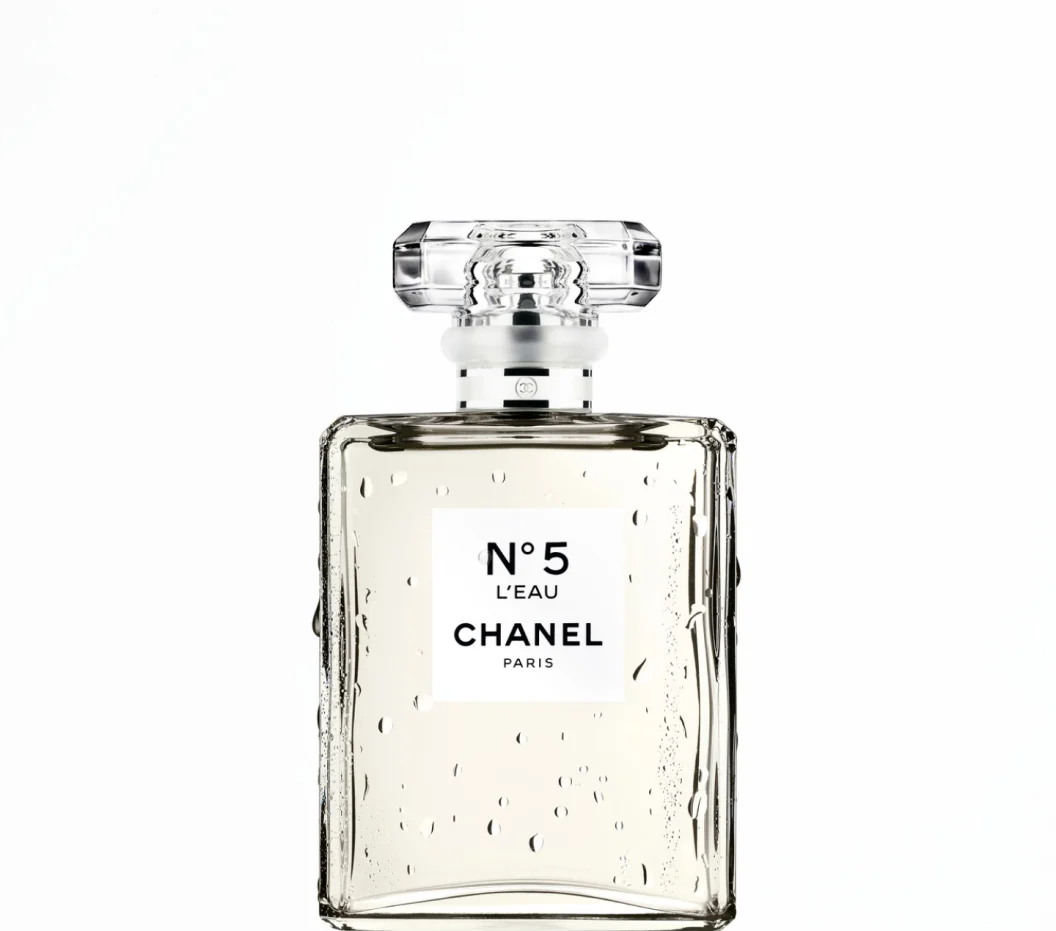
The truth is far more surprising. Today’s N°5 users are a mosaic of different generations and lifestyles. Among them, you’ll find classic minimalists who value timelessness above all else. There are also true haute parfumerie connoisseurs who see this fragrance as an art form. You’ll meet pragmatic professionals who simply know what works. And young women? They often opt for lighter versions like L’Eau or Hair Mist.
It’s interesting that the question of “who wears N°5” has become relevant again right now.
There is no longer just one type of woman who wears N°5. It is no longer only a symbol of high-society elegance. Today, people choose this fragrance for many different reasons. Some out of respect for tradition, others out of curiosity, and still others for practical reasons.
Actually, it’s fascinating how a single scent can mean so many different things to so many different women. But to understand this, you need to take a closer look at those who choose it.
Contemporary N°5 users – segments and motivations
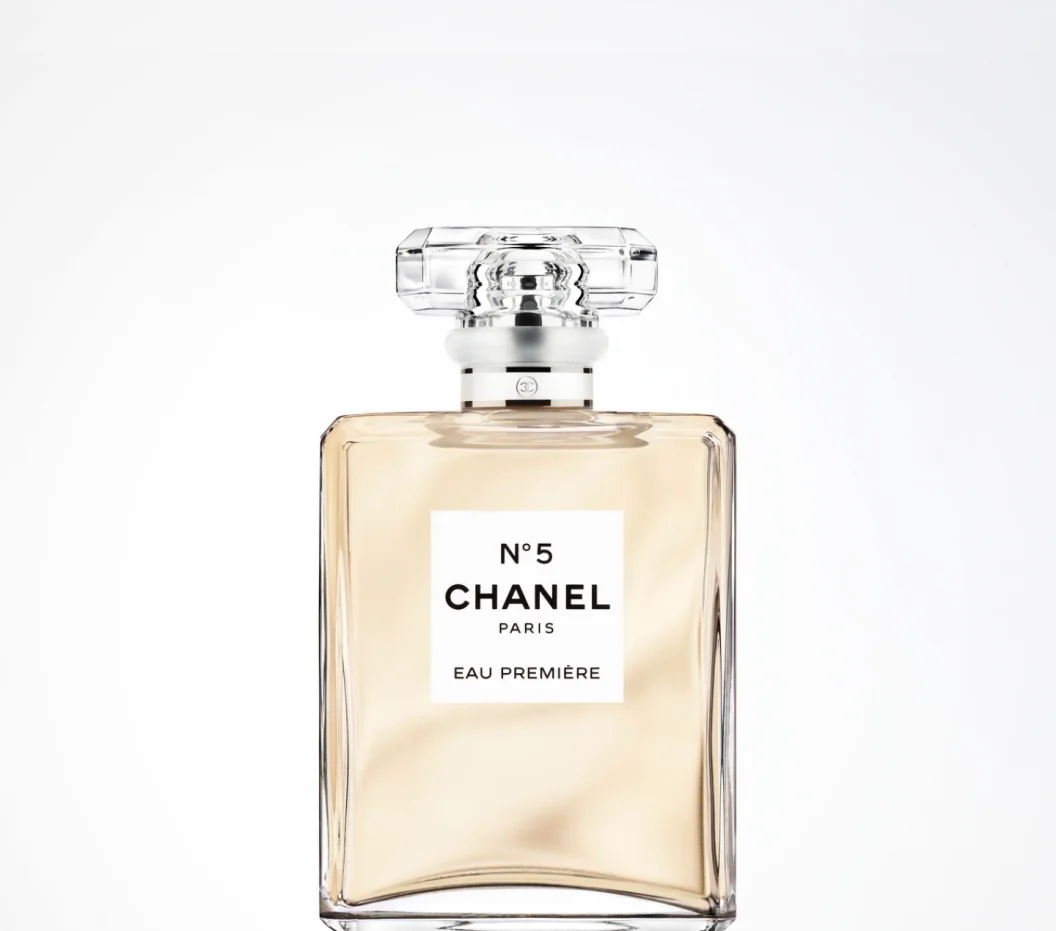
“Classic professional woman 35-55” buys N°5 as a signature of her professional status. She wears it to important meetings, premieres, and business dinners. She prefers Eau de Parfum—distinct enough to be remembered. She mainly shops at brick-and-mortar perfumeries, and the price of $120-180 for 100ml doesn’t faze her. For her, it’s an investment in her image.
“Heritage connoisseur 30-60” treats N°5 as a work of art. She uses it consciously, for special occasions—like the theater, a vernissage, or a wedding anniversary. She often reaches for pure parfum or limited editions. She owns several versions in her collection and enjoys comparing them. She follows auctions for vintage bottles, sometimes spending as much as 300-500 USD on rare pieces.
“Everyday Minimalist 25-40” needs something elegant yet understated. N°5 L’Eau is her pick—fresher, lighter, fitting her daily rhythm. She shops online, often choosing sets with hand cream. Her annual fragrance budget is around $80-120.
“Young fragrance enthusiast 18-30” begins her journey with N°5 through samples and mini versions. L’Eau or Hair Mist is her entry point. She uses it occasionally, for dates or parties. She mainly shops online, comparing prices. For her, $60-90 is already a purchase to consider carefully.
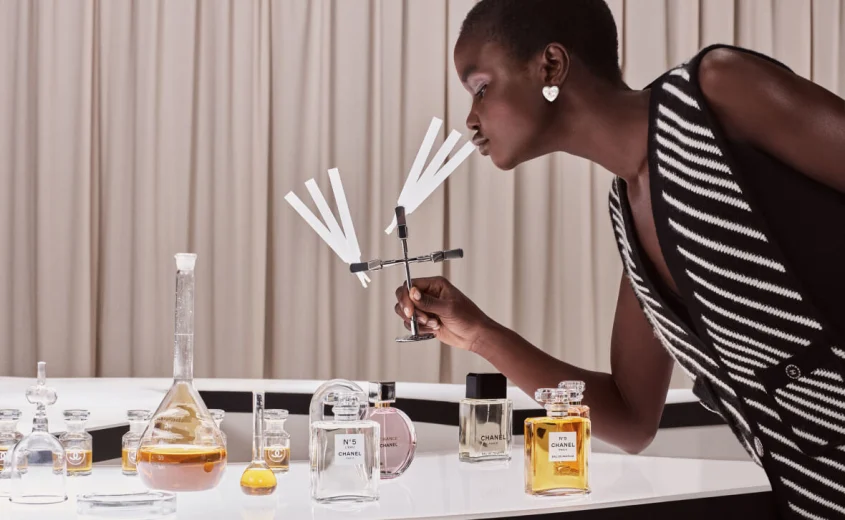
Regional differences are pronounced, even though the market is becoming more uniform. In Europe, there is still a strong attachment to classic concentrations—65% of women aged 40+ recognize N°5 and around 15% use it regularly. The US prefers more “accessible” versions—L’Eau sells twice as well there as in Europe. Asia is a world of its own, where the lightest variants, creams, and body mists reign supreme. Intense fragrances remain a niche category.
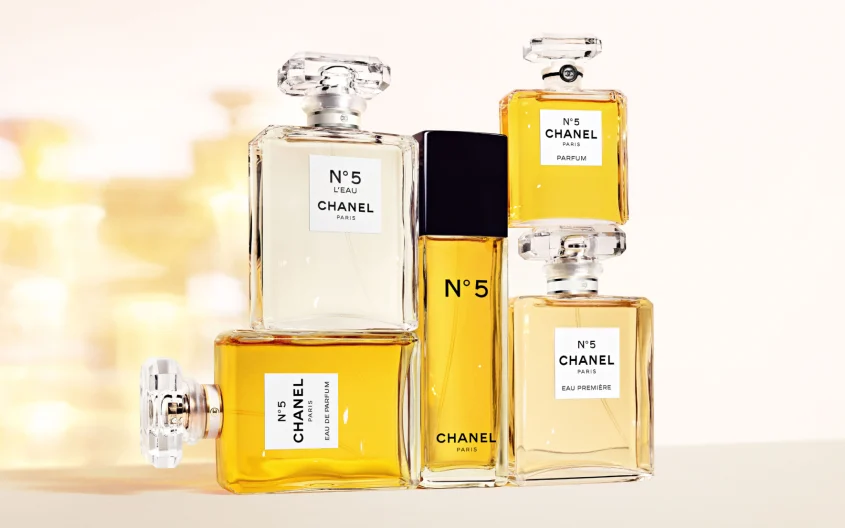
Online sales now account for 40% of the entire N°5 market, especially among those under 35. Surprisingly, hand creams and skincare products are bringing in more new users than the classic perfumes. Someone might start with a Hand Cream for $35, then buy L’Eau, and only later consider reaching for the “real” N°5.
This “gradual introduction” mechanism is actually a brilliant solution—it allows younger women to get accustomed to this fragrance without the shock of price or scent. And that brings us to the question of how the image of the ideal N°5 wearer has evolved in popular culture.
N°5 icons and the evolution of its wearer’s image
“What do you wear to bed?”—this question from a journalist in 1952 changed everything. Marilyn Monroe answered without hesitation: “A few drops of Chanel N°5.” That single statement moved the perfume from the aristocrat’s parlor straight into the bedroom of the American dreamer.
Actually, N°5 used to be something completely different. Gabrielle Chanel created it in 1921 for herself—a woman who was independent, yet still possessed that pre-war elegance. The first users were society ladies who wore pearls and had servants.
But Monroe changed everything. Suddenly, every woman could feel like a Hollywood star. It was the first true media breakthrough in the history of this fragrance.
Then came more icons, each bringing something unique:
- 1930-1940: Marlene Dietrich and Greta Garbo – mysterious European glamour, women who played by their own rules
- 1950: Marilyn Monroe – sexual revolution, the American dream in a bottle
- 2004: Nicole Kidman in Baz Luhrmann’s campaign – N°5 as a luxurious fantasy, but now more accessible
- 2012: Brad Pitt – the first man in the campaign, breaking stereotypes about “feminine” fragrances
- 2021: Marion Cotillard – a modern Frenchwoman, natural elegance without effort
Each of these figures shifted the image of the wearer in a different direction. Dietrich showed that N°5 could be worn by a woman of power. Monroe proved it could be sensual and democratic. Kidman spoke to the successful women of the early 21st century.
In the era of social media, everything has accelerated. N°5 campaigns now appear on Instagram alongside selfies of ordinary women. Limited editions, collaborations with artists, influencer posts—all of this blurs the line between icon and everyday life. Chanel no longer has complete control over who wears their fragrance and how.
And this is where the intriguing tension begins. Some women see N°5 as timeless elegance—something that will never go out of style. For them, it’s an investment in assured status, a signature of a woman who knows exactly what she wants.
But there are also those who have a problem with this legacy. They say “old-fashioned,” “grandmotherly,” “too heavy.” For them, N°5 is a symbol of rigid conventions, the opposite of the spontaneity and authenticity of the younger generation.
This polarization actually only reinforces the myth. Every discussion about whether N°5 is passé or timeless ultimately confirms its cultural significance. Neutral fragrances don’t evoke such strong emotions.
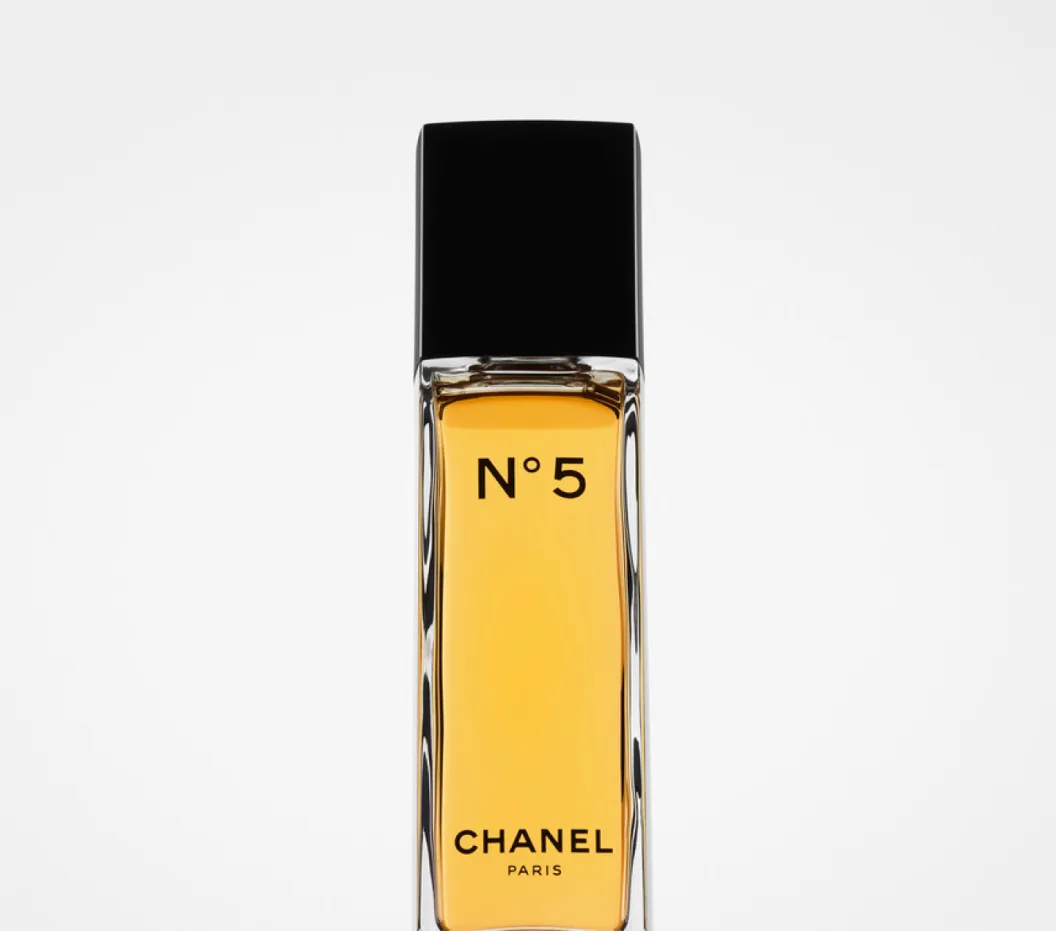
Today, the image of the N°5 woman is a mosaic of all these influences—a touch of Monroe, a hint of Kidman, a dash of Dietrich’s rebellion, and the modern confidence of Cotillard. By choosing a particular version of this fragrance, you’re really choosing which part of this story you want to become.
Nina MIU
editor Inspirations
High Class Fashion