
In 2023, Moncler surpassed 3 billion euros in revenue—not bad for a company that mainly sells down jackets. But these aren’t just ordinary jackets. We’re talking about something that, in the world of fashion and sports, has become its own category: luxury winter outerwear. And “luxury” means something entirely different today than it did 20 years ago.
Why has Moncler become a symbol of winter luxury?
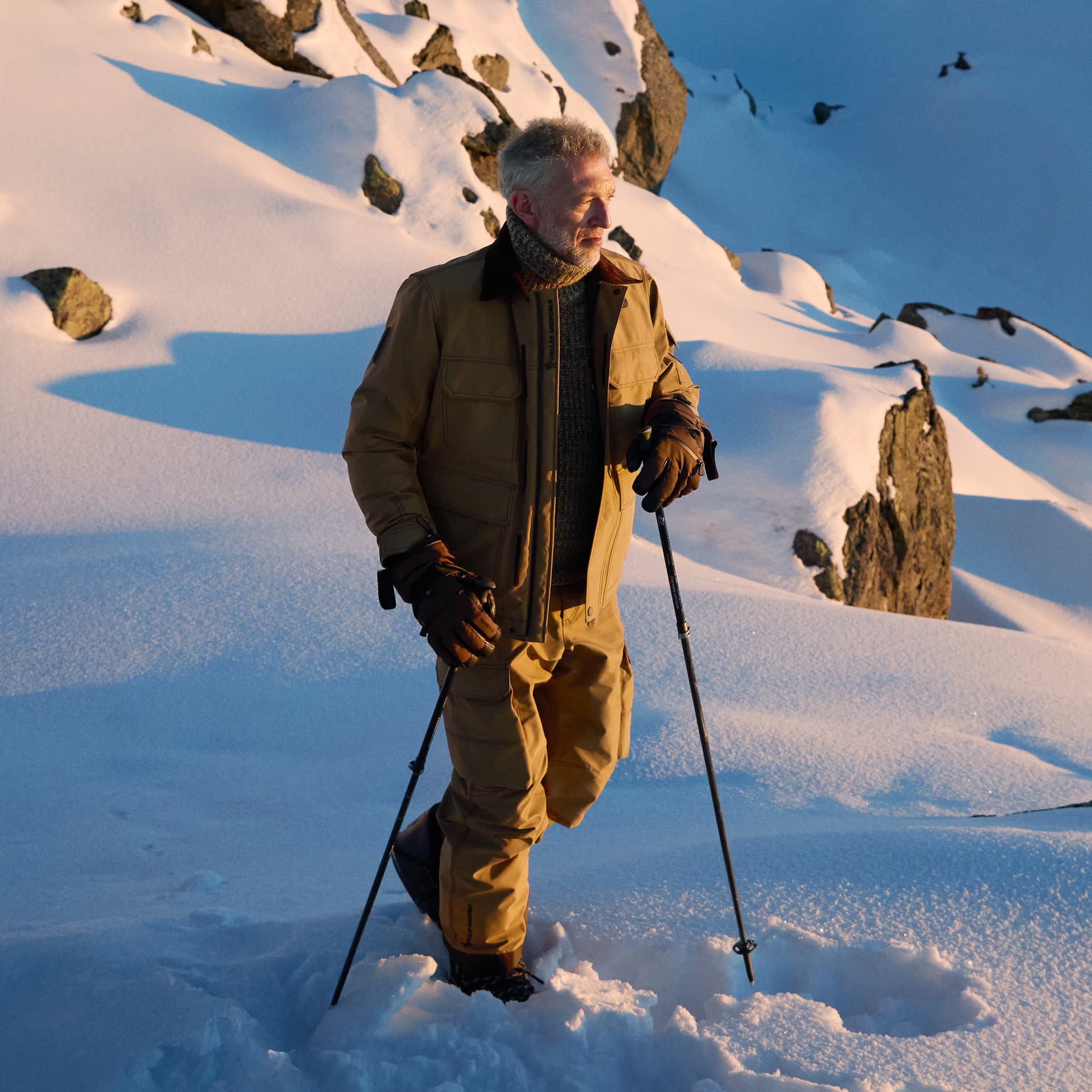
Once upon a time, winter luxury was heavy, formal, or extremely technical. Today? It’s all about a lightweight, warm down jacket that can handle -30°C, paired with a design so distinctive that everyone instantly knows what you’re wearing. And let’s be honest—social status comes with it too. Moncler brings it all together in a single jacket:
- Outdoor – premium goose down, membrane protection against snow and wind
- Sport – lightness, compression, complete freedom of movement on the slope
- Premium fashion – minimalist design, logo, a color that works just as well on Instagram as it does in the Alps
The same jacket performs just as well on the ski slopes of Chamonix as it does on a winter walk in Warsaw. And that’s exactly the point.
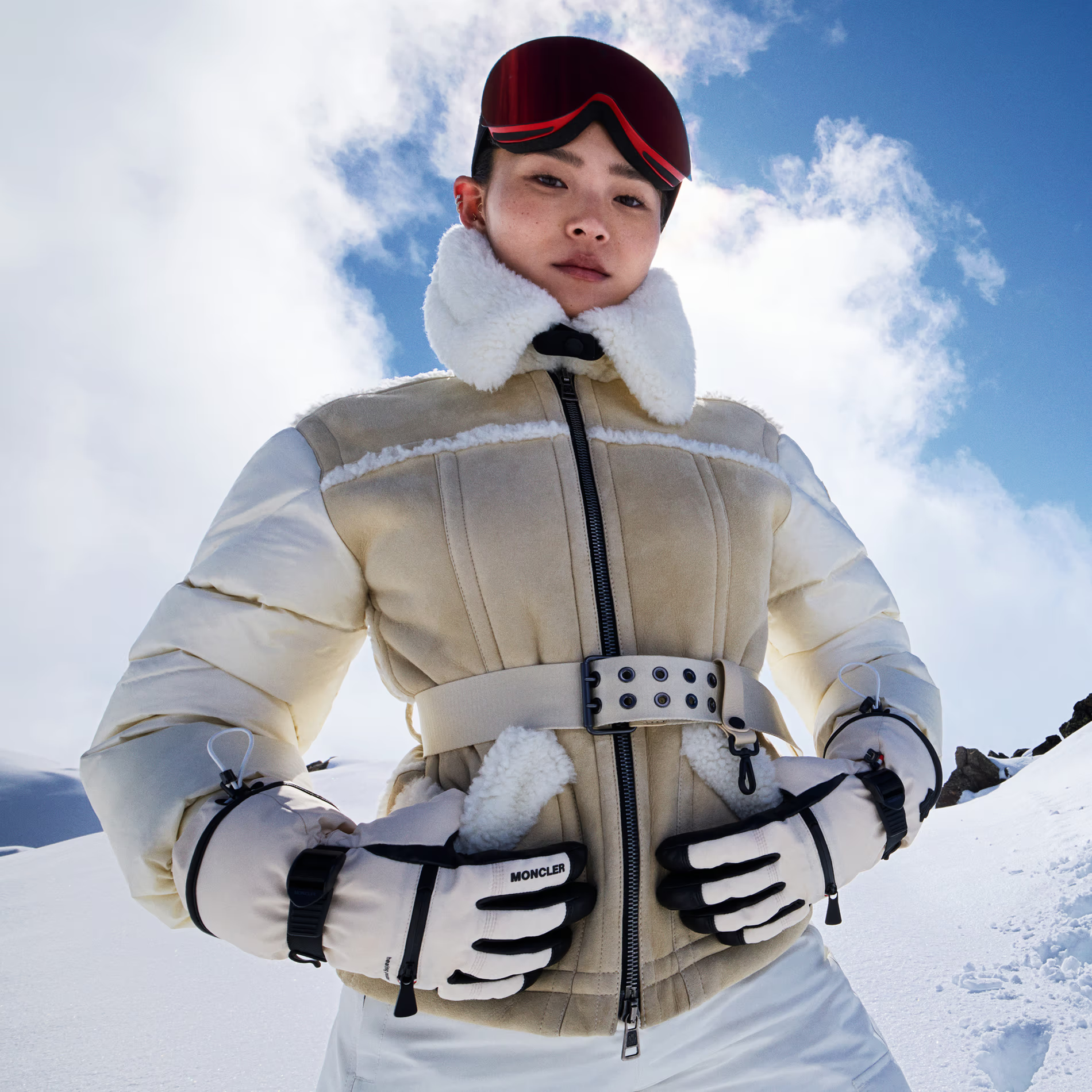
Why does it work right now? Because “quiet luxury” is on the rise and millennials have discovered the mountains. Functional luxury is no longer a contradiction—it’s simply desirable.
From K2 to the catwalks – the history and evolution of Moncler
In 1952, René Ramillon and André Vincent founded a small workshop in Monestier-de-Clermont, producing sleeping bags and tents for mountaineers. Two years later, their down jackets accompanied the Italian expedition to K2—and returned with a legend. That was when Moncler was born: an abbreviation of the town’s name at the foot of the Alps.
From Monestier-de-Clermont to Treviso
In 1968, production moved to Italy, to Treviso. The brand received a new boost: in 1972, the Maya model appeared—the first down jacket for children—marking its entry into the world of sports fashion. The 1980s brought success on the slopes: Moncler jackets were worn by the French national ski team, and the rooster-feather logo became synonymous with technical quality.
| Year | Event |
|---|---|
| 1952 | Founded in Monestier-de-Clermont |
| 1954 | Expedition to K2 |
| 1968 | Relocating production to Italy |
| 1972 | Maya model debut |
| 2003 | Takeover by Remo Ruffini |
| 2013 | IPO on the Milan Stock Exchange |
Ruffini’s takeover and the birth of mountain luxury
In 2003, Italian entrepreneur Remo Ruffini acquires the brand and transforms everything. The repositioning towards mountain luxury —luxury with a mountain DNA—begins with the first boutique in Milan (2005) and collaborations with haute couture. In 2013, Moncler goes public. Since 2018, spectacular shows in the Alps, Genius collections, partnerships with fashion houses—the brand moves beyond outdoor and becomes a lifestyle icon.
The technology and materials behind the Moncler jacket
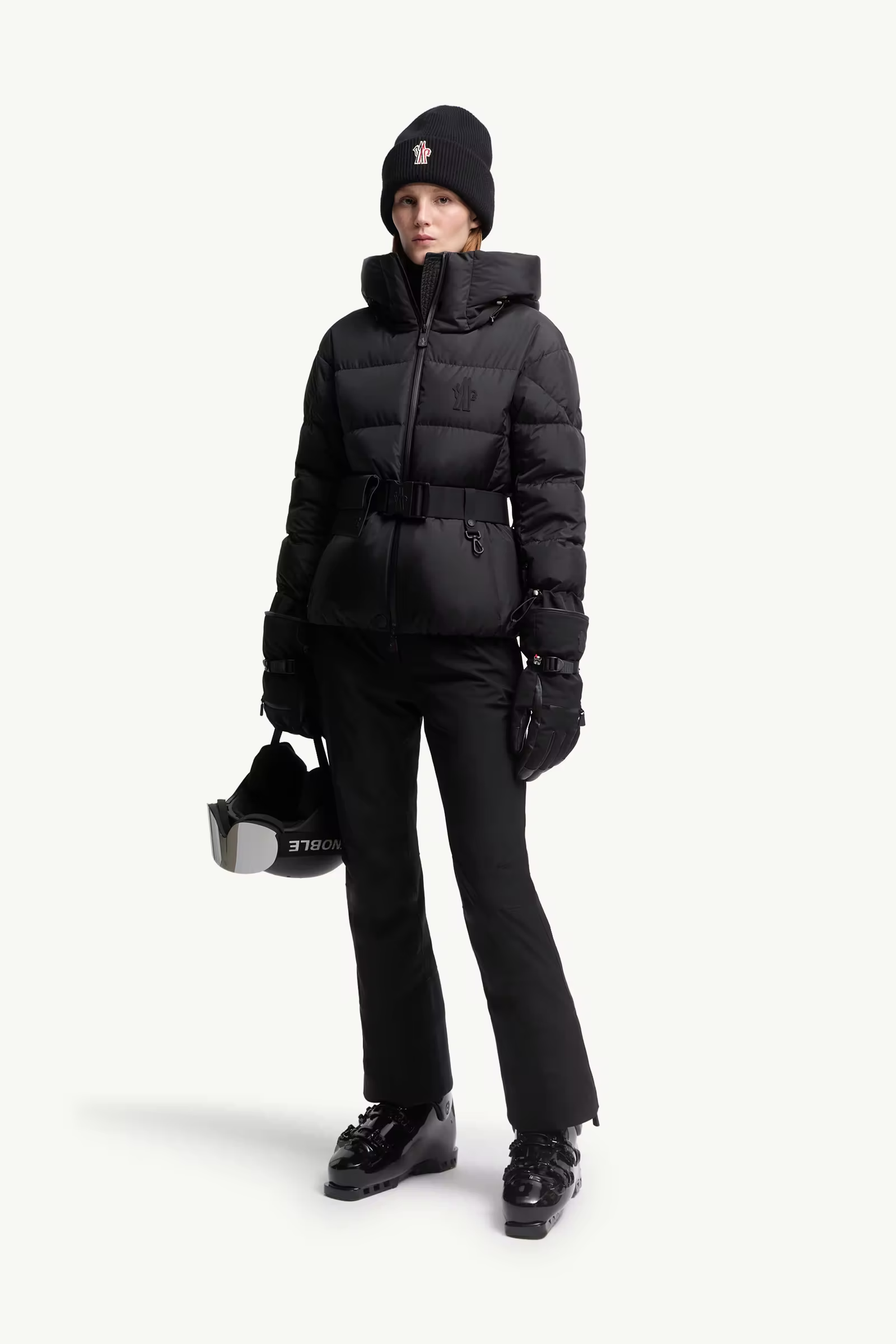
Down that keeps you warm while weighing less than half a kilo
The Moncler Maya jacket weighs about 450 grams. Less than a bottle of water. And it’s designed to protect you at -30°C. Sounds like science fiction, but it’s simply top-quality down—goose, with a 90/10 ratio (90% down, 10% feathers), and a fill power of around 800+. The higher the fill power, the more air the same gram of down traps. And it’s this trapped air that provides insulation.
In the cheapest jackets, you’ll often find 70/30 down and a fill power barely reaching 600. The difference? Heavier weight, less compressibility, and poorer warmth. Moncler relies on the highest quality natural down, but their urban collections also feature Piuma Zero—a synthetic alternative for those who prefer to avoid animal down or need extra wet-weather resistance.
Membranes and fabrics: from La Shrilla to GORE-TEX PRO ePE
The outer layer is La Shrilla nylon—a signature, slightly glossy fabric patented by the brand. Durable, lightweight, and somewhat water-repellent, but not fully waterproof without a membrane.
In the A/W 2025 collection, Moncler uses GORE-TEX PRO ePE: a PFC-free membrane that lets vapor escape (so you don’t get sweaty underneath) while blocking rain and wind. Additionally, 4F ClimaProtect technology regulates temperature during activity—whether you’re on the slopes or in the city.
A concrete example? Maya is a versatile model: comfort range from 0 to -30°C, detachable pockets, and a hood designed to fit over a helmet. The weight is negligible, the functionality is real. And it’s this combination of features that means you’re paying for more than just the logo.
Outdoor, sport, and premium fashion combined in one brand DNA
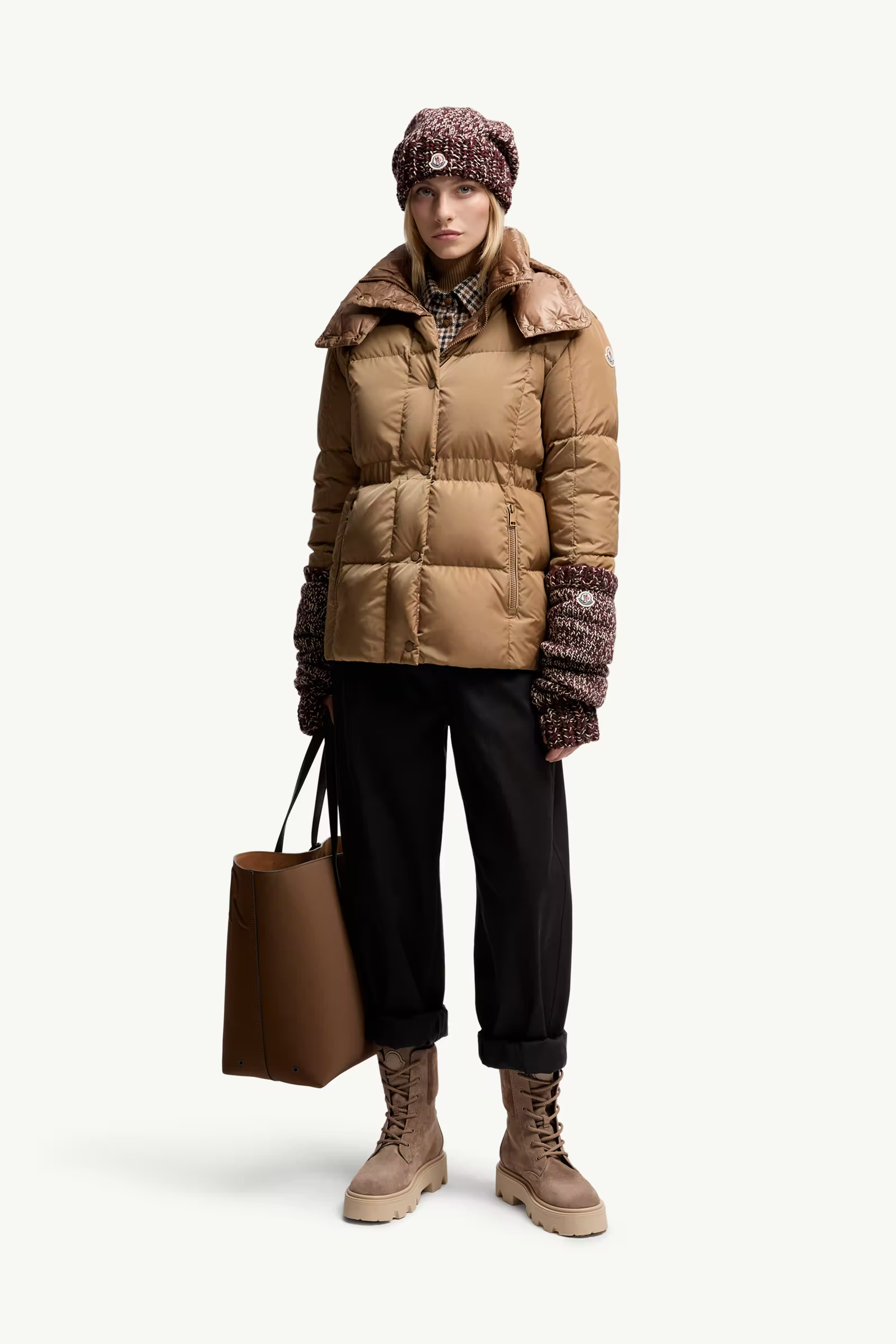
One jacket on the Alpine slopes, another on the streets of Milan—yet it’s the same model. And that was the whole point from the start: Moncler never had to choose between the mountains and the city, because it created a DNA where outdoor, sport, and premium fashion simply coexist.
From the Alpine slopes to the streets of Milan
Outdoor roots—high-altitude expeditions, French factory in Grenoble, the first jackets for mountaineers—this isn’t just a marketing story, but the very foundation of the brand. Even today, when most buyers will never set foot on a glacier, the jackets are designed for extreme conditions. At the same time, the cut has to work with jeans and sneakers on the streets of Milan or New York.
The sporty side? Still going strong. Moncler has been outfitting the Olympic ski teams of France and Italy for years, and the Moncler Grenoble line is all about performance first—the A/W 2025 collection proved that functionality doesn’t have to come at the expense of style. On the other hand: collaborations with haute couture designers (Giambattista Valli and Gamme Rouge), runway shows in the mountains, the Genius project bringing together a dozen creators—this is pure premium fashion.
And an interesting shift in recent seasons: quiet luxury. Fewer visible logos, more refined details, subtler colors—but you’ll still spot the signature quilting and red emblem from afar. Celebrities wear them, the streets imitate, and in major cities, these jackets are a natural part of the wardrobe.
Moncler’s business – market, customers, and competitors
Behind the iconic jacket with the logo on the sleeve stands a machine worth over 3 billion euros a year. Moncler is more than just a brand—it’s the benchmark for the entire luxury winterwear market, which in just a decade has transformed from a niche category into one of the fastest-growing segments in premium fashion.
The leader of the luxury down market in numbers
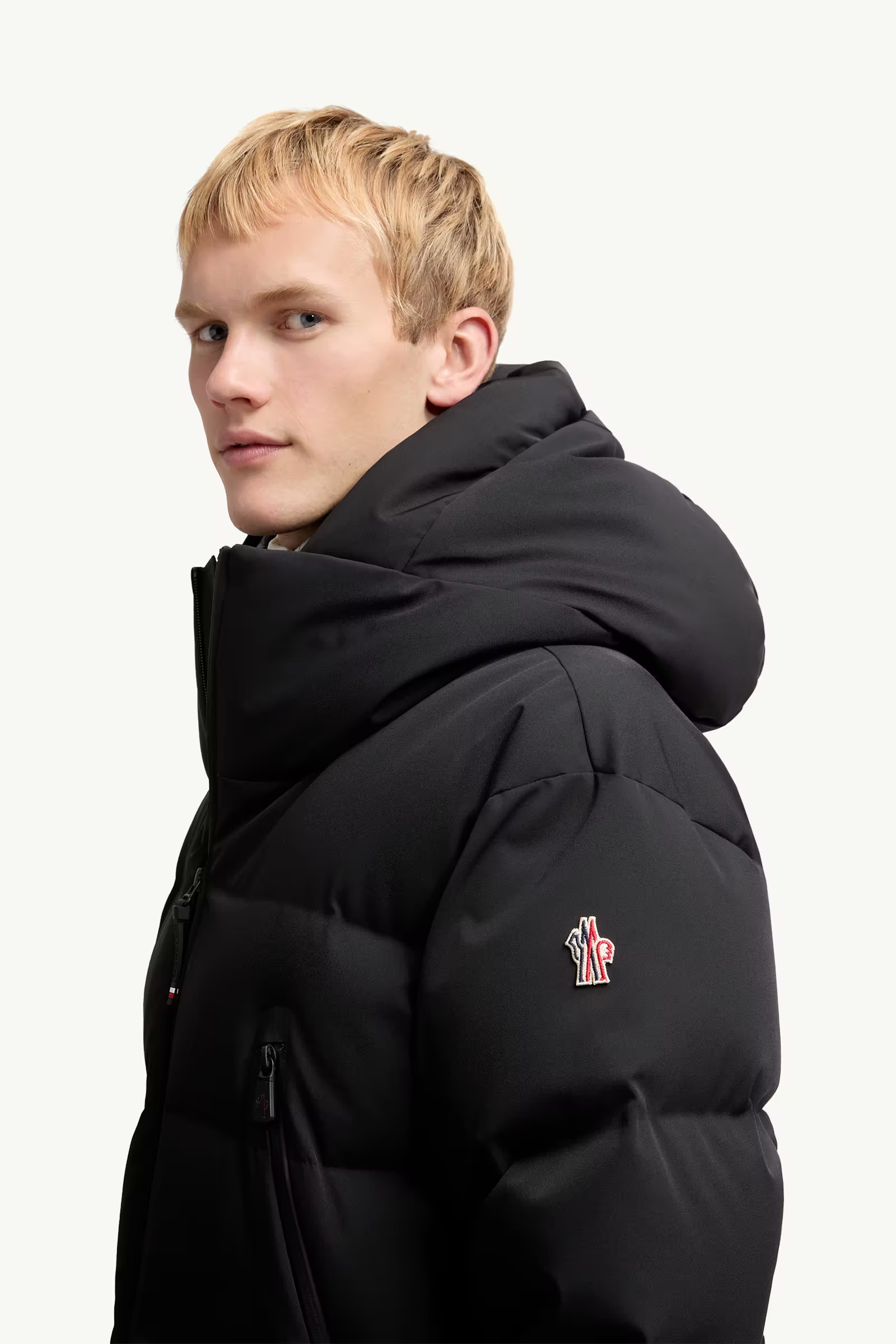
In 2024, Moncler’s revenues reached approximately 3.2 billion euros, marking a year-on-year increase of nearly 12%. The forecast for 2025 anticipates continued growth, with the EBITDA margin remaining steadily above 30% —a result rarely seen in the apparel industry. The brand currently controls about 20-25% of the global luxury down market, outpacing competitors in the jacket segment above 1,000 euros.
Geographically, sales are evenly distributed: Asia generates around 40% of turnover (with China as a key market), Europe about 35%, and the USA and the rest of the world 25%. Moncler operates over 250 own boutiques worldwide, but e-commerce is growing the fastest—the online channel now accounts for 18-20% of sales, and the monclergroupcom website records over 30 million visits annually. The brand is also testing its presence in the metaverse (in collaboration with Decentraland) and has sold limited NFTs, though these channels remain more of a branding experiment than a revenue source.
Competitors and new challenges in the global market
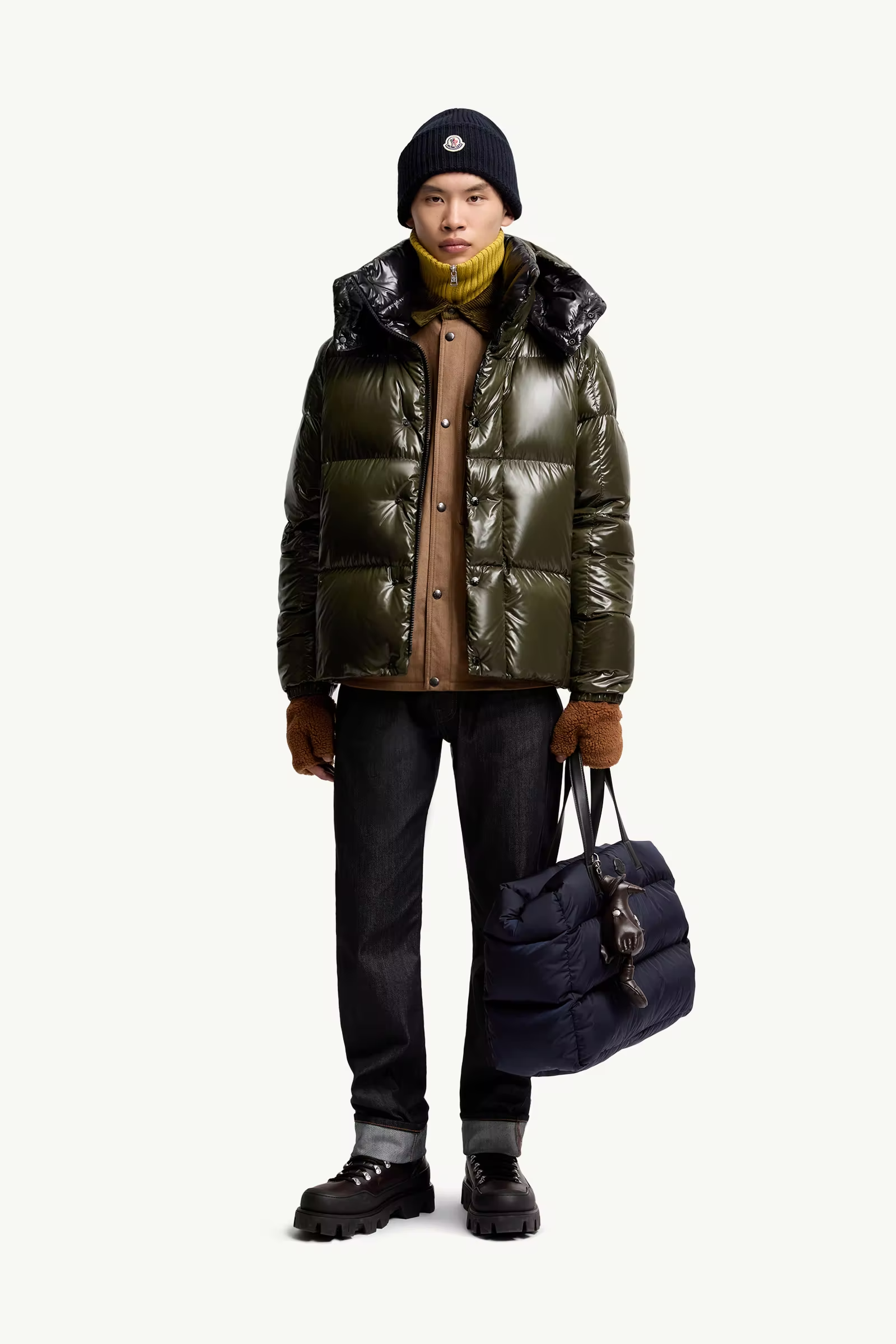
On the global market, Moncler faces several major competitors:
- Canada Goose – the main competitor in the outdoor-luxury segment, particularly strong in the US and Canada; competes on price (USD 700–1500) and a functional brand image.
- Patagonia – a premium brand with a strong focus on eco-friendliness and responsibility; although more affordable, it attracts millennials who value ethics.
- The North Face (VF Corp) – mass appeal plus quality; the Supreme × TNF segment targets the same urban outdoor enthusiasts as Moncler.
- Bosideng – the Chinese giant now entering Europe with aggressive pricing (400–800 euros) and local production; Moncler is responding by accelerating material innovation and designer collaborations.
The “quiet luxury” trend is driving demand for expensive yet discreetly branded jackets—and this is where Moncler truly excels. At the same time, the growing popularity of outdoor activities among millennials and Gen Z means that a functional jacket costing €1,500 is no longer seen as extravagant, but rather as an investment in a lifestyle. The question is: how long can Moncler maintain this edge as more players flood the market—and how can it balance luxury with increasing pressure for responsibility?
The price of luxury – ethics, ecology, and brand challenges
A Moncler jacket costing several thousand zlotys is a status symbol, but it’s impossible to ignore the price of such luxury. PETA has long criticized the brand for its use of goose down—in 2019, the organization published a report from farms supplying raw materials to the fashion industry, exposing the harsh living conditions of the birds. Moncler responded by switching to the RDS certificate (Responsible Down Standard), which guarantees that the down comes from animals not subjected to live plucking. But does this fully reassure the customer?
Carbon footprint and recycling – what is the brand really doing?
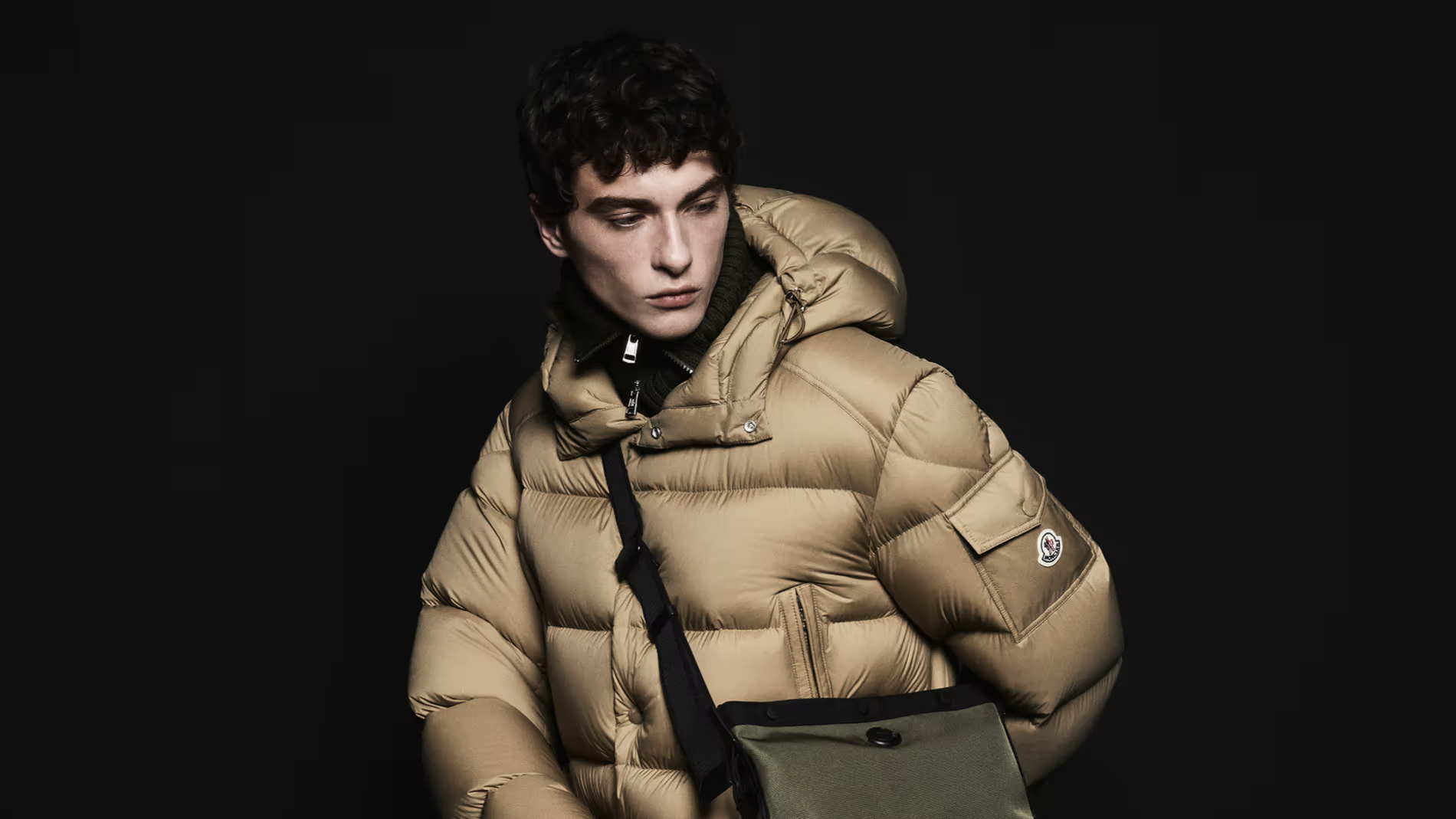
Spectacular shows in the Dolomites, global logistics, production in Eastern Europe and Asia—all of this generates a massive carbon footprint. Moncler has pledged to reduce CO₂ emissions by 25% by 2025 and to increase the use of recycled materials. In practice:
- gradual introduction of fabrics made from PET-derived polyester,
- collaboration with GORE on PFAS-free membranes (new ePE line),
- supplier audits for environmental standards,
- offset emissions from transport and shows.
Sounds promising, but the brand’s transparency still raises questions—there are no publicly available, detailed ESG reports.
On the other hand, there’s a plague of counterfeits: every year, hundreds of thousands of fake Moncler jackets are confiscated, mostly from auction platforms and Chinese stores. For the customer, this means not only lower quality but also a complete lack of ethical standards—the down in a counterfeit may come from uncertified farms, and production takes place without any oversight.
Today, a conscious customer should ask about three things: the RDS certificate on the label, a specific environmental footprint (not just marketing slogans), and authenticity—verification of originality through the brand’s official channel.
The future of winter luxury with Moncler
Moncler is already setting the standard in winter luxury—and all signs point to this position only strengthening in the coming years. The company forecasts a 30–40% revenue increase by 2030, plans to expand into new markets (Indonesia, India), and its collections will feature more and more eco-friendly materials: ePE, recycled down, biodegradable membranes. But what does this mean for us, the customers?
What will a luxury jacket look like in 2030?
The future means not just greater prestige, but above all, advanced technology. We can expect jackets to become even lighter (under 200 g with full thermal protection), featuring smart fibers that respond to body temperature. The growing popularity of quiet luxury means logos will disappear—discreet cuts and quality craftsmanship will take center stage. And “phygital luxury”? NFT certificates of authenticity, AR fittings, and digital product twins in the metaverse are already being tested. It sounds futuristic, but this is already a reality today.
How to invest wisely in winter luxury today?
If you’re planning to make a purchase, keep a few things in mind:
- Technical specifications – minimum 700 CUIN down, waterproof rating 10k+, breathable membrane
- Certificates – RDS (Responsible Down Standard), bluesign, Oeko-Tex
- Timeless style – avoid excessive trends, opt for classic cuts
- After-sales service – does the brand offer repairs, cleaning, or restoration?
Winter luxury of the future is not just about prestige. It’s about comfort, safety, and responsibility for the planet – and your choices truly shape the direction of the entire industry.
MIKI
fashion & trends editorial team
High Class Fashion