
Why do successful women invest in premium fashion? It might sound pretentious, but there’s something important behind this question. Especially when you look at the numbers—according to a 2024 Bain & Company report, women make up as much as 60% of all luxury goods customers. Sixty percent. That’s no coincidence.
Picture this: Anna Kowalczyk, CEO of a Warsaw-based fintech company, stands in front of her wardrobe mirror at 6:30 a.m. In two hours, she has a crucial board meeting where she’ll present the strategy for the coming year. She reaches for her Chanel blazer—the one she bought six months ago for eight thousand zlotys. She knows it’s more than just clothing. It’s the confidence she’ll carry into the conference room.
Why Successful Women Invest in Premium Fashion – Luxury Heels Leading the Trends
The year 2024 has revealed something interesting. The Polish luxury goods market grew by 24.6% year-on-year. That’s a huge leap, and it tells us one thing – investing in premium fashion is no longer just a whim. It’s become a strategy.
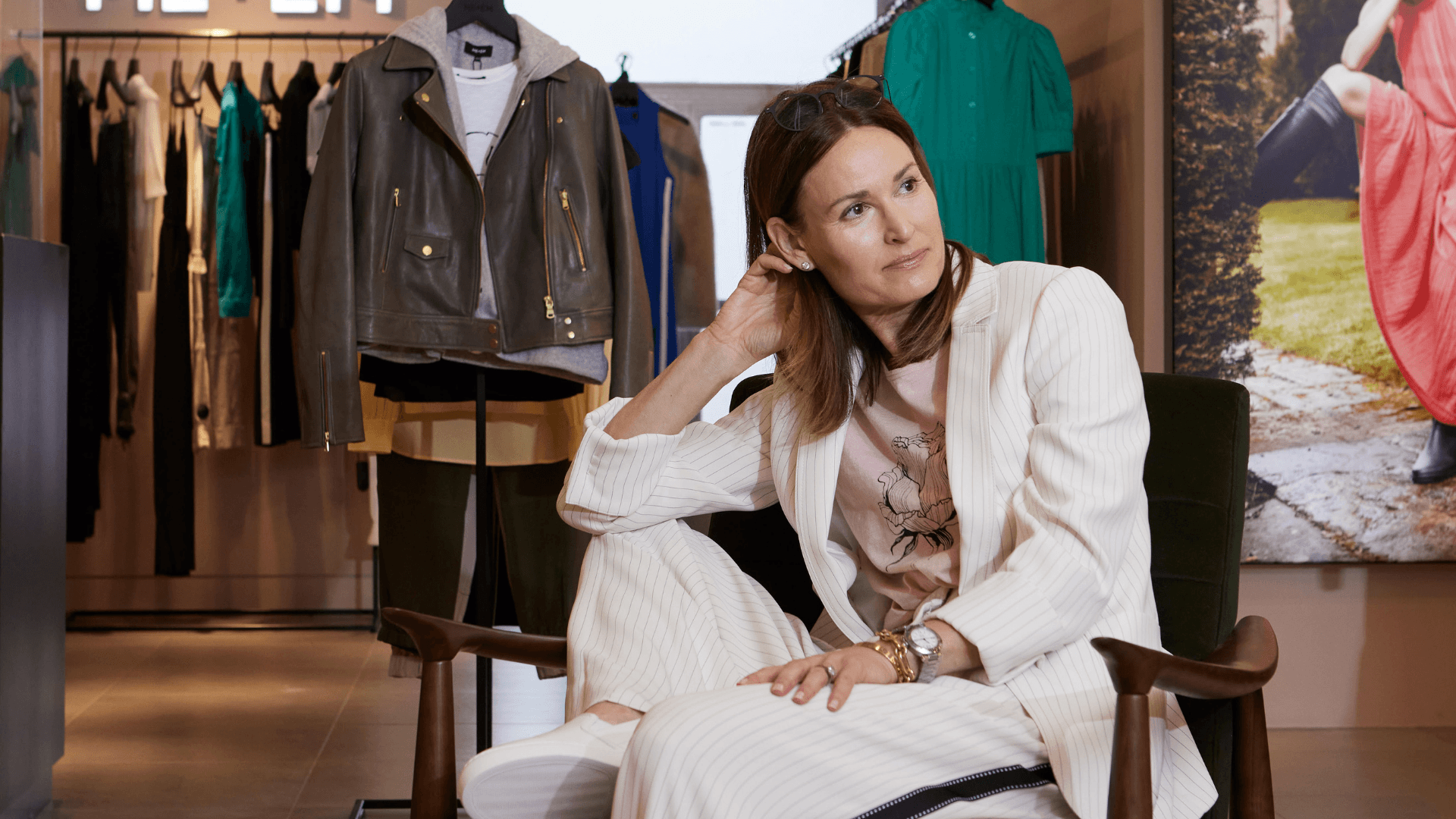
I myself have noticed this shift among my entrepreneur friends. They don’t buy expensive things just for the sake of luxury. They buy them because they know that in business, every detail matters. Or maybe they’ve simply understood something that we men still don’t quite get?
To understand this, it’s worth looking at three key aspects:
– The history of premium fashion and how women’s approach to investing in their wardrobe has changed
– Finances – do expensive items really pay off in business
– Image as a tool for building professional standing
Let’s start at the beginning. With how the perception of women’s investments in fashion has evolved, and why today it’s no longer just a matter of style.
From haute couture to e-commerce – the evolution of women’s luxury
I still remember my grandmother telling me about her dreams of elegant dresses from Parisian salons. Back then, luxury meant something completely different than it does today.
In the 19th century, haute couture was true art—Worth and Poiret designed for aristocrats and wealthy bourgeois women. Women wore corsets, long gowns, everything was highly formalized. But that was also when they began to invest in fashion as a way to express their status.
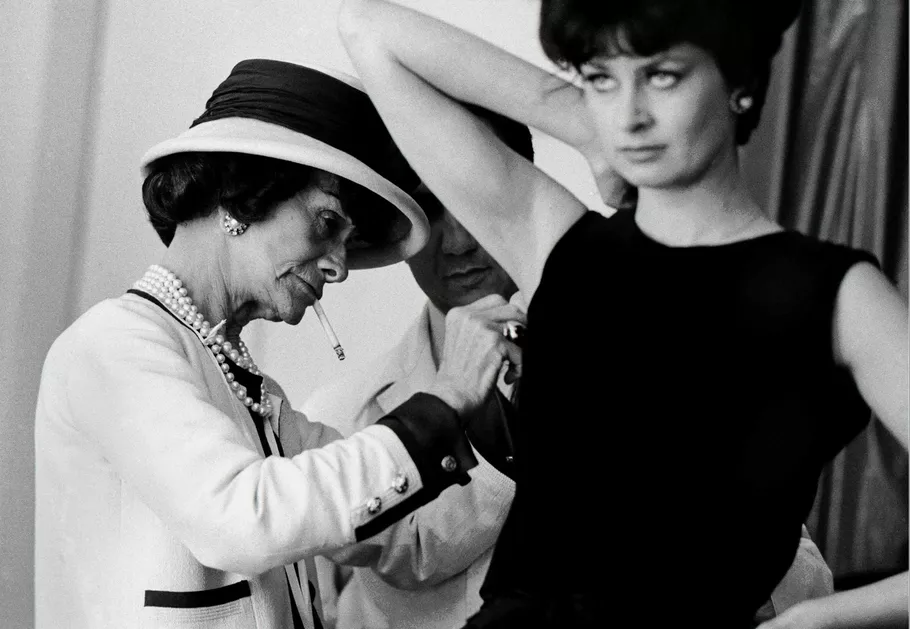
The real revolution came in the 1920s. Coco Chanel introduced the “little black dress”—a simple, elegant dress that gave women freedom of movement. That was the moment when fashion stopped restricting and started to liberate. I remember photos of my great-grandmother from those years—she looked like a completely different woman than her mother.
| Year | Key event |
|---|---|
| 1920 | Coco Chanel – the “little black dress” and liberation from corsets |
| 1980-1990 | Power dressing – YSL suits as a symbol of power |
| 2010 | E-commerce boom – Net-a-Porter is transforming the shopping experience |
| 2020-2021 | Pandemic – the shift to “comfort luxury” |
| 2024 | Polish market – record luxury growth according to KPMG |
The 80s were a whole different story. That was when women started taking on leadership roles, and fashion reflected it. Suits from Yves Saint Laurent became a symbol of power. I remember movies from that era—all the female leads wore those broad shoulders and looked ready to conquer the world.
But the real change came with the internet. In 2010, Net-a-Porter proved that you could buy luxury online. Suddenly, you didn’t have to fly to Paris or Milan. All you needed was a laptop and a credit card.
The pandemic turned everything upside down. In 2020-2021, everyone started talking about “comfort luxury”—expensive yet comfortable clothes for working from home. Cashmere tracksuits costing thousands became the new definition of luxury.
In 2024, KPMG released data on the Polish market—there’s been a record surge in investment in luxury fashion. It shows just how much women’s attitudes toward spending on themselves have changed.
From corsets to smartphone apps—it’s been a long journey. But it’s always been about the same thing: expressing ourselves through what we wear.
Premium fashion in your wallet – profitability and data analysis
I’ve always wondered if those expensive handbags are actually a good investment. Turns out, the numbers speak for themselves.
Hermès handbags Birkin saw an average annual increase of 14% between 2004 and 2024. That might sound abstract, so let’s compare it to something more familiar.
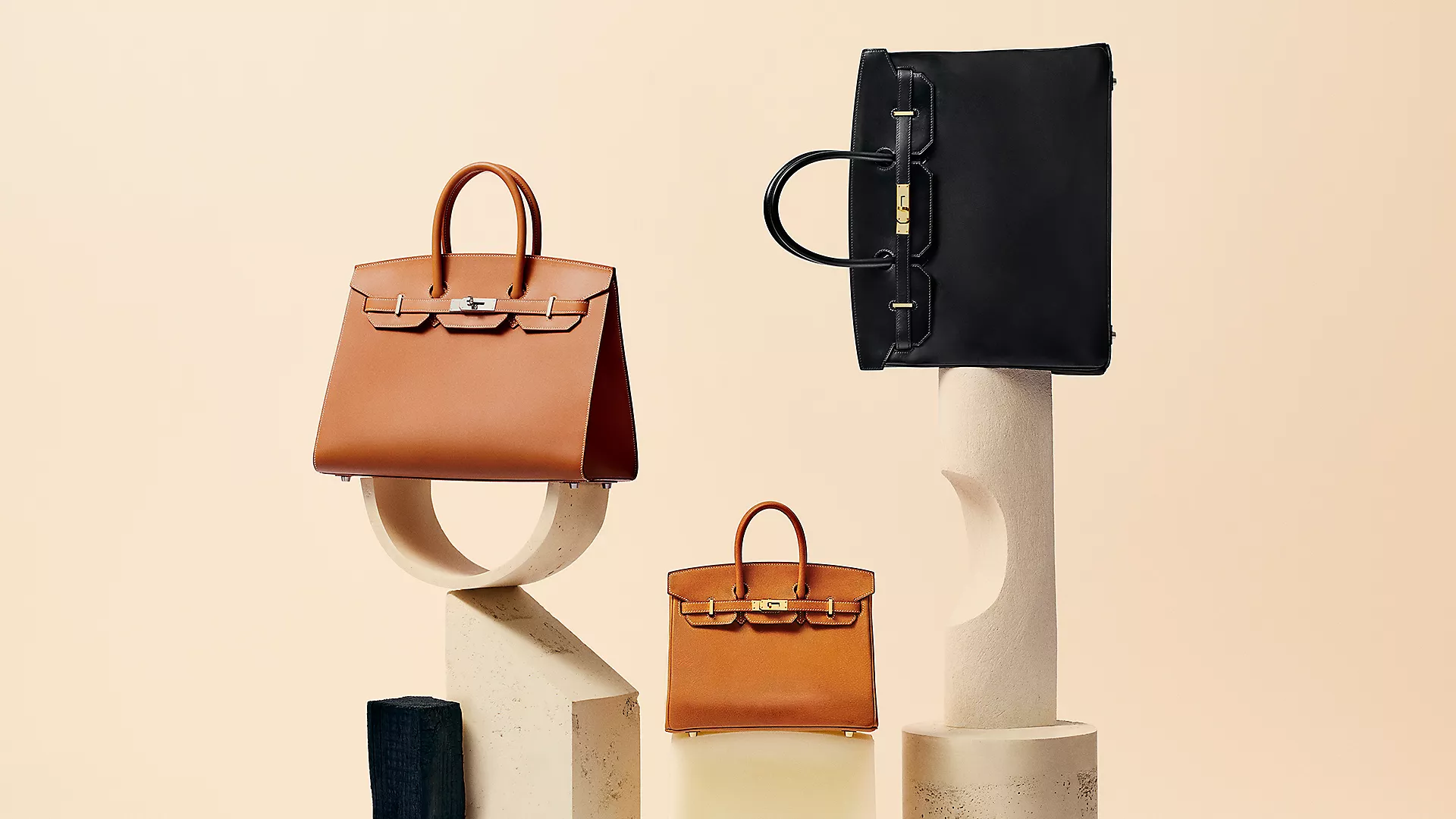
Gold grew by about 8% annually over the same period, WIG20 barely 6%, and the S&P 500 around 10%. Birkin came out on top. And by quite a margin.
The global luxury fashion market reached $1.7 trillion in 2023. Forecasts predict annual growth of 5-7% through 2030. These numbers may seem dry, but there’s something interesting behind them. People are buying more and more expensive items, even during crises.
The real revolution, however, is happening in the secondary market.
Sales of pre-owned luxury goods are growing three times faster than sales of new ones. By 2025, this market is expected to be worth $350 billion. That’s a huge amount of money.
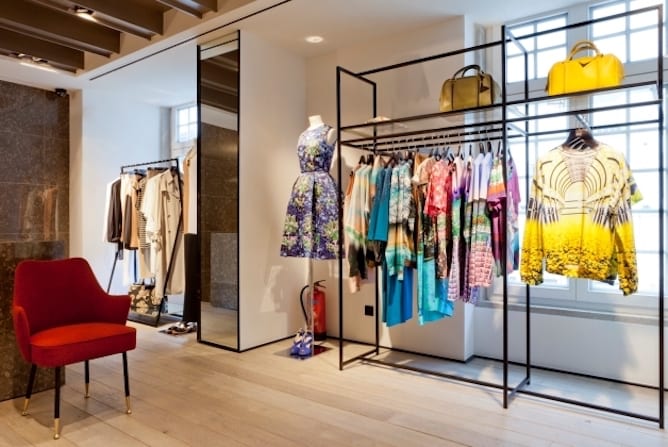
I know several Poles who made quite a bit of money from this through Vestiaire Collective. One friend would buy limited edition sneakers for 800 PLN and sell them a few months later for 2000. Another acquaintance hunted for vintage Chanel and made a 50-100% profit margin. Not every deal was successful, but overall, they came out ahead.
The strategy is simple:
- Shop items in excellent condition or brand new
- Choose iconic styles that never go out of fashion
- Wait patiently for the right buyer
I won’t deny that this requires initial capital and considerable knowledge of fashion. Plus a bit of luck. But the data shows it’s possible to make money this way.
Of course, money is only one side of the coin. These expensive items offer something more than just financial profit.
Wardrobe as a megaphone of power – image, networking, gender
“When I walk into the Warsaw Tech Summit in an 8,000-zloty suit, people immediately know I’m someone important,” a fintech executive once told me. And honestly? She’s right.
A. Fashion as a currency of prestige
70% of women in managerial positions believe that premium fashion has given them an edge in their careers – Harvard Business Review 2023
This data didn’t come out of nowhere. I’ve personally noticed how differently I’m treated in meetings when I’m wearing an expensive blazer versus something from a high street store. It may sound superficial, but that’s how business works.
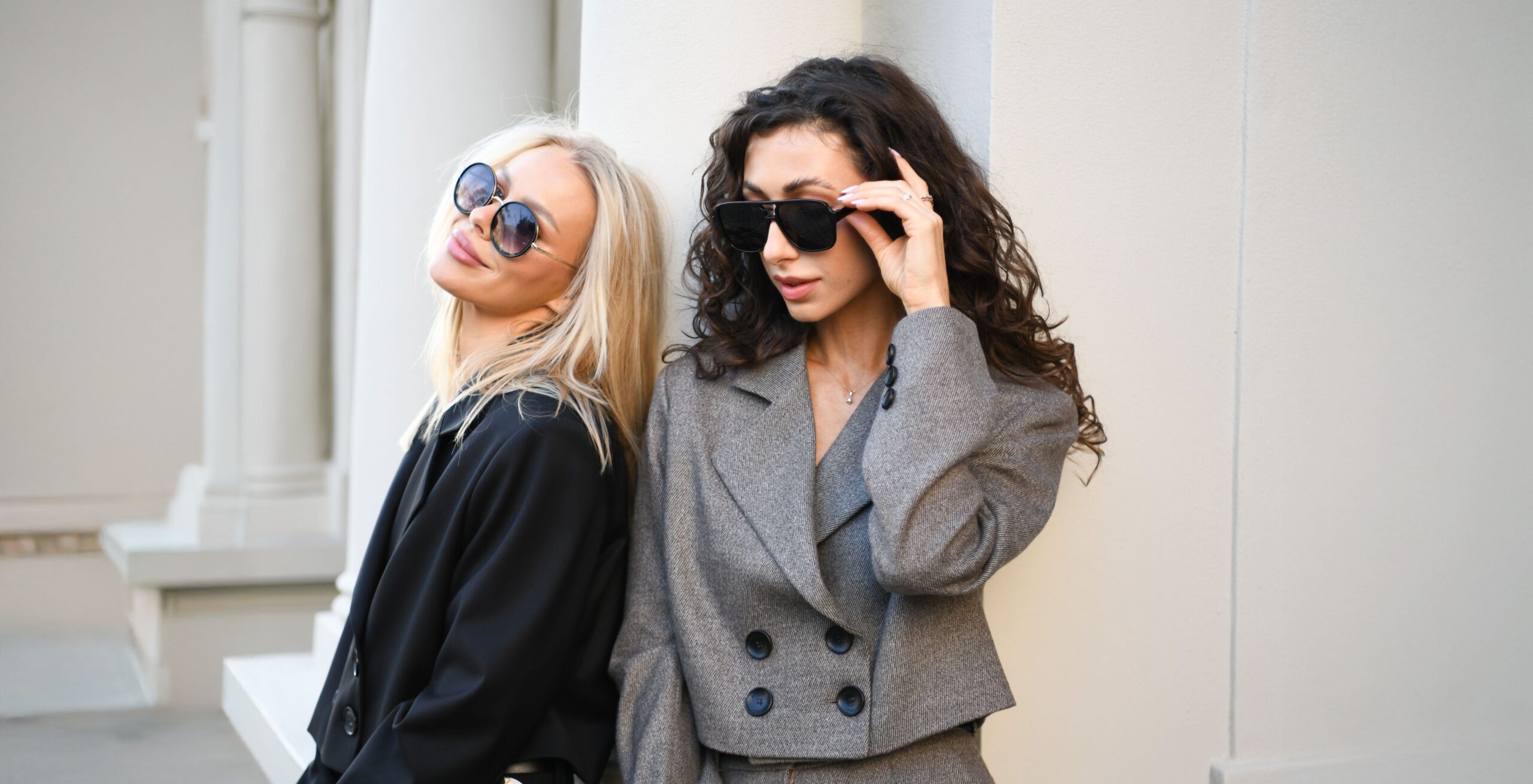
In 2022, Harvard calculated something interesting too—the “beauty premium” increases women’s earnings by 10-15%. So taking care of your appearance isn’t just a whim, it’s an investment. Although… sometimes I wonder if it’s fair that men don’t face this issue to the same extent.
B. Strategic Signaling at the Top
At Davos or at our local events like the Warsaw Tech Summit, I observe a fascinating game. Women in Armani suits are instantly admitted to the “inner circle.” That’s no coincidence—it’s a deliberate strategy.
I saw a CEO of a Polish tech company intentionally wear a burgundy Chanel blazer for a panel on AI. She told me afterward, “I wanted them to remember my words, not just that I’m a woman in a man’s world.” Smart move.
C. Criticism and Reality
Of course, not everyone buys into this. I often hear: “That’s elitism! What about women who can’t afford it?” And they have a point. A system where success depends on whether you can spend someone’s monthly salary on clothes is absurd.
But on the other hand—I didn’t make these rules. I can either complain or use them to my advantage. I choose the latter, though sometimes I feel uncomfortable with how much appearances matter.
At the end of the day, your wardrobe is a tool. You can ignore it and make life harder for yourself, or you can learn how to use it. I chose the second option.
A step into the future – how to invest in style consciously
Lately, I’ve been thinking about my wardrobe as if it were an investment portfolio. It sounds strange, but why should it? After all, some of the things I bought five years ago are worth more today than they were back then.
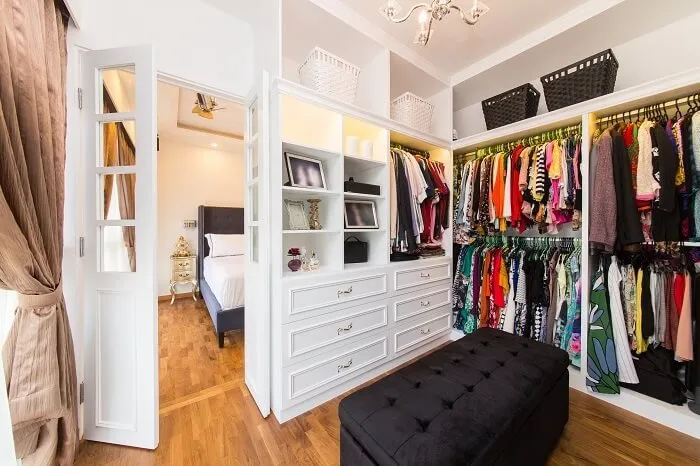
When it comes to mindful investing in style, I’ve drawn three key conclusions. First—premium fashion evolves, but timeless classics always make a powerful comeback. Second—the return on investment isn’t just about money, but also about how others perceive you. And third—the right image opens doors you never even knew existed.
5 steps to mindful style investment:
- Divide your budget according to the 70-20-10 rule – the majority for wardrobe essentials, 20% for statement pieces, 10% for experiments
- Learn how to verify authenticity – counterfeits are a waste of time and money
- Plan your sales in advance – the best time is 6-12 months before the season
- Check the sustainability of brands – it’s no longer a trend, it’s a necessity
- Consider digital assets – NFTs in fashion are still the wild west, but they’re worth keeping an eye on
Actually, the point about NFTs might sound a bit futuristic, but looking at the numbers… The secondary market is expected to grow to $350 billion in the coming years. Artificial intelligence will personalize our shopping experiences better than we can ourselves. The entire premium sector is projected to grow by 5-7% annually until 2030.
“Investing in style is investing in yourself – every conscious shopping decision is a step toward a better version of yourself.”
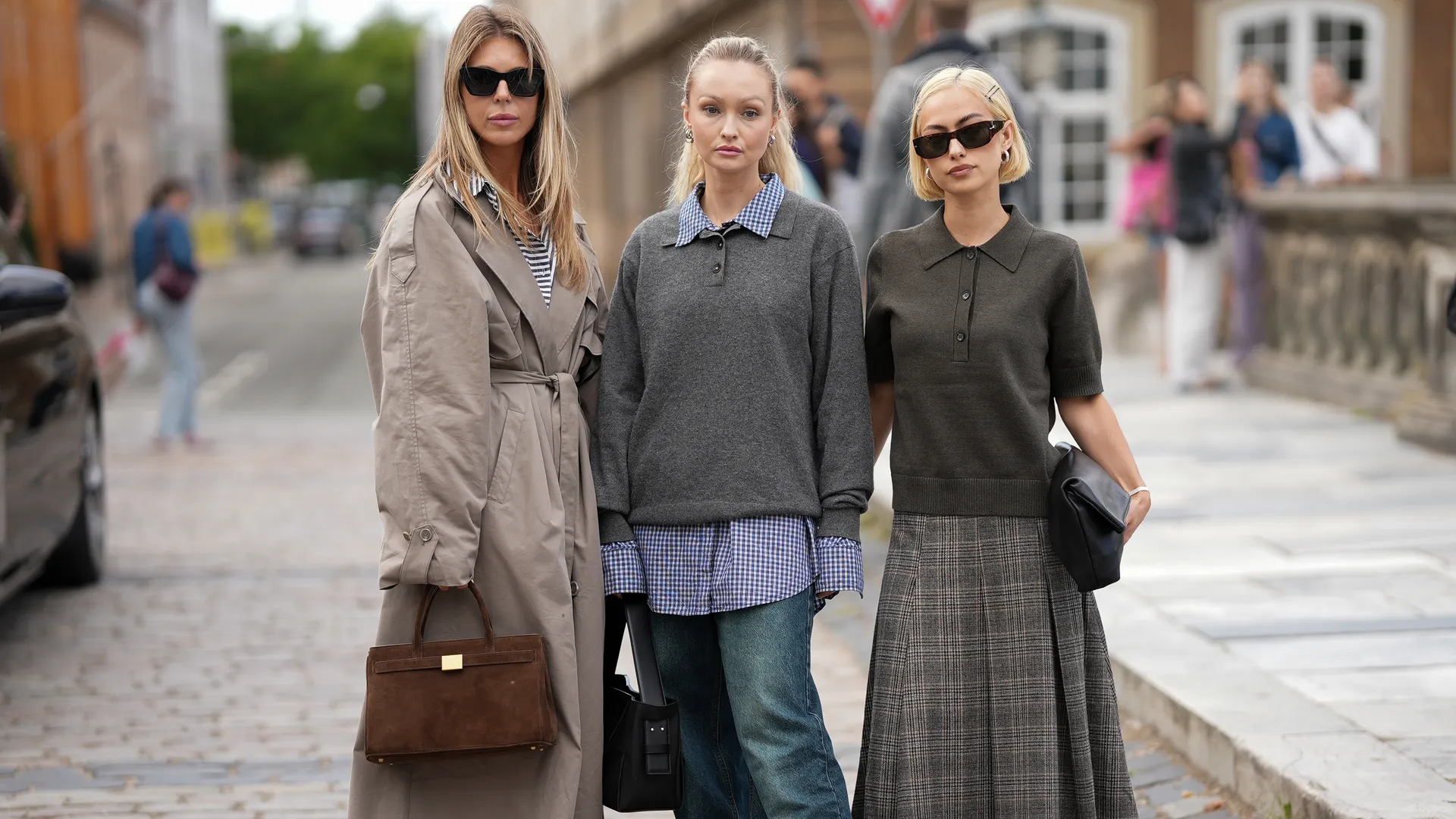
You know what? Maybe it all sounds theoretical, but I’ve already started. Recently, I bought a classic coat instead of three cheap jackets. The price difference? Minimal. The difference in quality and how I feel? Huge.
Your wardrobe isn’t just clothes. It’s an investment that works in your favor every single day.
Liss
fashion & lifestyle editor
High Class Fashion