
Face of an era – who is Cara Delevingne today?
Forty-four million followers on Instagram, two British Fashion Awards for “Model of the Year,” and a surname that most people still mispronounce ( correct: KAH-ruh DEL-uh-VEEN). Cara Delevingne is a 33-year-old from London who started out as a model with bushy eyebrows in a world of over-plucked arches, and then… well, she just never stopped evolving.
In 2026, she returns to the spotlight for several reasons:
- New roles in larger productions and ambassadorship for L’Oréal (Women of Worth program)
- Openly about sobriety and mental health after years of ups and downs
- Distance from social media (publishes less often, lives more)
Delevingne is now more than just an “it girl” from the runway. She combines glamour with sensitivity, queer activism with blockbusters, honesty about depression with beauty campaigns. And it’s precisely this tension between sparkle and authenticity that keeps her story so captivating. She’s not perfect. Maybe that’s exactly why it works.
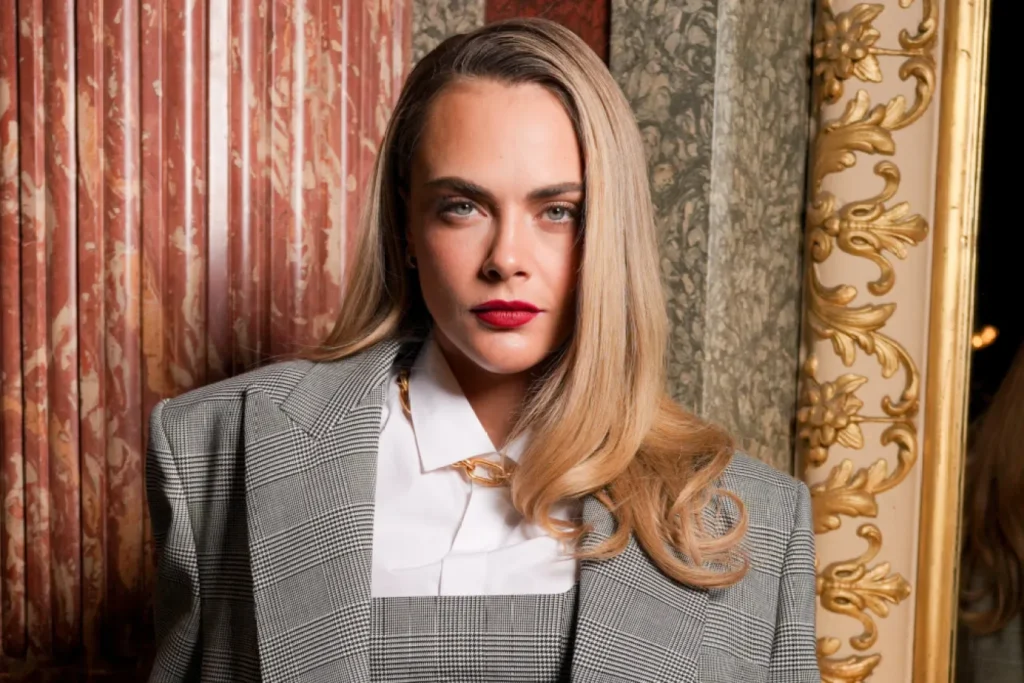
From Aristocracy to the Era of “Insta-models”
The 90s went down in fashion history as the era of “heroin chic,” stiff photo shoots, and names known only to editors. A decade later came the revolution: Instagram, Twitter, and models who suddenly spoke with their own voices. Cara Delevingne, born in 1992 in London to a family with aristocratic roots, fit perfectly into this breakthrough moment. Bedales School, early diagnoses (dyspraxia, ADHD, depression), and her first shoots (Vogue Italia with Bruce Weber at age 10, later a Cadbury commercial) sounded like mere trivia. That was until 2011, when the Storm agency and the Burberry show changed everything.
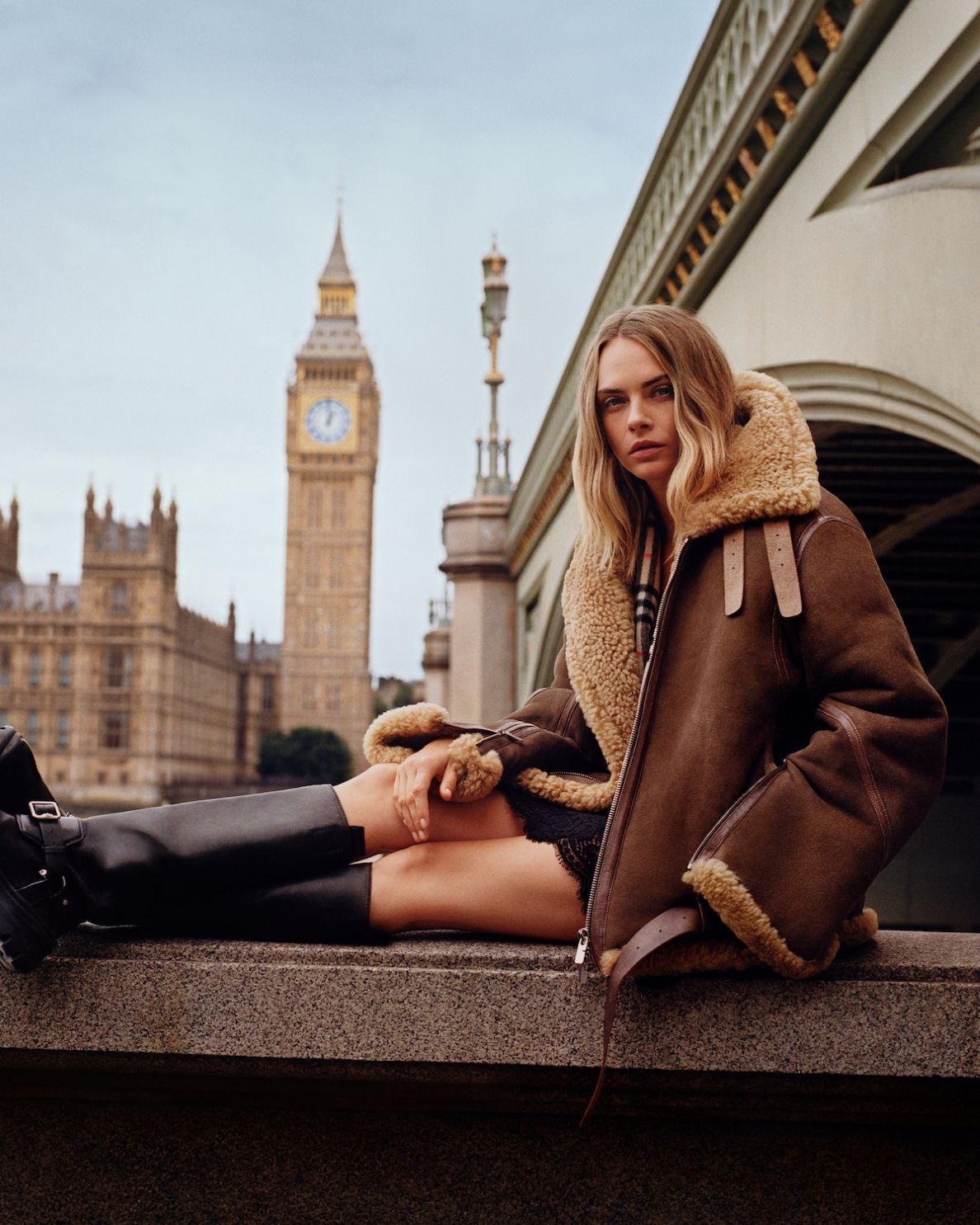
Beginnings and the explosion of popularity
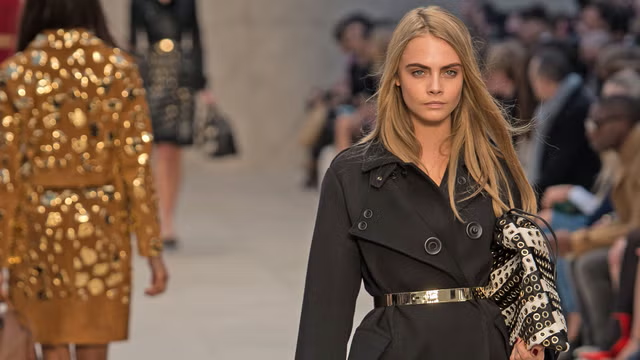
Within two years, Delevingne was collecting awards: British Fashion Awards “Model of the Year” in 2012 and again in 2014. Karl Lagerfeld called her the muse of Chanel, and the runways of Dior, Fendi, Saint Laurent, and Victoria’s Secret became her everyday reality. Three key brands:
- Burberry (turn of 2011)
- Chanel (Lagerfeld’s muse)
- Puma and Rimmel London (global contracts)
| Year | Event | Meaning |
|---|---|---|
| 2009 | Leaving Bedales, signing with Storm | Career start |
| 2011 | Burberry show | Breakthrough |
| 2012 | Model of the Year | Runway peak |
| 2015 | Paper Towns, Variety: “a real discovery” | New path |
| 2017 | Mirror Mirror (book) | Beyond fashion |
From the runway to the cinema
Burnout in 2015 and industry pressure pushed her toward the screen. Anna Karenina (2012) was her debut, and Paper Towns received positive reviews. Enchantress in Suicide Squad (2016) and Valerian (2017) confirmed: she wants more than just the lens. The book Mirror Mirror closed that chapter. Social media allowed her to build a “personality,” not just a face. And that’s exactly what opened the door to further changes.
Current chapter
Since the end of 2022, Delevingne has undergone a 12-step therapy program. It was a turning point. In her cover interview for “Vogue” (2023), she spoke openly about getting sober and how her approach to mental health has changed. She also limited her activity on Instagram, which would have been unthinkable before.
What exactly has changed?
- June 2024 – second anniversary of the relationship with Minke; the couple rarely appears in public, but that changed at the GLAAD Awards 2026 (shared red carpet appearance).
- January 2026 – premiere of “Wuthering Heights” (a project supported by Margot Robbie); “Club Kid” also announced.
- February 2026 – new hairstyle, brunette with bangs (Coachella, Grammy afterparty), which immediately set the media abuzz.
- L’Oréal – ambassador of the Women of Worth campaign since 2026.
- Finance – purchase of a house in Beverly Hills for $14 million after the fire in Los Angeles (2024); fortune estimated at $50–60 million.
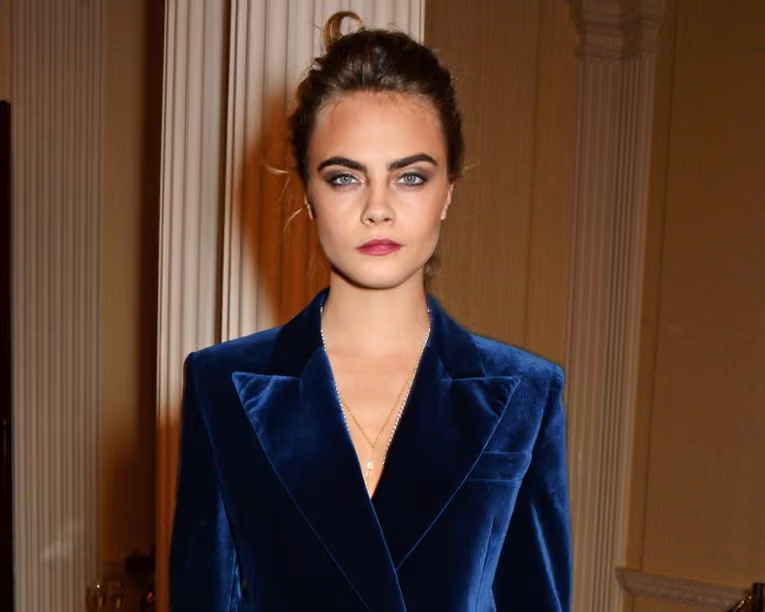
Influence, business, and activism
Della Vite, prosecco produced together with sisters Poppy and Chloe, is one of her more personal projects. She also invests in eco-tech and startups related to mental health.
“Empowering new chapter” – that’s how Vogue summed up her comeback.
She is the co-founder of EcoResolution and supports GLAAD, Save the Children, The Trevor Project and Royal Marsden Cancer Charity. LGBTQ+ media call her a “queer icon “, although some forums also mention nepotism and average acting skills. As usual, opinions are divided, but the impact? Lasting.
What remains – an icon with a human face
Cara has journeyed from the runway to the screen and into open conversations about depression and addiction. She wasn’t afraid to show that even those at the peak of their careers face inner demons. This authenticity, combined with visible queer representation in mainstream pop culture, has made her more than just a celebrity. She has become a point of reference for young people seeking role models who don’t pretend to be perfect.
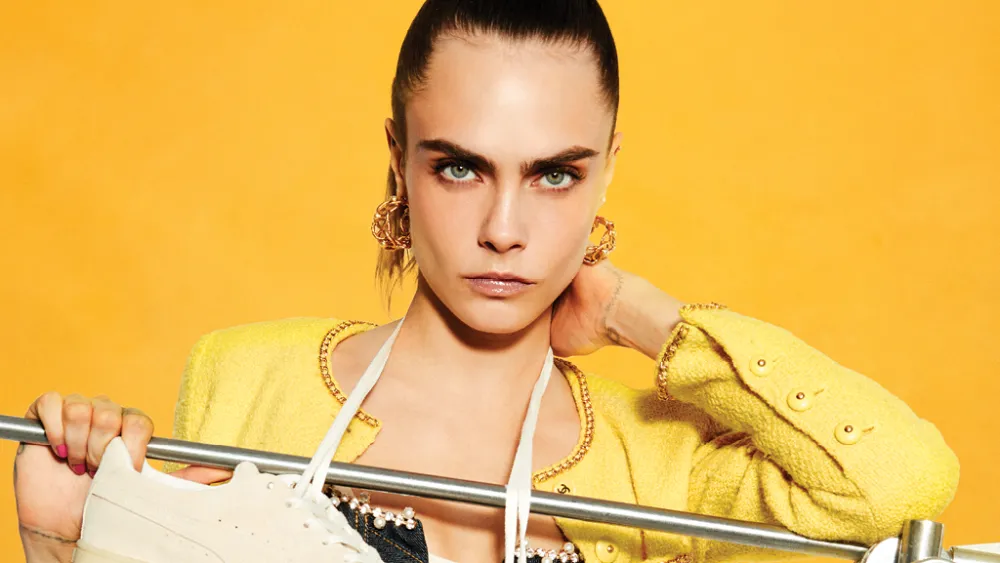
Does her career in fashion look different today? Certainly. But the impact she has had on how we talk about mental health and identity in the entertainment industry remains. It is this human side behind the iconic name that ensures Cara Delevingne will stay relevant, no matter which cover she appears on.
Marii
lifestyle & people editorial team
High Class Fashion