
Over 80% of Japanese women prioritize hydration in their skincare routine, while globally it’s just 60%. This obsession with moisture in the skin explains why Japanese creams have quickly gained fans all over the world. The J-Beauty market in skincare alone has already surpassed 40 billion dollars, and we, consumers outside Japan, are beginning to understand why.
The best Japanese face creams, or Mochi-hada in a jar
The “skin first” philosophy sounds simple: lightweight layers of products that truly work. Instead of a single heavy cream, we have formulas that support the skin’s protective barrier and care for the microbiome, preventing dryness before it even appears. Mochi-hada, meaning supple, delicate skin reminiscent of a rice cake, isn’t just a marketing slogan—it’s the result you feel after a few weeks of use.
Interestingly, Japanese drugstores ( Matsumoto Kiyoshi, Ainz & Tulpe) are true treasure troves of beauty gems, and Cosme.net rankings reveal what Japanese women are really buying—without sugarcoating or sponsored reviews. In this article, we present five brands that dominated these lists in 2026, plus practical tips on how to buy them in Poland without overpaying.
How J‑Beauty Works: Hydration, Barrier, and Minimalism
In Japanese >skincare</a >, cream is the final step that “seals in” everything you’ve applied before: essences, serums, ampoules. But it’s not about a heavy, greasy layer. Japanese formulas are lightweight, often gel-like or cream-serum hybrids, because the skin has already been hydrated and the cream’s role is simply to lock that moisture in.
Ingredients that strengthen the barrier and provide hydration
What you’ll find in the INCI of most J-Beauty creams:
- Multi-type hyaluronic acid (macro, micro, nano) – each molecule size works at a different depth, which is why you experience truly deep hydration.
- Ceramides – rebuild the lipid barrier, which is often damaged by Western formulas containing alcohol and fragrances.
- Niacinamide – evens out skin tone, supports the barrier, non-irritating.
- Ferments (such as Pitera or rice extract) – support the skin’s microbiome and balance, and have a regenerating effect.
Most creams have a pH close to that of the skin (4.5–5.5) and are free from fragrance or alcohol. That’s why they work even on dry and sensitive skin.
Trends 2026: prebiotics and hybrids
This year, Japanese brands are putting even more emphasis on prebiotics that support the skin’s microbiome and bio-ferments with a long tradition (sake, rice). There are also hybrids: cream-serums that hydrate like a serum but “seal in” moisture like a cream. The texture is light, the effect is deep, and that’s exactly why it’s worth taking a closer look at the specific brands that do it best.
Top 5 brands: proven creams and who they are best for
Ranking Cosme, sales in drugstores, and user reviews have pointed to the same names for years. Not without reason.
| Brand and flagship cream | Why in the top 5 / for whom |
|---|---|
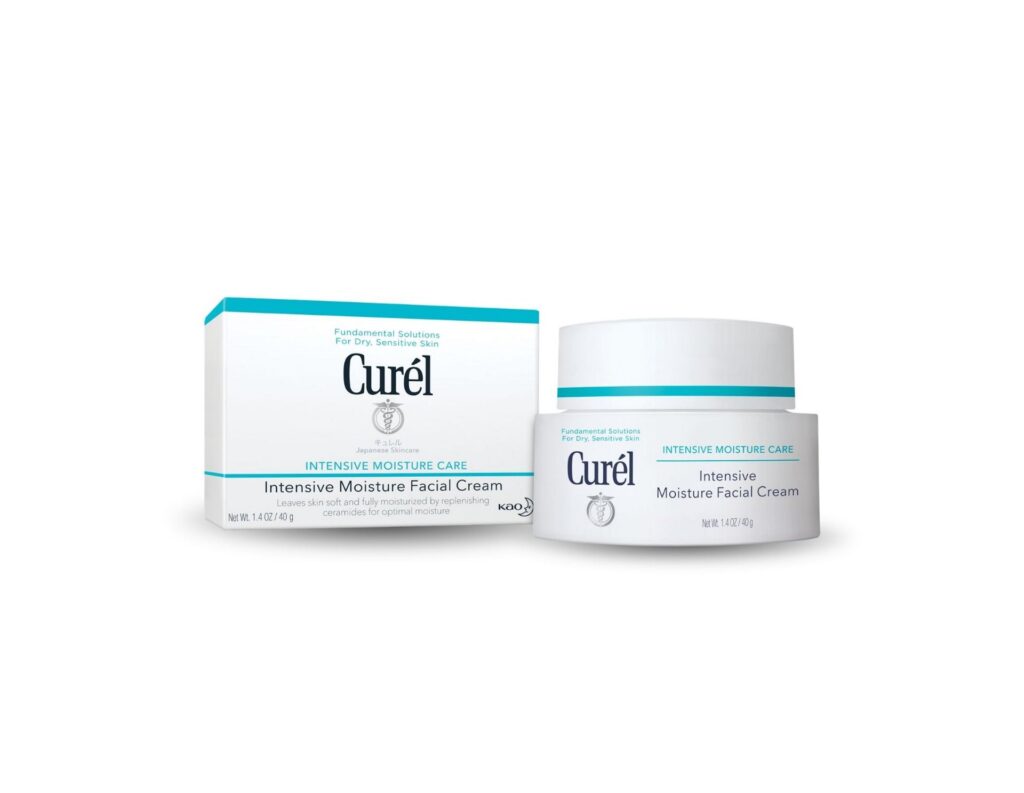
| Curél Intensive Moisture Cream (Kao) | No. 1 for sensitive and dry skin in Japan since 2008; ceramides + eucalyptus extract, pH-balanced, non-comedogenic |
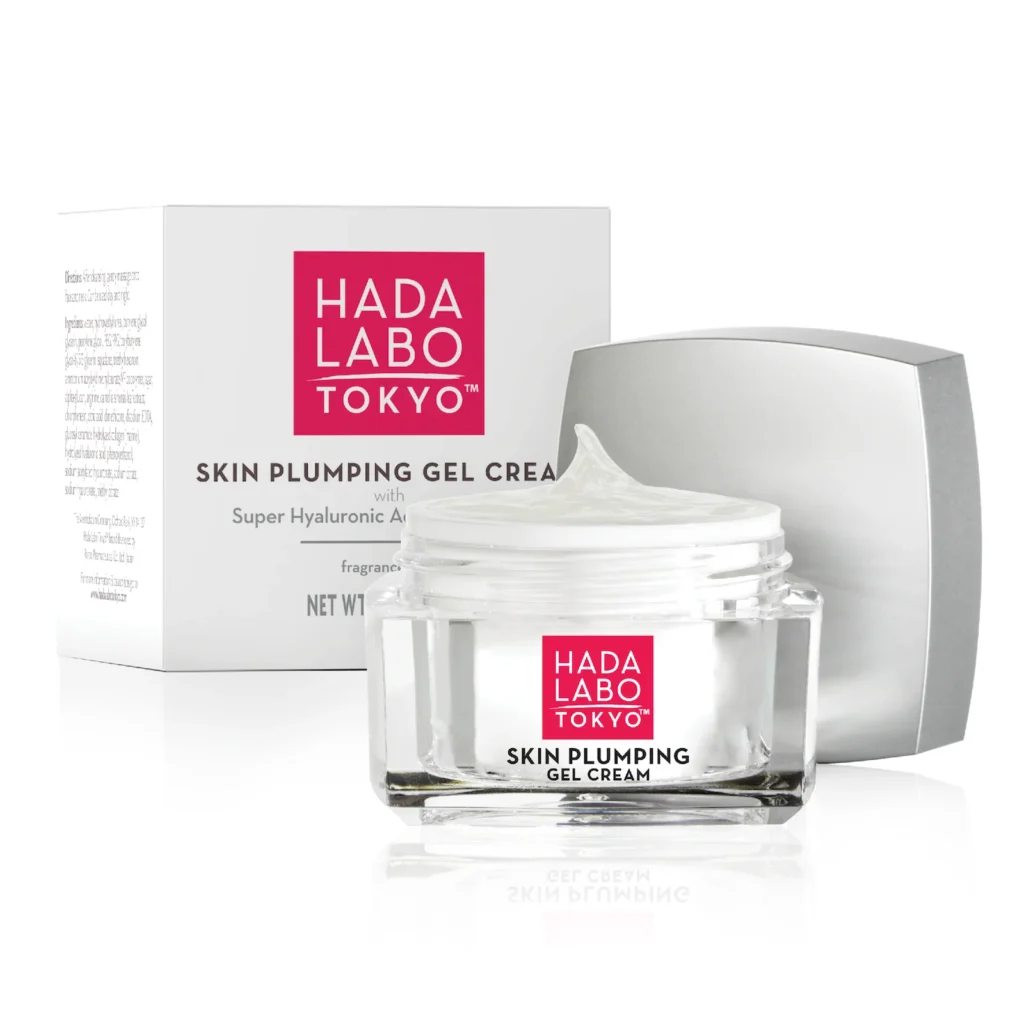
| Hada Labo Gokujyun Premium (Rohto) | Moisture leader; 5 types of hyaluronic acid, gel texture, works for every skin type |
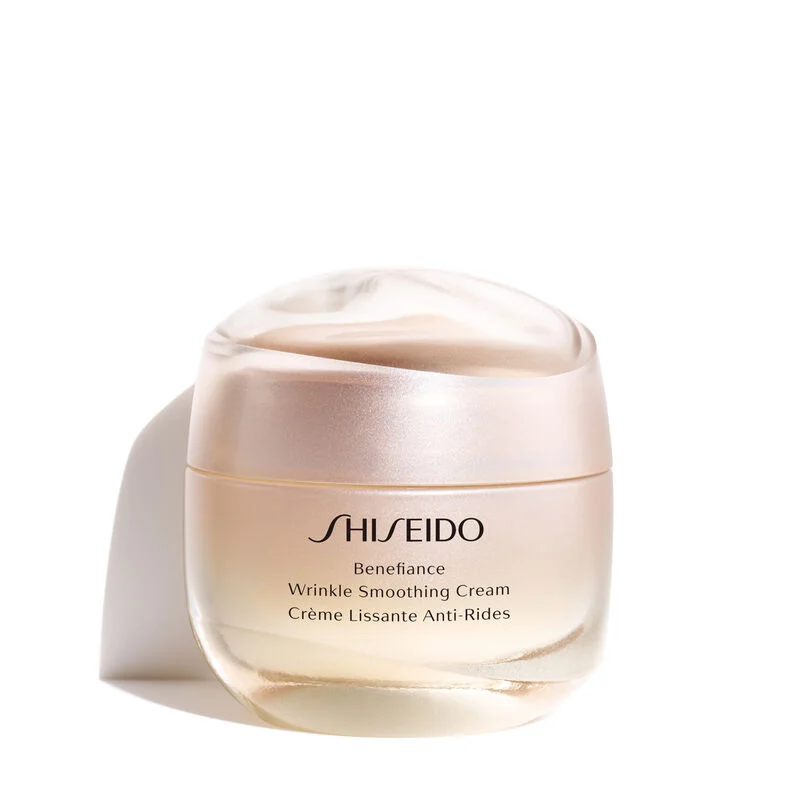
| Shiseido Benefiance Wrinkle Smoothing Cream | Prestige and anti-aging; KOMBU-Bounce technology + retinol, the perfect duo with Ultimune serum (top Cosme 2025) |
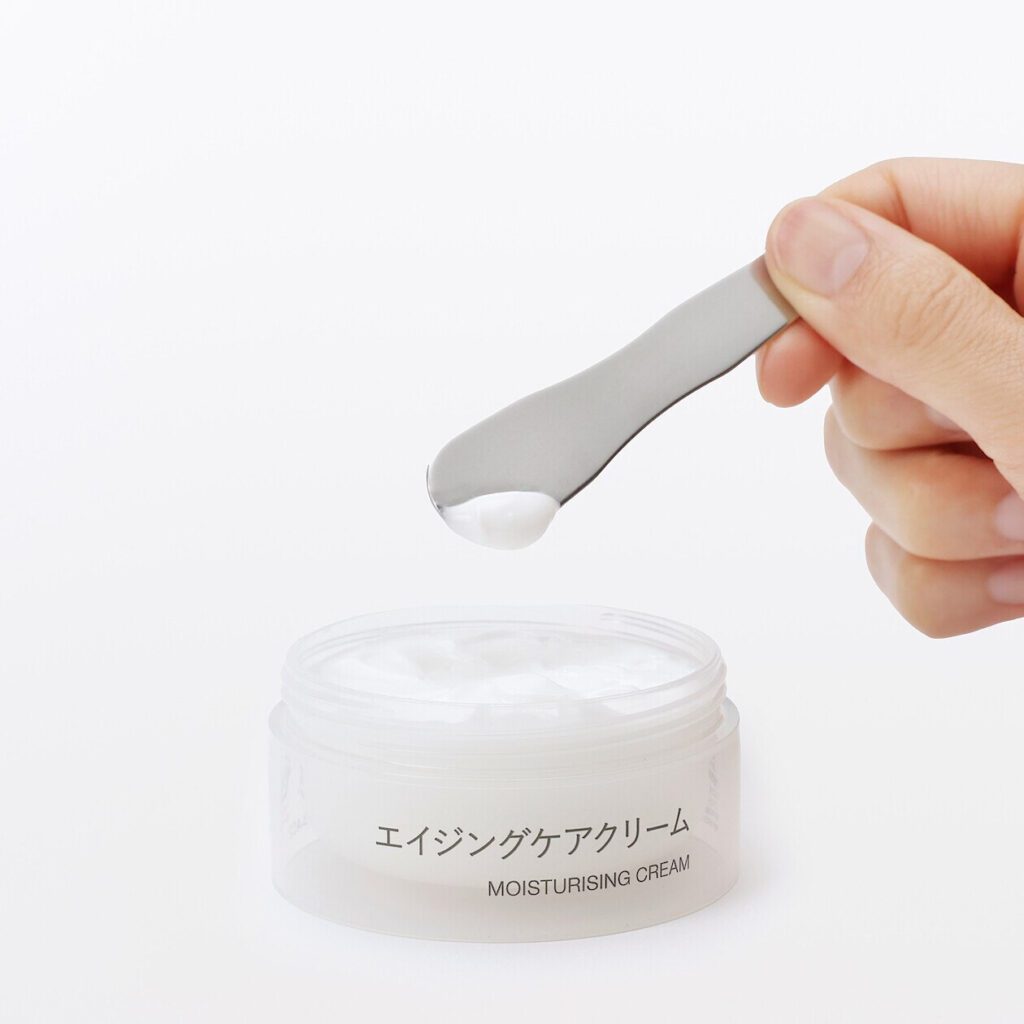
| Muji Aging Care Wrinkle Cream | Minimalism for a reasonable price; 5% niacinamide, 50 g/~¥1800, often sells out |
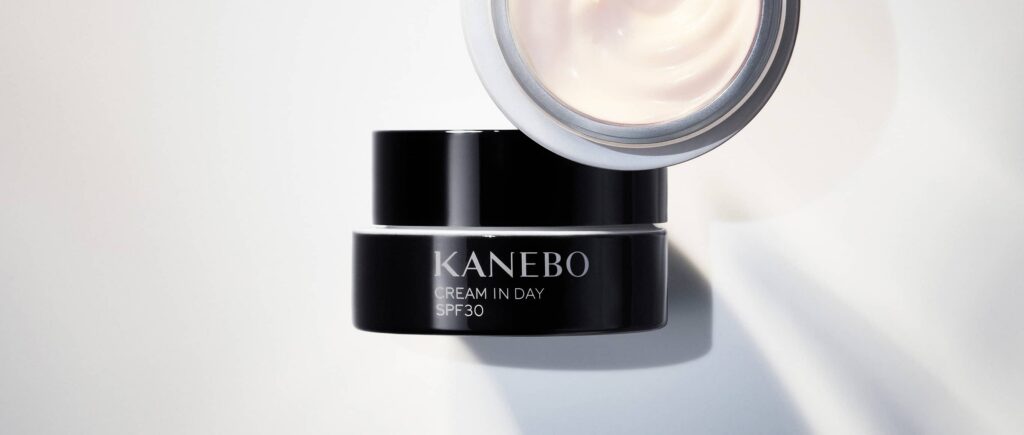
| Kanebo Cream in Day / Kose Aqua Label | Day creams with SPF and illumination; Kanebo won the #1 face cream 2025 award, Kose dominates in drugstores |
Hada Labo is the go-to choice if you don’t know where to start. Curél works when everything else irritates your skin. You buy Shiseido after 35, when you want real results, not promises.
Honorable mentions? SK-II with their iconic Pitera ™ (although the price puts it out of reach for many) and Kikumasamune, a sake-based cream with fans all over the world. But the five above are the foundation on which you can build your routine stress-free.
How to choose a Japanese cream?
Choosing a Japanese cream is a bit like putting together a puzzle. You need to match the formula to what your skin truly needs, not just to what looks nice on the shelf.
Quick fit map
Sensitive or atopic? Look for ceramides and avoid alcohol or synthetic fragrances. Severe dehydration responds best to multi-type hyaluronic acid combined with humectants (glycerin, betaine), ideally in a lightweight cream-serum texture. For anti-aging, peptides, niacinamide, or gentle retinoids work well, as they are less irritating than Western formulas. If you’re battling uneven skin tone, opt for rice ferments and niacinamide, always with SPF in the morning.
Layering and synergies
Apply in the following order: essence/serum → cream → SPF. In the morning, this seals in moisture; in the evening, you can allow yourself a bit more. Multi-HA after a fermented essence (something like SK-II) creates a moisturizing synergy you can feel after just 15 seconds of patting it in. Ceramides at the end act as a seal for the lipid barrier. For extra hydration, try the 7-skin method, which means applying several thin layers of hydrolate or essence, each patted in separately.
Honestly? Minimalism wins. Three to five steps, but done regularly, instead of ten products every now and then. Skin prefers consistency over fireworks.
How to verify the authenticity of a product
Suspiciously low price? Red flag. Here’s what we look out for:
- Seller – reviews, store operating hours, presence in the J‑Beauty community
- Batch code – should match the freshness calculators (checkfresh.com)
- Packaging – Japanese fonts, print quality, airtightness
- INCI list – must be identical to the official one (check on the brand’s website or CosDNA)
- Market price – if SK‑II costs 50 PLN instead of 300 PLN, avoid it
Cream as the calm force of J-Beauty
Japanese creams don’t promise miracles overnight, and that’s exactly why they work. Instead of aggressive ingredients and “wow” effects, you get a product that treats your skin as something meant to serve you for decades to come. This approach may sound boring, but in practice, it changes everything.
The entire philosophy of J-Beauty is based on patience and consistency. It’s not about fighting the signs of aging, but about working with your skin. That’s why creams from Japan are often lightweight, layered, and build hydration gradually. This is not an emergency cosmetic for the weekend before an important event, but daily support that simply works.
Maybe this is what you’ll like the most. When you finally stop searching for magical solutions and give your skin what it truly needs.
Elisabeth 90
beauty editorial team
High Class Fashion