
By 2025-2026, people under the age of 35 will generate between 45% and 60% of all spending on luxury goods. This is not a forecast—it’s already happening before our eyes. And that’s exactly why Louis Vuitton is so focused on collaborations with artists that blend the heritage of the Monogram with pop culture aesthetics.
The LV practice involves the continuous reinterpretation of their iconic patterns (Monogram, Damier) through the lens of contemporary creators. It’s not just bags or clothing. It’s installations, AR, experiences that make a century-old brand feel fresh. In 2023, Yayoi Kusama returned with the “Creating Infinity” campaign, featuring over 400 items and augmented reality. In 2025, Takashi Murakami returns. Both names are signals of the era of drops and virals.
For us, LV is no longer just a fashion house. It becomes a bridge between the museum, the street, and Instagram Stories. “A monumental marriage of art and commerce” may sound artificial, but that’s exactly the point: a fusion designed to capture our attention. Next, we’ll show the milestones of this strategy and how it has influenced generations Y and Z.
History and evolution of LV collaborations
Milestones are the best way to understand how quickly Louis Vuitton transformed from a workshop into a global spectacle machine. Just a few dates are enough to grasp the scale.
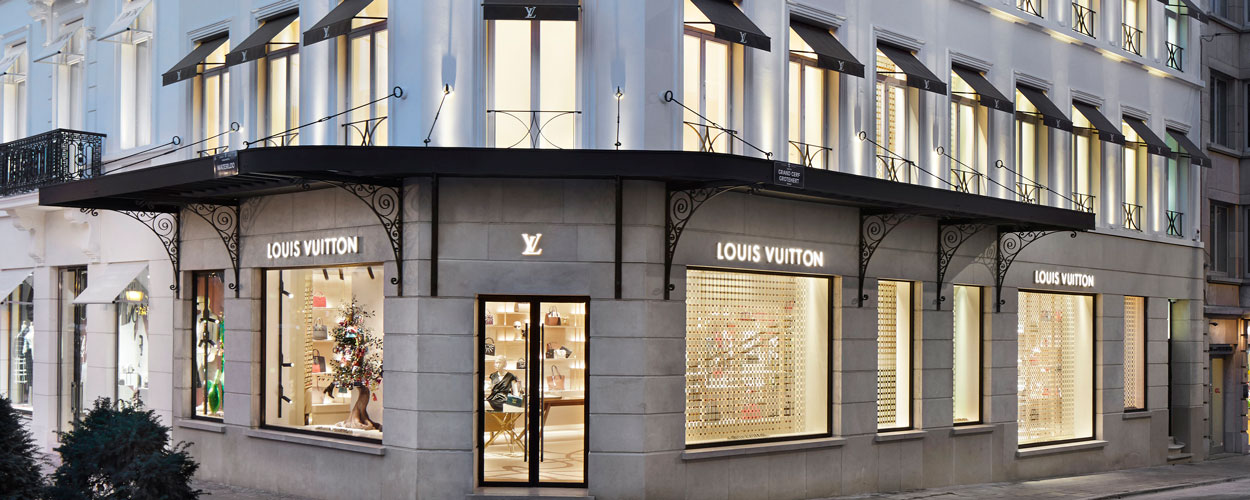
The most talked-about collaborations 2001–2025
| Year | Artist | Key | Product/data |
|---|---|---|---|
| 1910-1930 | Private orders | The first modifications of the monogram | Trunks for the aristocracy |
| 2001 | Stephen Sprouse | Graffiti Monogram | First mass processing |
| 2002-2014 | Takashi Murakami | Multicolore, Cherry Blossom | Sales of $300M+ |
| 2012 & 2023 | Yayoi Kusama | “Creating Infinity” | 400+ items, est. $500M+ |
| 2017 | Jeff Koons | “Masters” | Works of art on handbags |
| 2019 | Artycapucines | Sotheby’s Auction | 6 artists, charity |
| 2023 | Ewa Juszkiewicz | Inspiration from portraits | Twist bag |
| 2024-2025 | Murakami re-edition | Zendaya, TikTok hype | Sold out, bonuses +400% |
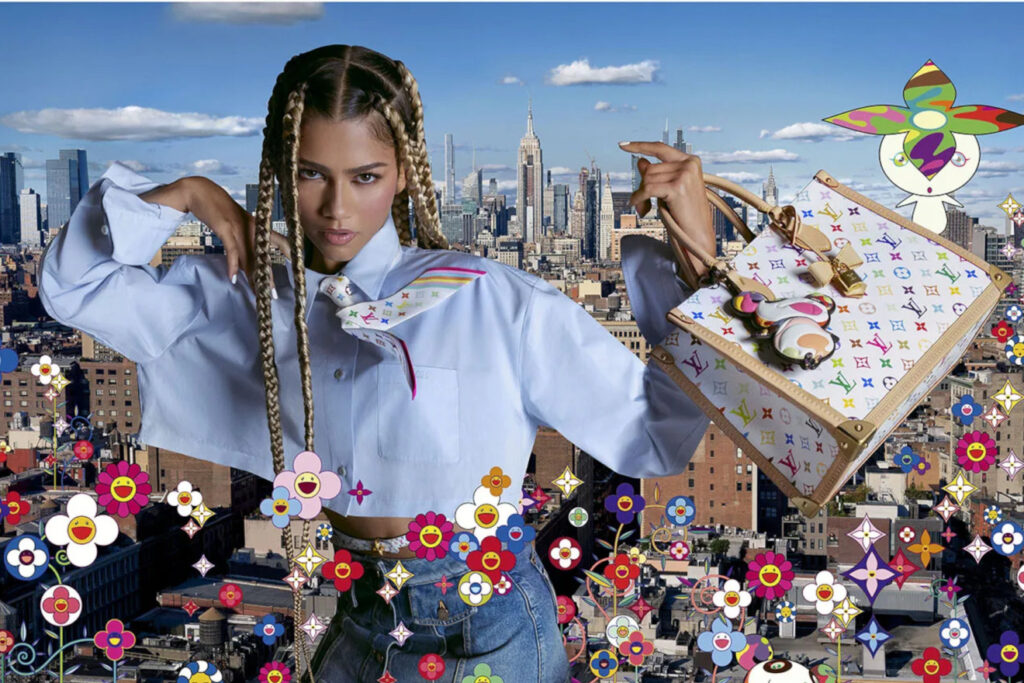
Evolution is brutal. From Sprouse’s first graffiti in 2001, which was an experiment, to Kusama in 2023 with robots in shop windows and AR on the streets of Tokyo. These are no longer collaborations; they’re campaigns on the scale of an iPhone launch. Fondation Louis Vuitton (opened in 2014, designed by Frank Gehry) closed the loop: LV became an art institution, not just a sponsor. The 2025- 2026 exhibitions, once again featuring Kusama with ” Infinity,” show that the house isn’t slowing down.
The numbers speak for themselves: Murakami has generated over $300 million in 12 years, while Kusama has likely surpassed half a billion. The question is, how does this affect young audiences?
Why generations Y and Z buy art on the monogram
I wonder why the Murakami bag causes more of a stir than the classic monogram. The answer is simpler than it seems: generations Y and Z aren’t just buying a luxury bag. They’re buying a piece of culture they understand.
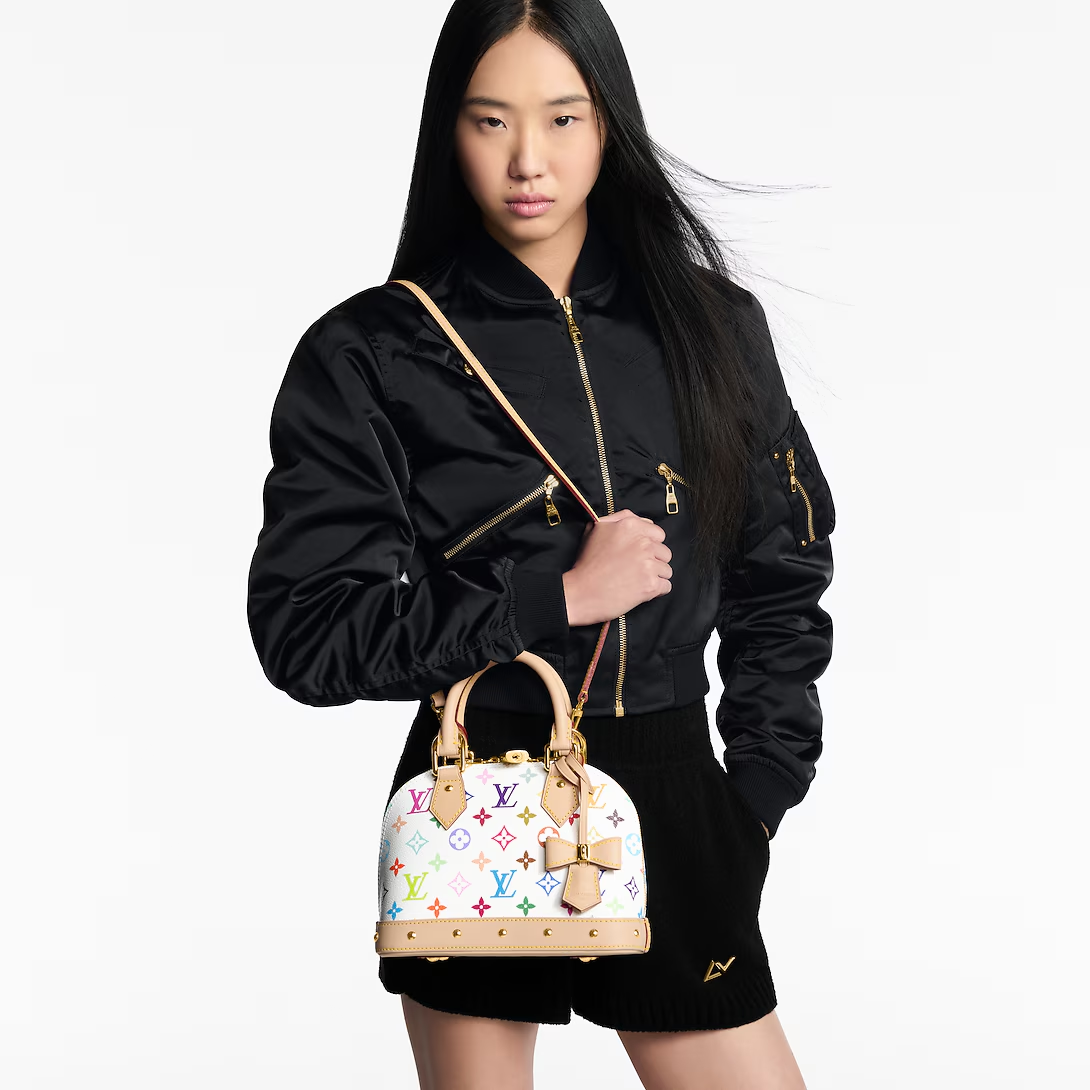
Attraction mechanisms
The numbers speak for themselves. The 18-34 age group accounts for over 60% of the Louis Vuitton audience, and Millennials and Gen Z will be responsible for 45-50% of total luxury spending in 2025. Interestingly, 60% of Millennials purchase artistic collaborations, while among Boomers the percentage is only 20%.
Why this difference? A few reasons:
- Hype drops and scarcity – the 2025 reissue of Murakami sold out within hours, with secondary market prices soaring by 400%
- Social media virality – Kusama’s AR filters (“dotted landmarks”) generate millions of interactions
- Streetwear Aesthetics – Pharrell and Tyler, the Creator take LV from the gallery to the street
- Resale as an investment – young people treat collaborations like assets
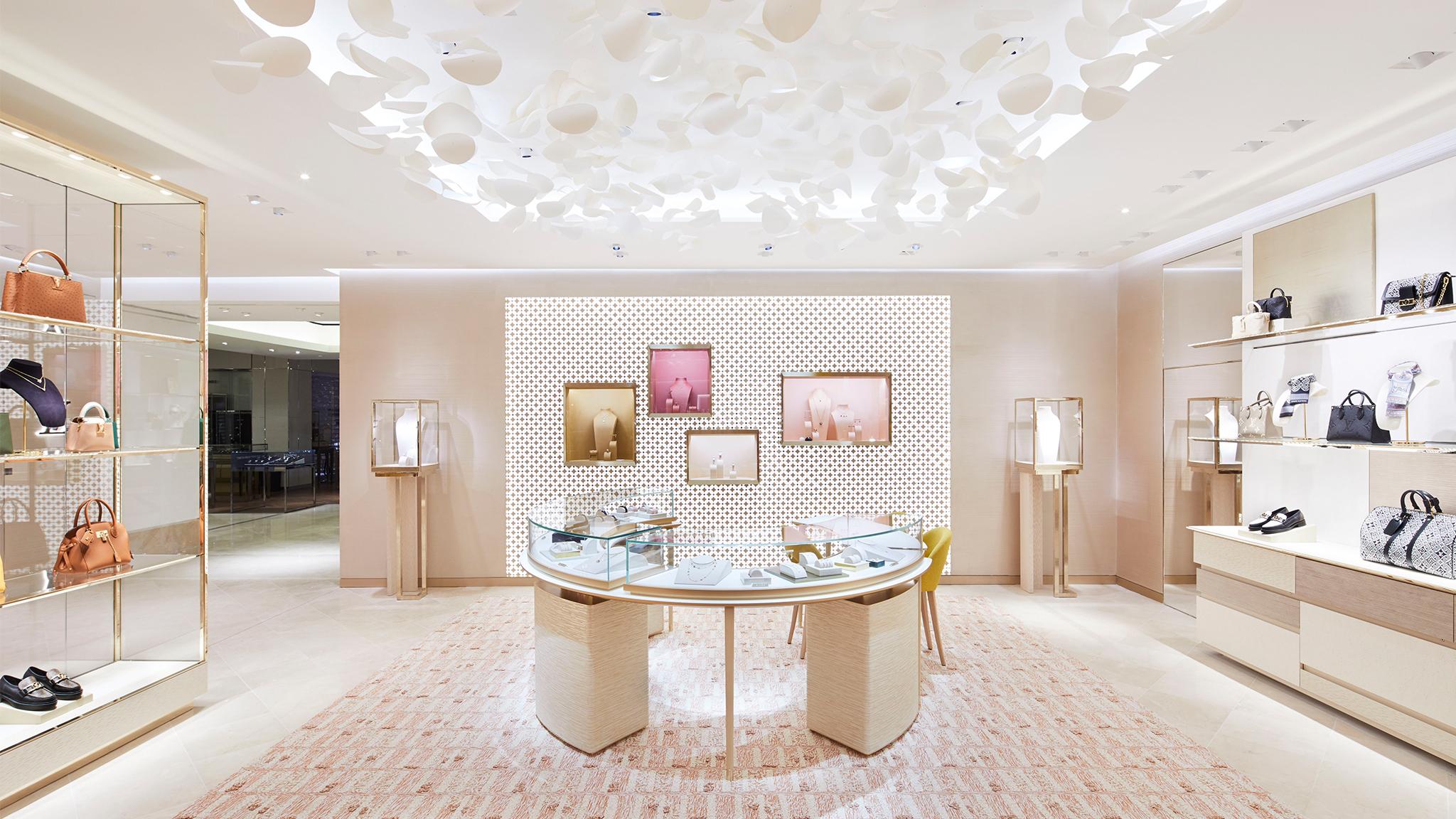
Art, hype, and heritage
Louis Vuitton knows how to do something truly rare in fashion: combine heritage with the language spoken by Generation Z. These collaborations with art are not just pretty campaigns. They are a way for a brand that could be seen as “something for parents” to become part of the everyday Instagram feed. Young people carry a Kusama bag not because they know it’s an icon of contemporary art, but simply because it just looks good next to their sneakers.
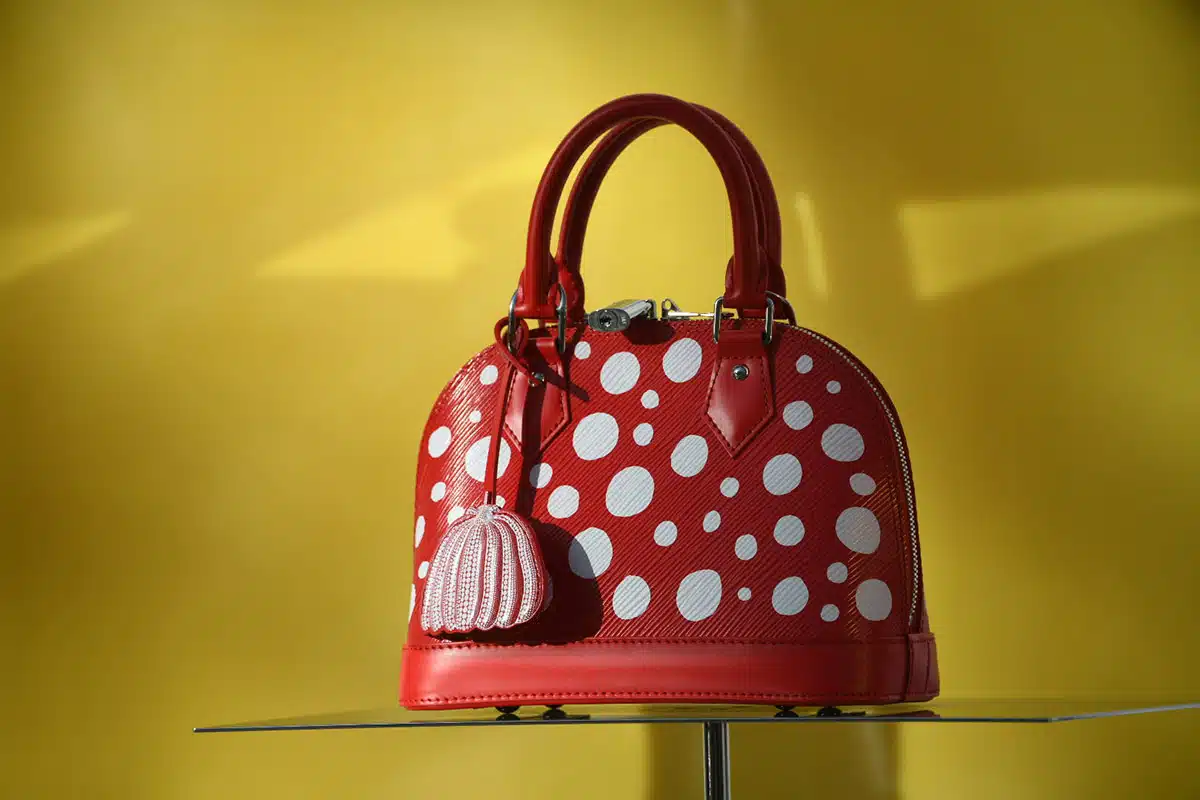
And that’s precisely where the magic of this strategy lies. Louis Vuitton builds loyalty through aesthetics that are both timeless and fresh. It doesn’t choose between tradition and modernity. It simply blends the two, effortlessly. The result? A brand that will be associated with this generation in twenty years, just as the monogram is associated with the ’90s.
Oll
High editorial staff