
In 2026, Rolex celebrates the one hundred and tenth anniversary of the introduction of the Oyster case, the waterproof housing that defined not only the brand but the entire wristwatch industry. This is not just a milestone date on the calendar. It is a moment to reflect on a company that produces around 1.15 million watches annually and has maintained its status as a symbol of prestige for decades. Most people associate Rolex with luxury, but the fact is that the foundation of the brand has always been technical innovation, not just the glint of gold.
Hans Wilsdorf, the founder, built more than just a watchmaking company. He created a system based on reliability and perfection. Today, over 90% of components are produced in-house, and every watch must meet the Superlative Chronometer standard (accuracy of −2/+2 seconds per day). Interestingly, since 1960 the brand has belonged to the Hans Wilsdorf Foundation, which allows it to think long-term without shareholder pressure.
In this article, we will walk through the milestones, from Wilsdorf’s first steps through icons like the Submariner and Daytona, up to current market challenges and controversies surrounding model availability. Because the history of Rolex is not just about successes. It’s also about tough decisions, legal disputes, and the evolution of a strategy that continues to this day.
The history of the Rolex brand
Hans Wilsdorf founded Wilsdorf & Davis in London in 1905, although at the time no one expected that a small importer of movements would grow into an empire. 1908 marks the birth of the name “Rolex,” which was meant to sound good in every language. It may sound trivial, but Wilsdorf was thinking globally long before anyone else used that word.
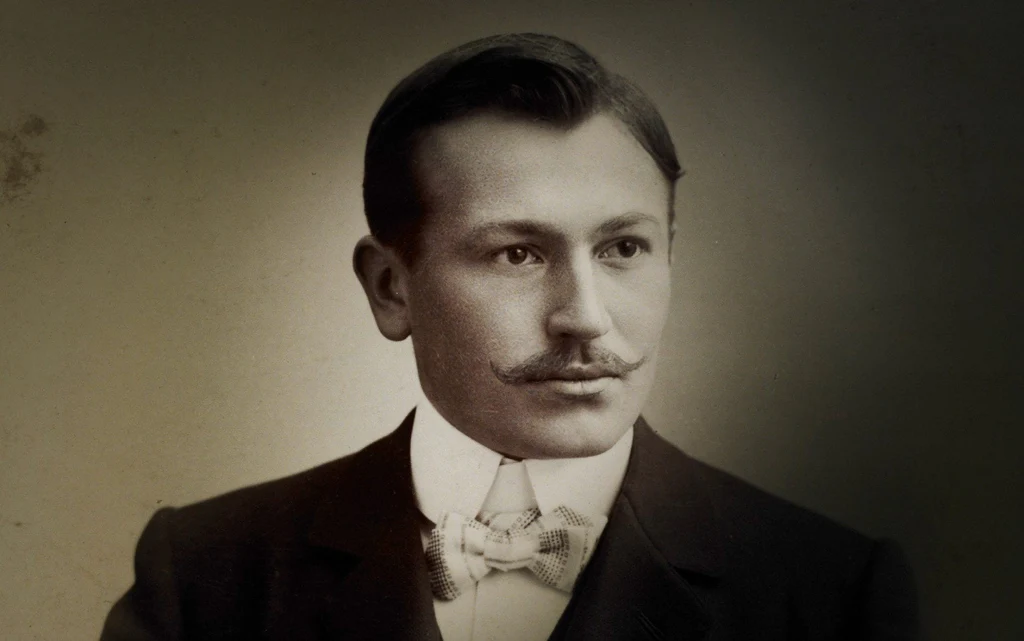
Then things moved quickly. In 1910, Rolex received the first chronometer certificate for a wristwatch, which at the time was nearly impossible. Four years later, in 1914, came the Kew Class A certificate, previously reserved only for marine chronometers. It was a knockout, because suddenly a watch on the wrist could compete with the precision of stationary instruments. In 1919, Wilsdorf moved the company to Geneva, where it remains to this day.
How innovations have changed the wristwatch
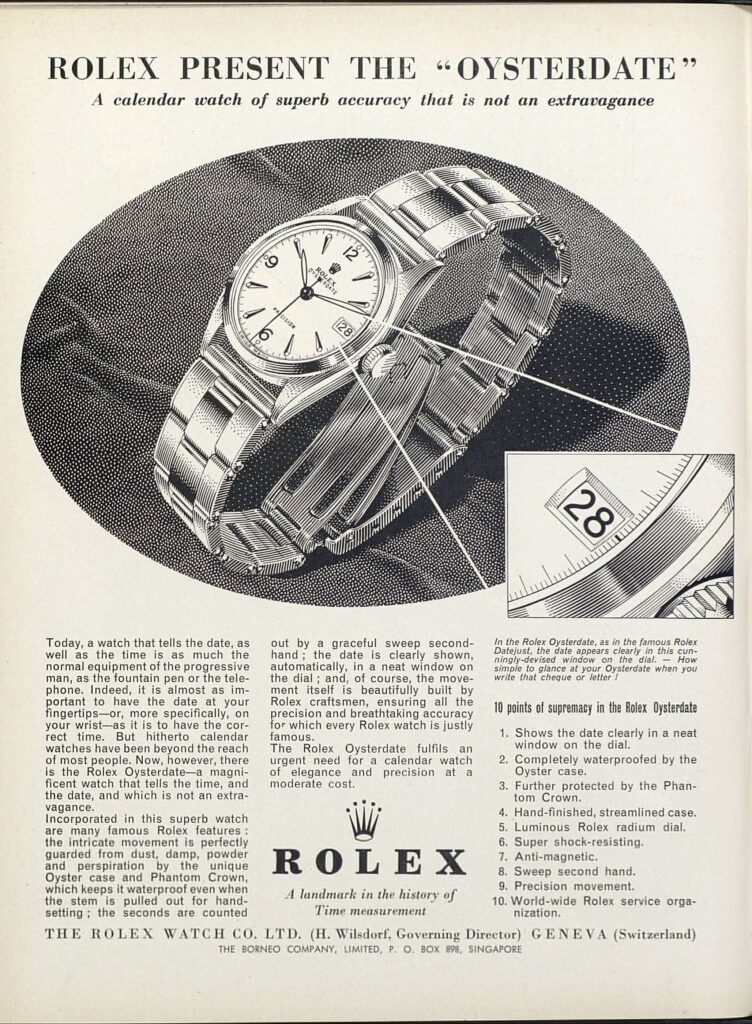
1926 brought the Oyster, the first truly waterproof case. Five years later, in 1931, the Perpetual appeared with a 360° rotating rotor that automatically wound the movement. It was a revolution, not an evolution.
The fifties and sixties marked the era of professionalization: 1953 (Submariner, Explorer), 1955 (GMT-Master), 1956 (Day-Date), 1963 (Daytona), 1967 (Sea-Dweller), 1971 (Explorer II). Record-breaking dives and polar expeditions became a testing ground, as Rolex needed extreme conditions as proof.
Since 1985, the focus has been on materials: 904L steel (now Oystersteel), in 2005 Cerachrom ceramic and Parachrom hairspring, in 2015 the Oysterflex strap and caliber 3255. The Superlative Chronometer standard (−2/+2 s/day) is today’s brand standard, higher than COSC.
How does Rolex test the limits?
Rolex’s reputation didn’t come from advertising campaigns, but from places where most watches simply wouldn’t survive. Expeditions, depth records, races—these are where the brand proved that a waterproof case isn’t just marketing, but a fact.
Icons in action: from the ocean to the Himalayas
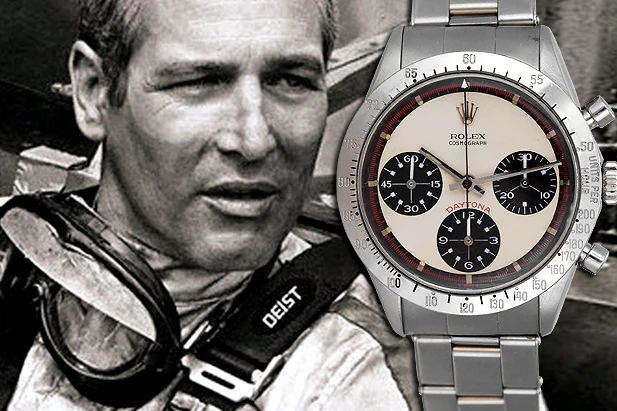
Each line had its own battlefield. Submariner (since 1953) is for diving, after all, it was the first watch waterproof to 100 meters. Explorer was created for mountaineers, GMT-Master for pilots crossing time zones. Daytona is for the racetrack, Sea-Dweller for deep technical dives, and Explorer II for exploring caves and the poles, where a single day can last for months.
Records that became evidence
The real tests came quickly:
- 1927 – Mercedes Gleitze swam across the English Channel with an Oyster on her wrist. The watch worked.
- 1953 – Hillary and Norgay on Everest. The Explorer endured minus 30°C and lack of oxygen.
- 1960 – The Deep Sea Special descended with the bathyscaphe Trieste to the bottom of the Mariana Trench, 10,916 meters. Extreme.
- 2012 – James Cameron repeated the feat with Deepsea Challenge. Water resistance up to 11,000 m thanks to the Ringlock system is now a symbolic limit of possibilities.
Rolex also appeared at Wimbledon, in Bond films (Submariner), and during Campbell’s speed records. Its presence in culture and sports enhanced its value, but it was the extreme, real-life trials—not staged ones—that built demand the brand never had to artificially stimulate.
A scale that creates scarcity
Rolex often produces fewer watches than enthusiasts’ estimates would suggest. Here are the hard numbers:
- Production: 1.24 million (2023); 1.176 million (2024); ~1.15 million (2025, decrease of 2%)
- Turnover: CHF 10.1 billion (2023); ~CHF 10.5 billion (2024); ~CHF 11 billion (2025)
- Market share: approximately 33% of the Swiss luxury segment
This scale means that demand constantly exceeds supply. The result? Waiting lists at authorized dealers (AD) have become almost standard for iconic models. Interestingly, the brand raised prices by 6% in 2025, continuing a long-standing upward trend. It’s not just inflation—it’s also a positioning strategy.
AD network and strategic moves
Rolex’s distribution model is based exclusively on authorized points of sale. No online sales, zero official e-commerce channels. In 2023, the company acquired the Bucherer network (the largest European watch retailer), strengthening its control over the market. A year later, a flagship boutique was opened on 5th Avenue in New York, signaling retail ambitions.
In production, Rolex controls over 90% of processes in-house, from gold foundries to the manufacturing of balance springs. It also holds over 400 patents. Every watch comes with a 5-year warranty and a Superlative Chronometer certificate (accuracy from −2 to +2 s/day). Sounds solid, doesn’t it?
But this dominance also has another side. Issues such as dealer practices or tensions in the secondary market are a separate matter.
Disputes, forgeries, and criticism
Rolex is the most counterfeited watch brand in the world. Estimates suggest there are as many as 50 fakes for every original, which sounds almost absurd. However, the problem has taken on a new dimension with the emergence of “superclones,” replicas costing around $600, which are difficult to distinguish from the original without specialized equipment. The secondary market also struggles with “frankenwatch”—watches assembled from both genuine and counterfeit parts.
In response, the brand took a tougher legal stance. In 2025-2026, it sued, among others:
- Swiss Wrist and Icebox for selling modified parts as “genuine”
- BeckerTime and La Californienne for producing watches with custom dials, which the company considered a trademark infringement
Where does marketing end and dispute begin?
Not all controversies concern counterfeits. In 2026, a class action lawsuit was launched in California against the practices of authorized dealers who required the purchase of jewelry before granting access to popular models (“bundling”). This sparked a wave of discussion about artificial scarcity and sales ethics.
The brand’s history also carries darker threads. During World War II, Wilsdorf supplied watches to Axis countries, although he was later cleared of collaboration charges. The Hans Wilsdorf Foundation, which owns the brand, is regularly criticized for its limited transparency regarding donations, especially after the scandals of 2011. Some also accuse Rolex of excessive conservatism and deliberately maintaining market tension. The image of the crown has its flaws.
Present
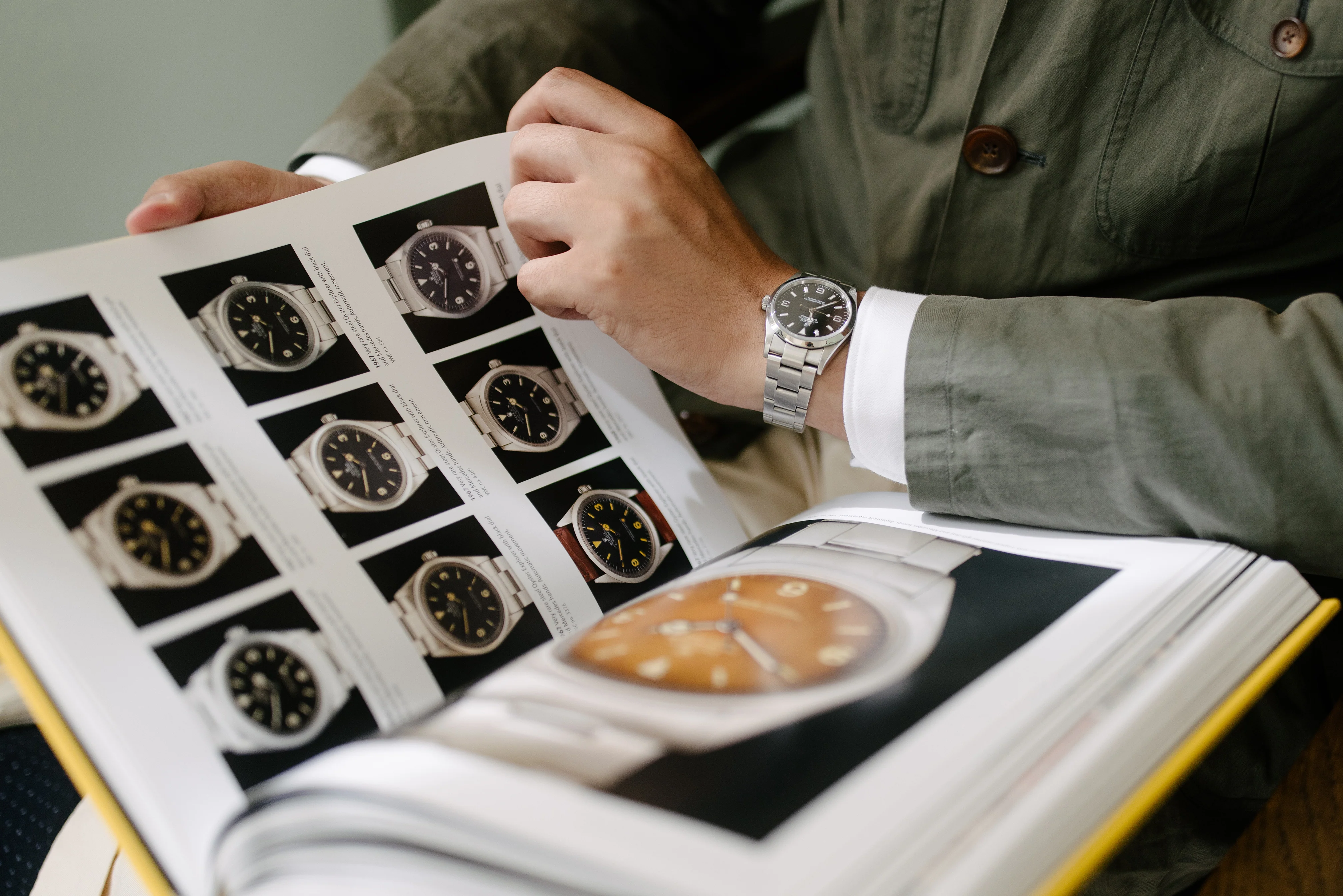
The year 2026 marks a special milestone for Rolex, as it will be exactly 100 years since the Oyster was patented. The brand is not letting up, offering anniversary editions while simultaneously pushing technical standards where it has always aimed: reliability and precision. Let’s take a look at what’s currently in the lineup and where it’s heading.
Jubilee on the shield and in the catalog
For the centenary of the Oyster, Geneva released the Oyster Perpetual 41 and 36 with a discreet “100” signature on the dial and a gold bezel – slightly retro, yet elegant. In addition, we have:
- Daytona Rolesium (steel + platinum) – a material combination that always sells well,
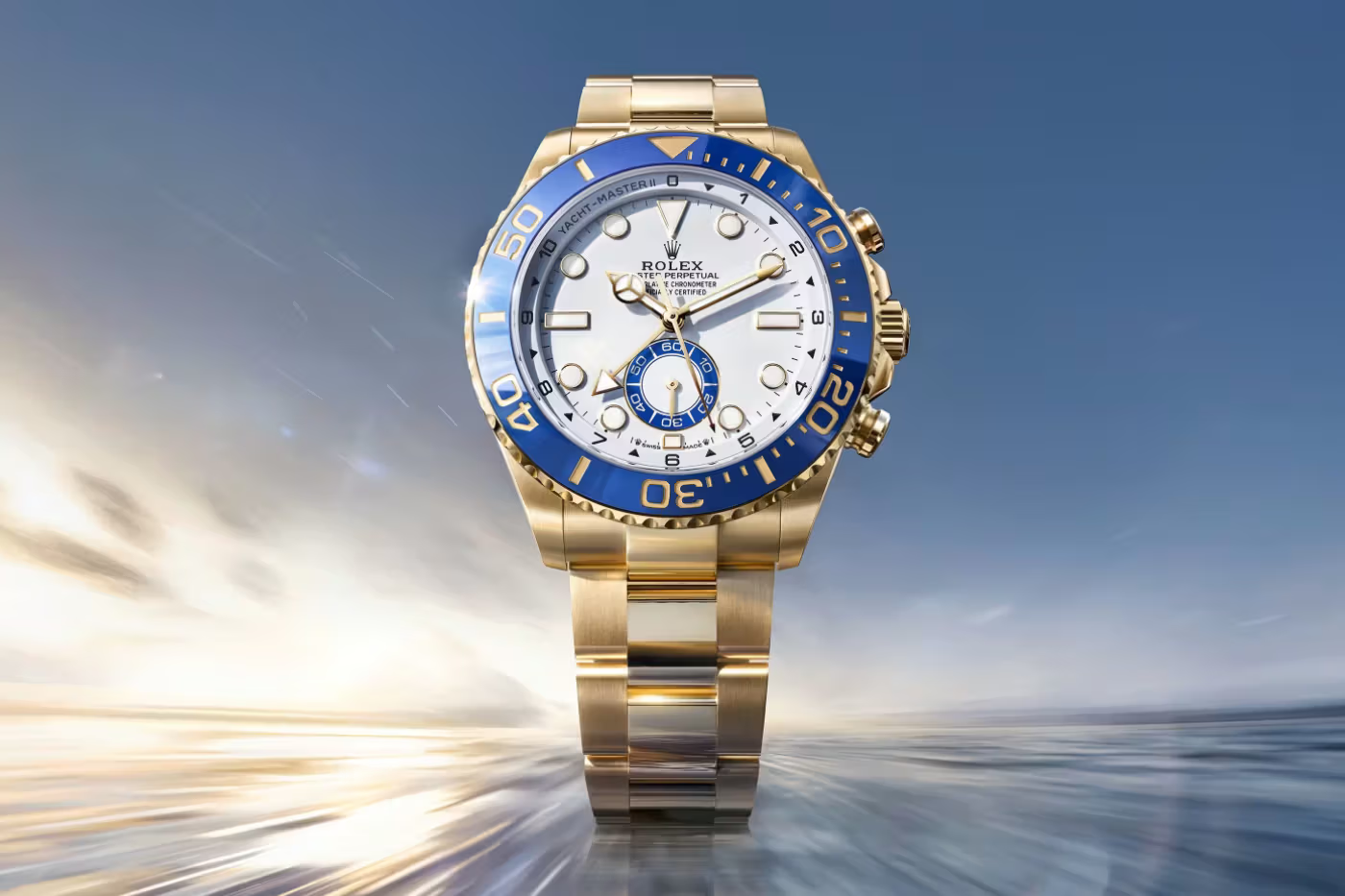
- Yacht-Master II with the new caliber 4162,
- Datejust with a green ombre dial (the color trend continues),
- Day-Date 40 Jubilee Gold – classic style with a new bracelet.
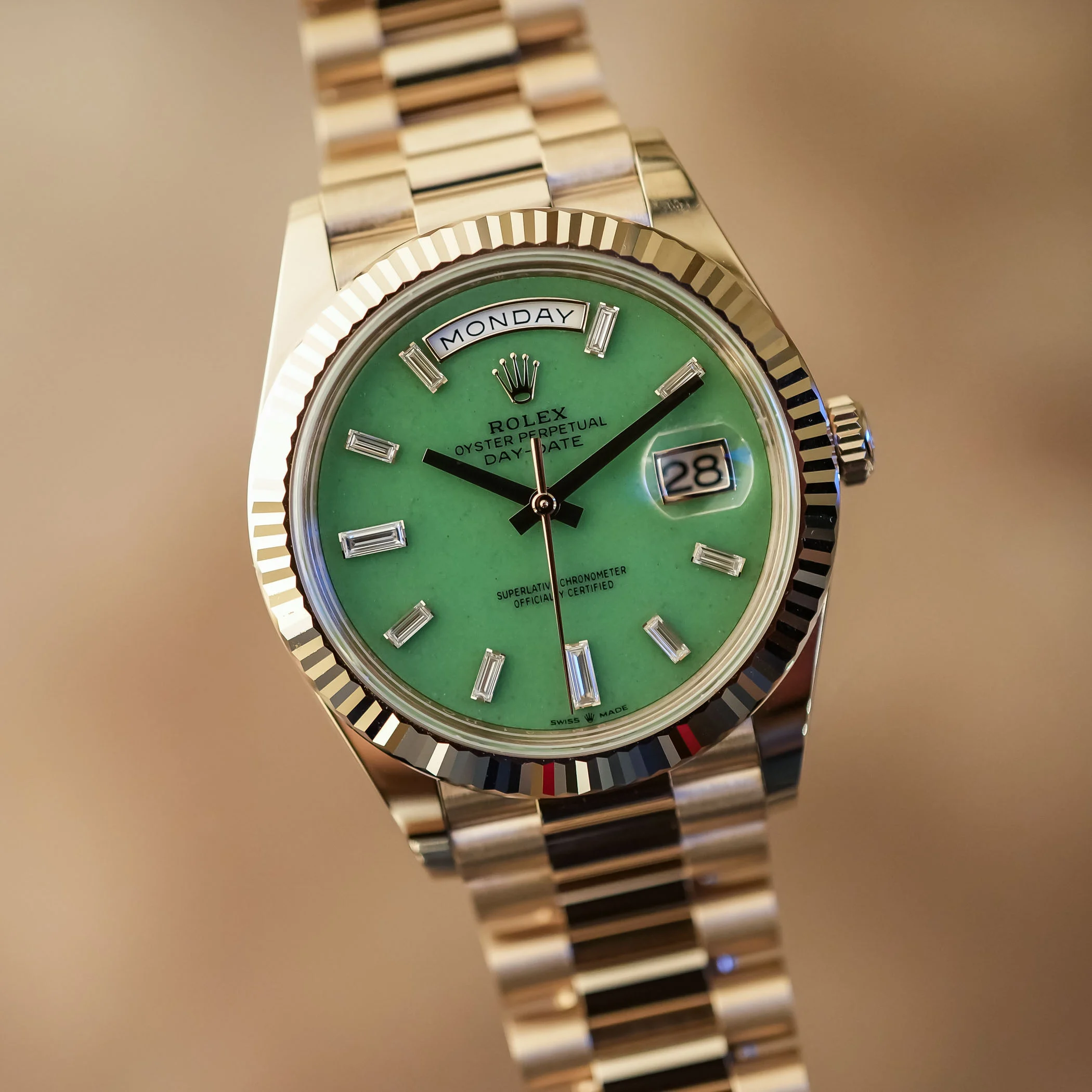
Production in 2025 decreased slightly to ~1.15 million units (−2%), but turnover grew to CHF 11 billion (+4%). The explanation is simple math: prices are rising, and demand for classic models remains steady.
Caliber, reserve, and what next
The standard now includes calibers 2232 and 3230 with a 70-hour power reserve and Superlative Chronometer certification (−2/+2 s/day). The Syloxi fiber and Parachrom hairspring are no longer new, but they still make a difference in everyday use.
Strategically, Rolex focuses on image: Perpetual Planet (environment), sponsorship of Wimbledon, the Oscars, PGA, SailGP. The acquisition of Bucherer in 2023 signals that the brand wants to control more sales channels.
As for trends? There are whispers about RLX titanium, a possible return of the Milgauss (the 70th anniversary in 2024 passed quietly), and an annual calendar. Price increases in 2025 amounted to around 6%, so cautiously but consistently. We’ll see whether the anniversary is just marketing or a real turning point.
The crown that never falls
Rolex has built something that money can’t buy through advertising. Trust. And that trust doesn’t come from marketing campaigns, but from decades of consistency. When every watch that leaves the factory truly works for generations to come, there’s no need to convince people that it’s worth paying more.
Today, the crown on the dial is a symbol recognized by everyone—not just watch enthusiasts. And that was exactly what Wilsdorf intended from the very beginning, although even he probably couldn’t have imagined such a scale. He created a brand that has survived wars, crises, and a technological revolution.
Interestingly, Rolex is still a foundation. There are no shareholders demanding quick profits, no need to chase trends. It can simply make watches the way it deems right. And it is precisely this independence that allows the crown to remain on top.
Kenny
HCF editorial team