
February 1955. Coco Chanel releases the 2.55 and gives women more than just a handbag: free hands. Sounds like a trifle? Yet it was a manifesto. Quilted diamonds (and later chevron), a chain strap, a burgundy interior reminiscent of orphanage uniforms—all of this became a code of luxury you can recognize from afar.
Why are we still talking about it in 2026? Because the icon hasn’t faded into the archives.
A few facts that speak for themselves:
- Prices are rising: The Classic Flap in the USA increased by about 2-5% at the beginning of the year, similarly in Europe. It’s not slowing down.
- Matthieu Blazy refreshes the code: since he took over the creative reins, we’ve seen new interpretations of quilting and proportions. Classic, but with a twist.
- 180+ production stages, 15 hours of work: every bag is a piece of craftsmanship you can feel in your hands.
In this article, we will explore the evolution of the models (from 2.55 to Boy and 19), take a look inside the artisan workshop, and examine what’s happening with prices on the secondary market. No mythologizing—just concrete dates and numbers. Because the quilted Chanel bag is not only an object of desire, but also an investment in a style that will endure for decades to come.
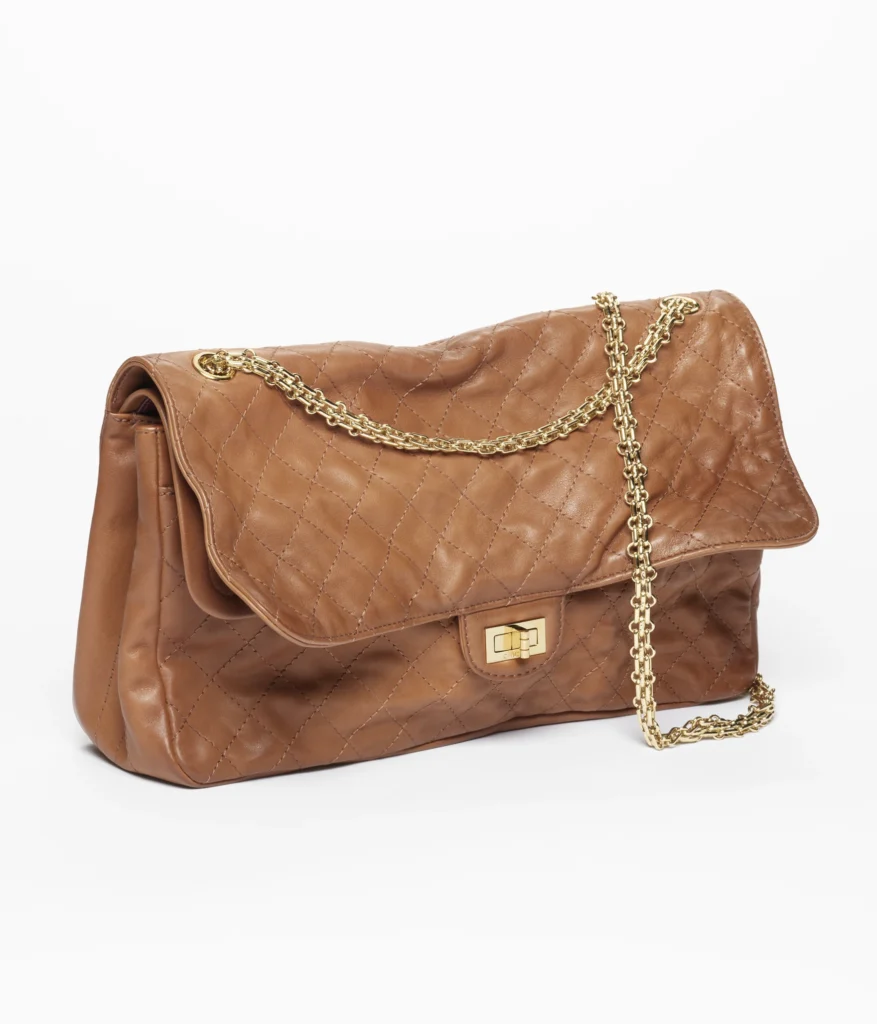
Iconic quilted Chanel handbags
Chanel did not invent the shoulder bag in 1955, although many believe so. Coco was already experimenting with a chain strap in 1929, when she created a quilted flap bag with a chain inspired by the keys of the nuns from the Aubazine Abbey. Burgundy lining? That’s from there too. The diamond quilting is a direct reference to the equestrian blankets she observed in the 1920s.
The real breakthrough came in February 1955. The 2.55 model (named after the date) was the first handbag with a double flap, a ” Mademoiselle ” lock, and the famous “love letter pocket.” A metal chain, no leather. It was a manifesto.
| Year/period | Event |
|---|---|
| 1929 | Prototype with chain |
| 1955 | Model 2.55, Mademoiselle lock |
| 1983 | Karl Lagerfeld: Classic Flap 11.12, CC lock, leather-woven chain |
| 1986 | Entering serial numbers |
| 2005 | Reissue 2.55 (faithful replica) |
| 2011 | Boy Bag |
| 2019 | Chanel 19 (oversized quilting) |
| 2025-2026 | Matthieu Blazy: “crushed” 2.55, enlarged formats |
Every change reflects its era. Lagerfeld added CC and leather to the chain because the ’80s loved visible logos. The 2005 Reissue? A return to the roots. Now Blazy plays with proportions and crumples the material, testing the boundaries of the icon.
Design, materials, and craftsmanship: what truly defines an icon
Diamond quilting is the first distinguishing feature, although in the Reissue line you’ll also find chevron ( that is, a diagonal herringbone pattern). The chain, often threaded with leather straps, gives the bag its characteristic look, while the double flap with a “smile” at the back is a subtle yet important detail. The burgundy interior and the Mademoiselle lock (in the 2.55) or the CC lock (in the Classic) complete the set of visual codes.
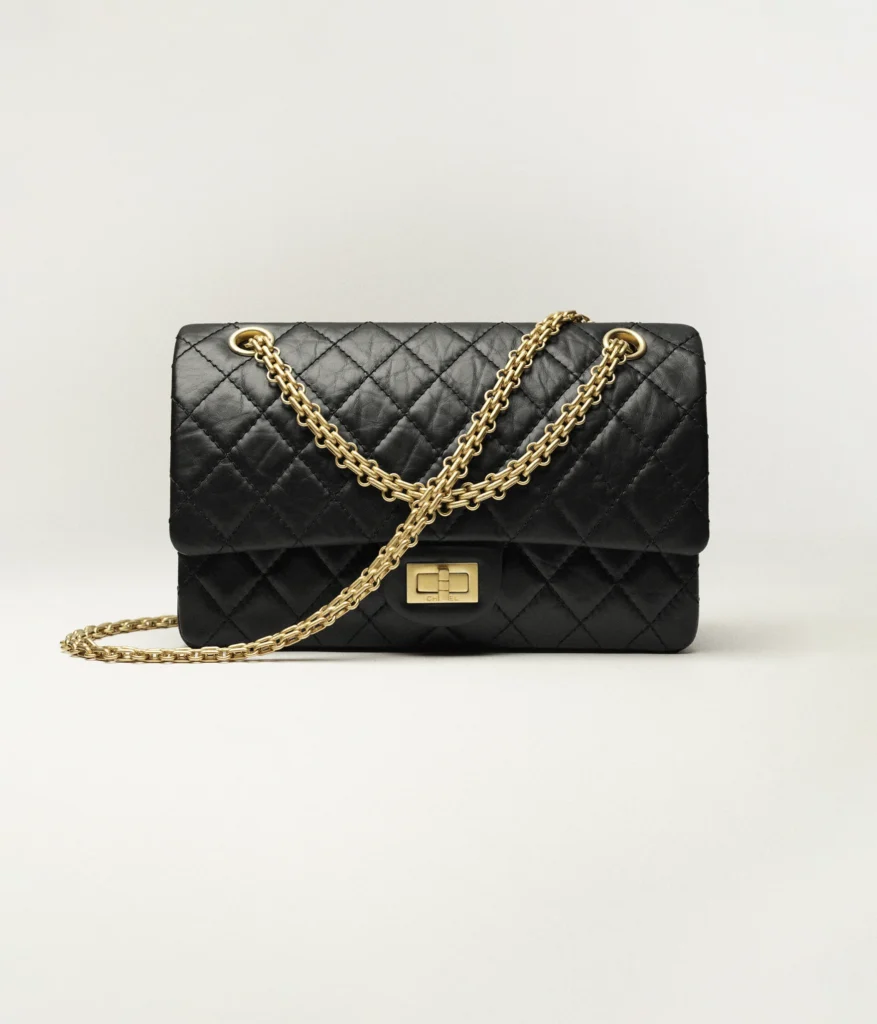
Materials, finishes, and sizes
Lambskin is delicate, soft to the touch, but requires care. Caviar (grain) is a more durable choice, resistant to scratches and water, which is why it’s popular for everyday use. Hardware comes in gold, ruthenium, and silver, sometimes aged or brushed for a vintage effect. Sizes are a science of their own:
| Model | Dimensions (cm) | Type |
|---|---|---|
| 2.55 Reissue 224 | 20 × 14.5 × 7.5 | compact |
| 2.55 Reissue 225 | 24 × 16 × 7.5 | universal |
| Classic Mini | 16.5 × 14 × 6.5 | evening |
| Classic Small | 24 × 14.5 × 6.5 | everyday |
| Classic Jumbo | 30 × 20 × 10 | large, impressive |
Craftsmanship and production process
Each handbag goes through more than 180 stages, taking at least 15 hours of work. Artisans (often women) train for about 4 years in ateliers such as Verneuil-en-Halatte. Quality control is a separate chapter, as every seam and every piece of metal must fit perfectly.
Market, prices, and investment potential in 2026
In April 2026, Chanel raised its prices again (this time by 2-5%), which has now become almost an annual ritual. If you’re planning a purchase, it’s worth knowing where the key models currently stand:
| Model | Retail price 2026 (USD) | Attention |
|---|---|---|
| Classic Medium Flap | approx. 11,700 | after the April increase |
| 2.55 Reissue Medium | approx. 11,000+ | depends on the finish |
| Mini Flap | 5,400-5,600 | the smallest classic |
Since 2022, a limit has been in place: a maximum of 2 classic bags per client per year. The fashion house monitors purchases globally, so you won’t be able to buy a third one at another boutique. This is a deliberate exclusivity strategy.
Secondary market: retention and risks
On the secondary market, quilted Chanel bags hold their value better than most luxury handbags. Retention is 60-90% of the retail price, and some mini sizes have increased by 155% since 2020. In the long term, selected classics have gained over 300% since 2010, though these are exceptions rather than the rule.
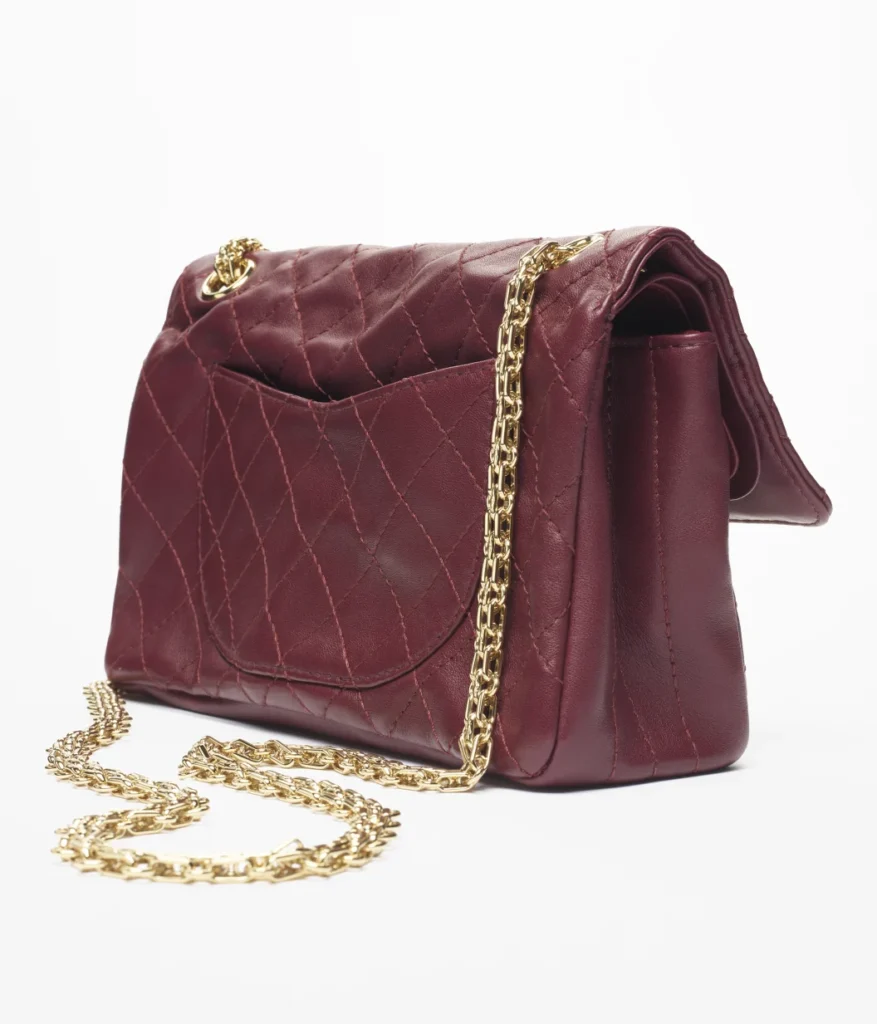
Beware of counterfeits—their scale is enormous. Buy only in boutiques or on reputable resale platforms with an authenticity guarantee. Recent legal disputes in the industry show how important verification is. Saving a few thousand on a questionable transaction can end in a total loss.
An icon that endures even as fashion changes
The history of the quilted Chanel bag is a story of how great design can endure for decades without losing its significance. Gabrielle Chanel created more than just a fashionable accessory—she designed an object of desire that serves as both an emotional and financial investment. This is a rarity in the fashion world, where most things lose their value from season to season.
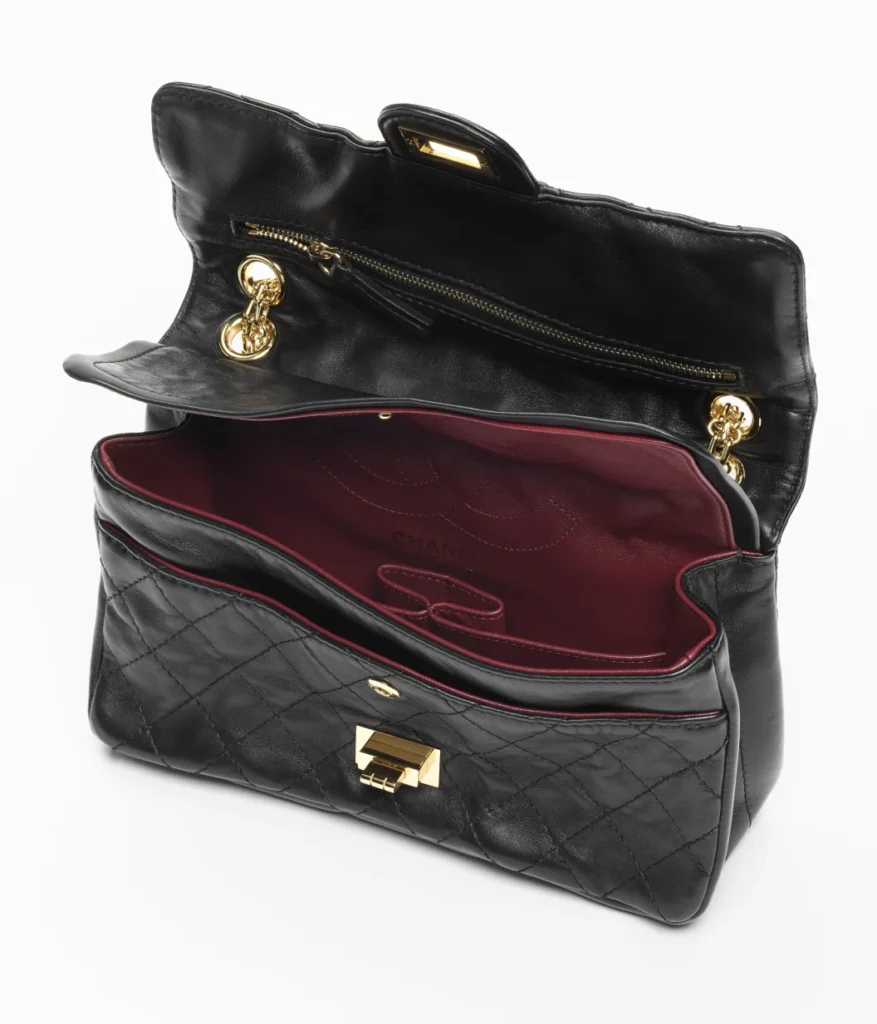
That’s exactly why these handbags keep appearing on the shoulders of women in Warsaw, Paris, and Tokyo. Not because they have to, but because they want to carry something that has both a history and a future.
Zolly
editorial fashion & lifestyle
High Class F