
The season that ends the era of fur
Approximately 20 million animals are killed worldwide each year solely to end up in collections as fur. On December 3, 2025, the Council of Fashion Designers of America (CFDA) announced that starting from September 2026, the official New York Fashion Week calendar will implement a “fur-free” policy. It sounds like a revolution, but the truth is a bit different.
Why this is a breakthrough for NYFW
In practice, on New York runways, fur has hardly existed for several seasons now. Most brands have switched to alternatives or simply stopped showcasing these materials. The CFDA’s decision formalizes what had been happening gradually, but at the same time sends a clear signal: the era of fur in high fashion is coming to an end, at least in this form.
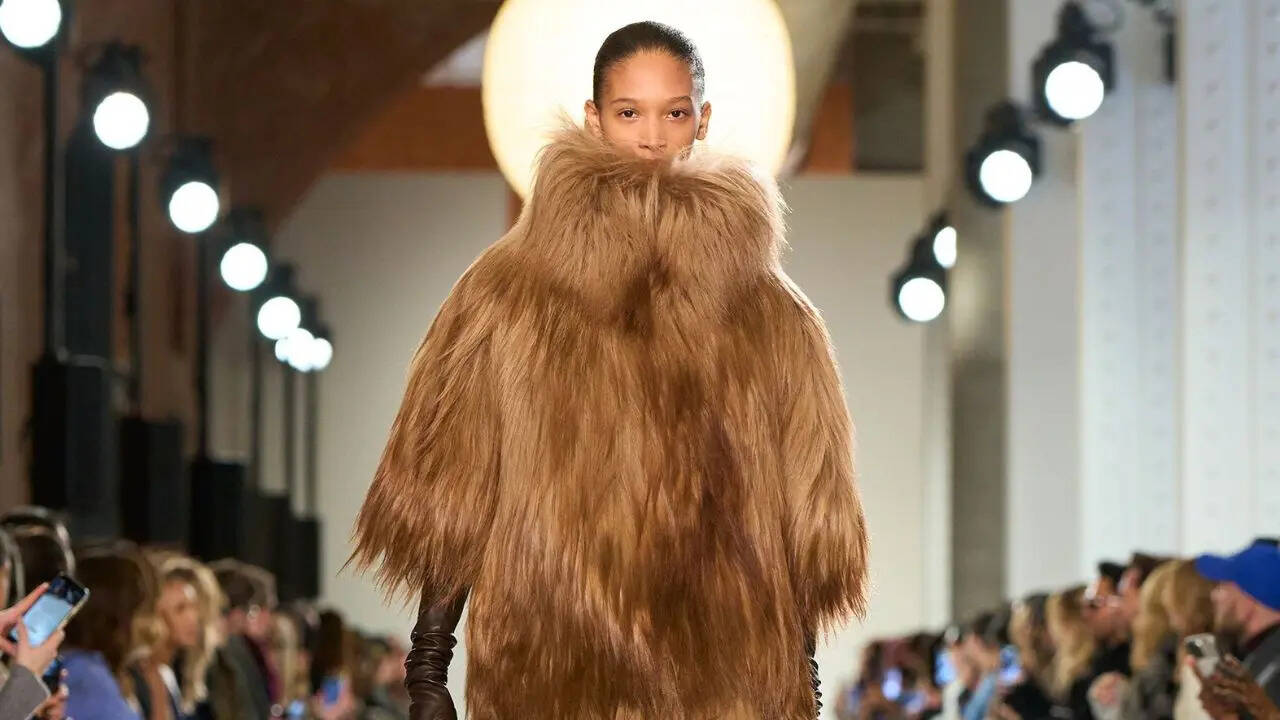
What exactly does this ban mean? Which materials end up on the blacklist, and which make it through the sieve of exceptions? And how are other fashion weeks responding to this move? Below you’ll find a precise outline of the rules, a list of approved alternatives, and specific examples of brands that are already committed to ethical production. Because the devil is in the details.
What does the “fur-free” policy at NYFW cover?
The CFDA policy is specific. The ban applies to fur obtained from farmed or trapped animals killed specifically for their pelts. This includes:
- walrus, fox, rabbit
- karakul lamb (astrakhan)
- chinchilla, coyote
- Asian raccoon dog (raccoon dog)
Importantly, the ban does NOT cover genuine leather, shearling (sheepskin with wool), or faux fur. These are significant exceptions, as shearling appears in collections just as often as fur.
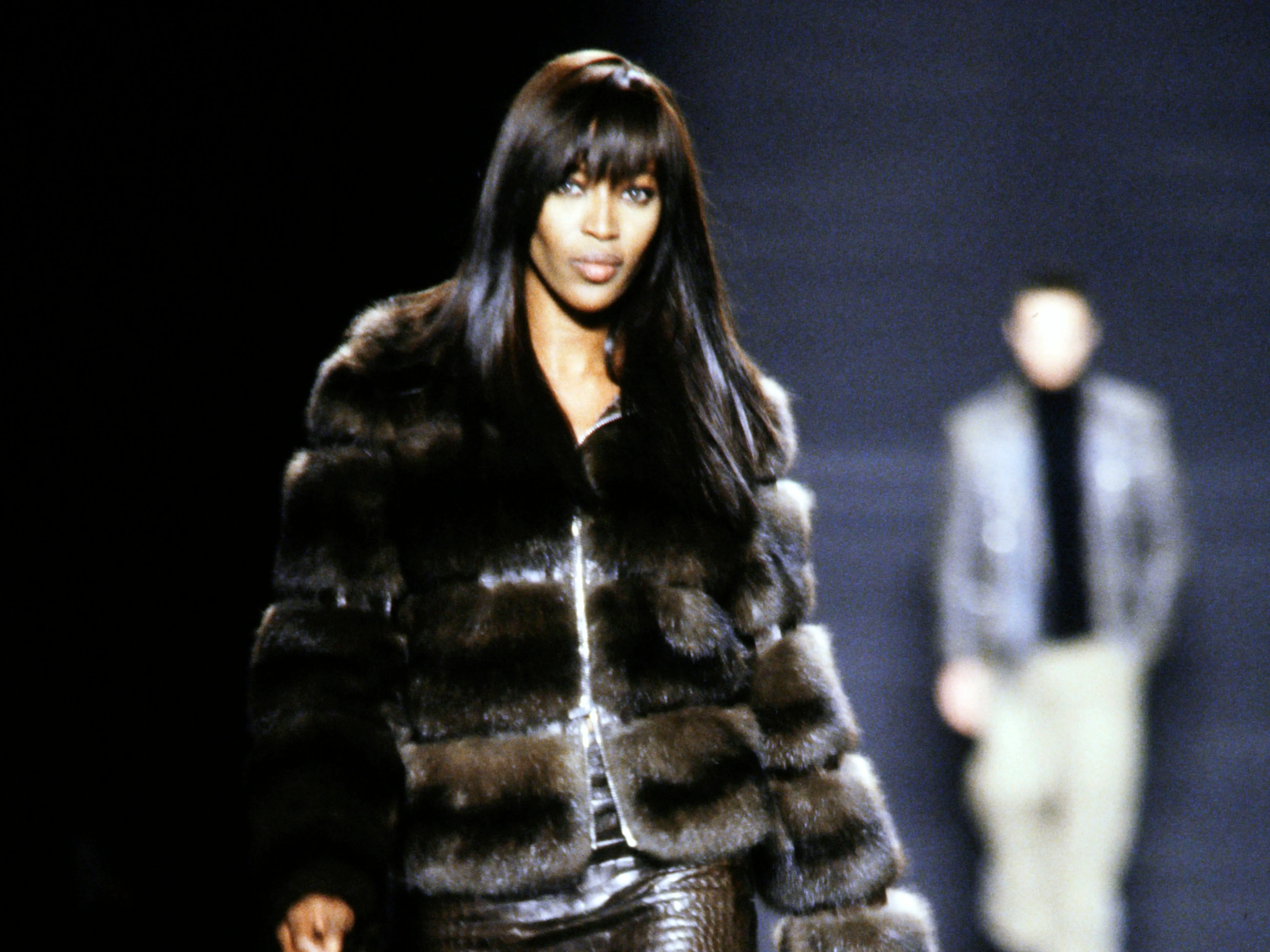
Cultural exception
There is one official exception. Indigenous communities may display furs obtained through traditional subsistence practices. This is a recognition of the cultural significance of these materials.
Where and when does it apply
The rule applies to all shows in the official NYFW calendar (about 300 annually) as well as CFDA promotional channels, social media, and the website. Shows outside this schedule? They are not subject to the policy.
The timeline looks like this:
| Date | Stage | What is changing |
|---|---|---|
| 12/03/2025 | Announcement | Official CFDA statement |
| February 2026 | FW26 | Ban on promotion on CFDA channels |
| September 2026 | SS27 | Full enforcement on the runways |
CFDA supports designers through the Materials Hub and Sustainability Resource Hub. The transition is intended to be smooth, although some brands lack time.
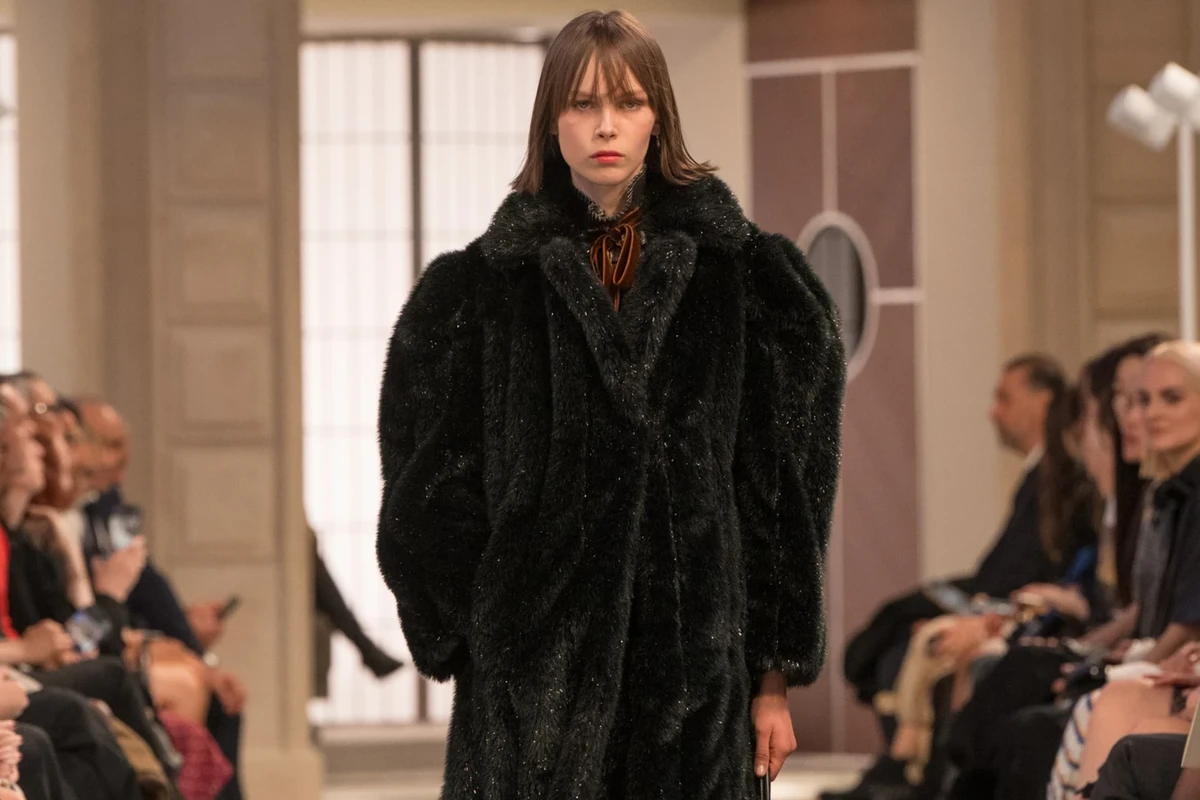
Context, pressure, and consequences for the fashion industry
Change didn’t happen overnight, but the pace in recent years has been truly impressive. London Fashion Week was the first major event to officially ban fur in 2018. Then things moved faster: Copenhagen in 2022, followed by Berlin, Stockholm, Amsterdam, Helsinki, and Melbourne a year later. In October 2025, Condé Nast announced that all magazines (Vogue, GQ) would stop featuring fur, and on December 3, CFDA joined the movement.
Who abandoned fur and what are the numbers
Over 1,600 brands have signed the Fur Free Alliance commitments. The most high-profile withdrawals? Gucci (2017), Chanel, Burberry, Armani, Michael Kors, Coach. Global fur production dropped by 40% between 2023 and 2024, and by as much as 85% since 2015. Number of farms in the EU: from 4,350 in 2018 to 1,088 in 2023. China has halved its production since 2022. On the other hand, the faux fur market is growing: USD 371.3 million (2023) is expected to reach 863 million by 2033.
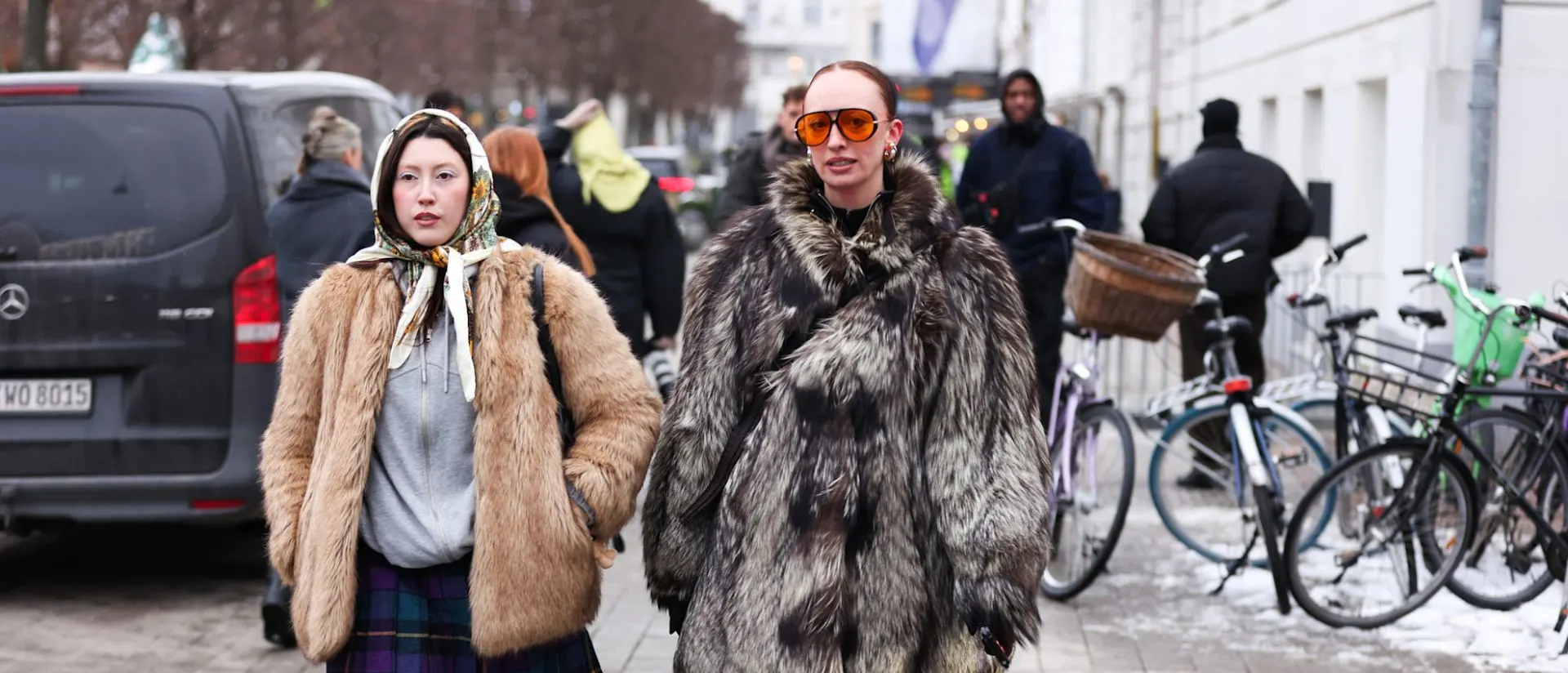
Voices for and against
Supporters of the ban (CFDA/Steven Kolb, HSI/Kitty Block, Collective Fashion Justice/Emma Håkansson) speak about ethics, sustainability, and innovation. Opponents (American Fur Council/Kim Salvo) emphasize the natural quality of the material, job losses, and restrictions on creative freedom. Geographically? Paris and Milan still allow fur, in March 2026 the EU will debate a ban on fur farms, and Poland banned breeding already in 2025.
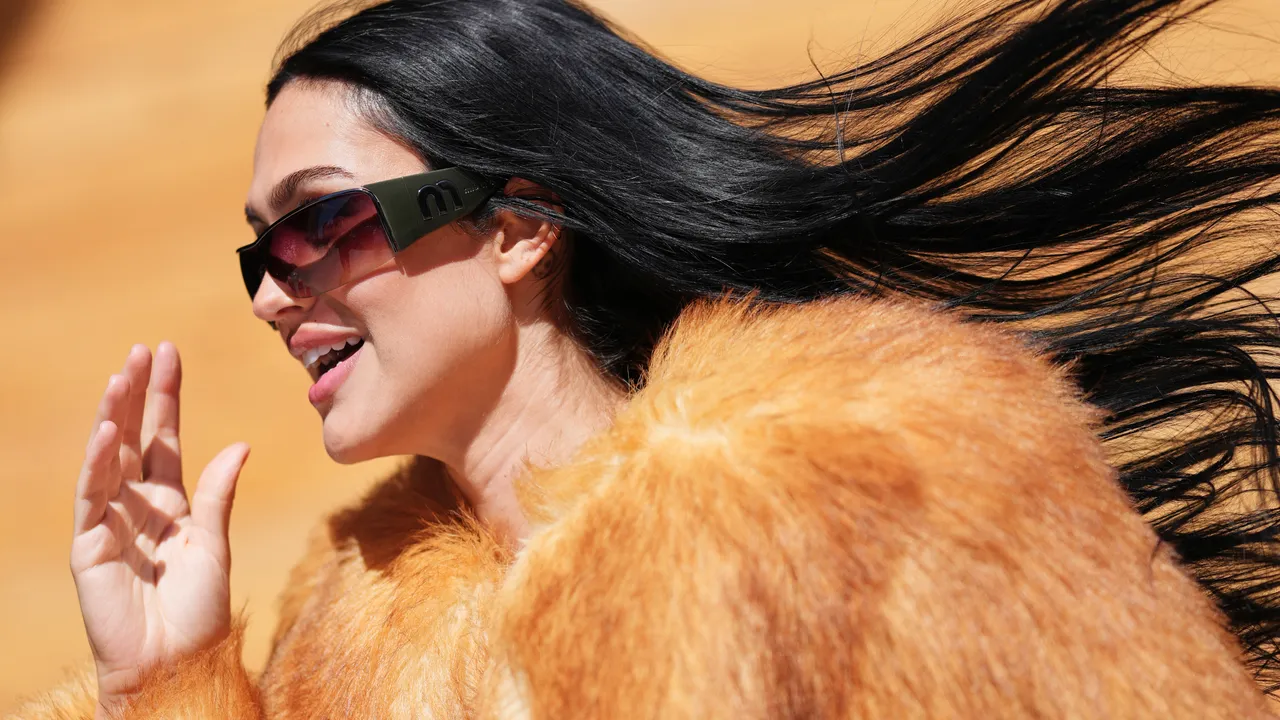
A new definition of luxury on the runway
The NYFW decision is about more than just banning a single material. It raises the question of what luxury truly means today. When designers turn to innovative plant-based fabrics or lab-grown alternatives, they demonstrate that sophistication doesn’t require cruelty as an accessory. Younger generations buy stories, not just clothes, and those stories must align with their values.
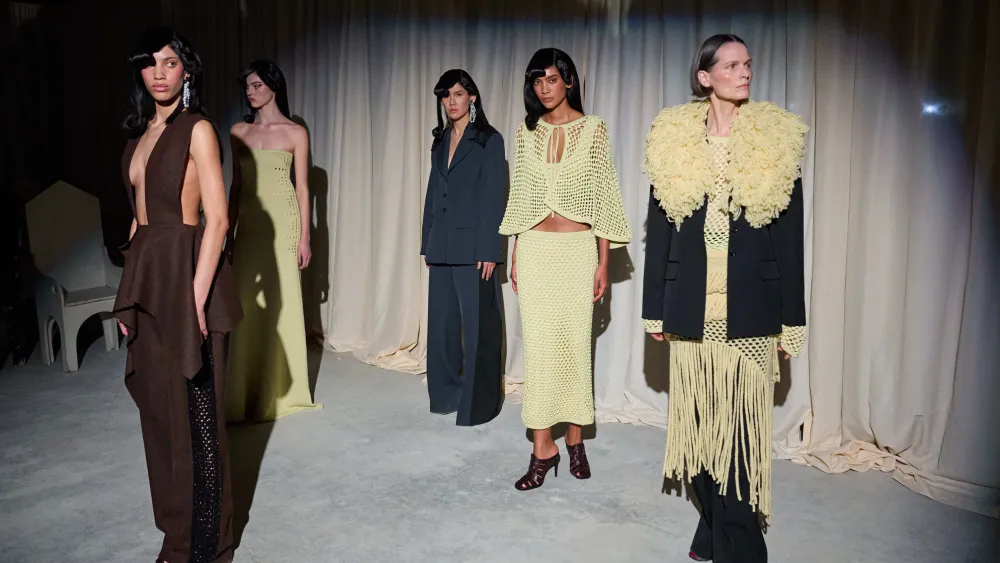
Fashion has always been a language of social change. Now it simply says something different than it did twenty years ago. Fur-free is not a sacrifice, but an evolution of what we consider desirable.
Klossi