
Birkin, Kelly, Constance. If you know even a little about the world of fashion, these names sound like a magic spell. And if you don’t? In a moment, you’ll understand why millions of women across the globe regard them as the “Holy Trinity” of luxury.
Each Hermès bag is crafted by a single artisan (more often a craftswoman) in a workshop somewhere in France. One person, 18 to even 40 hours of work, hand stitching, zero machine production. This is not marketing—it’s a real limitation of manufacturing capacity. Hermès simply cannot produce more, even if they wanted to.
And that’s exactly why BKC is more than just handbags. It’s a status symbol, an economic investment (prices increase by 6-10% annually), and proof that craftsmanship can still triumph over fast fashion trends. While the luxury goods market is slowing down, demand for these models continues to grow. A paradox? No. It’s simply that rarity combined with timeless design acts like a magnet.
You’re probably wondering what exactly sets these models apart and how much they actually cost in 2026. Let’s break it down step by step.
Hermès handbags
Knowing the BKC abbreviations comes in handy so you don’t get lost in conversations about Hermès. And so you know what sets apart a bag costing 30,000 from one costing 70,000, besides the price.
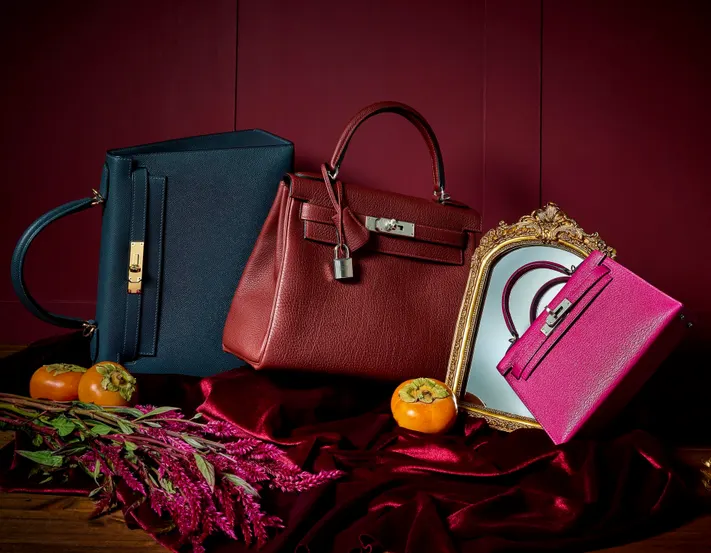
Birkin, Kelly, Constance
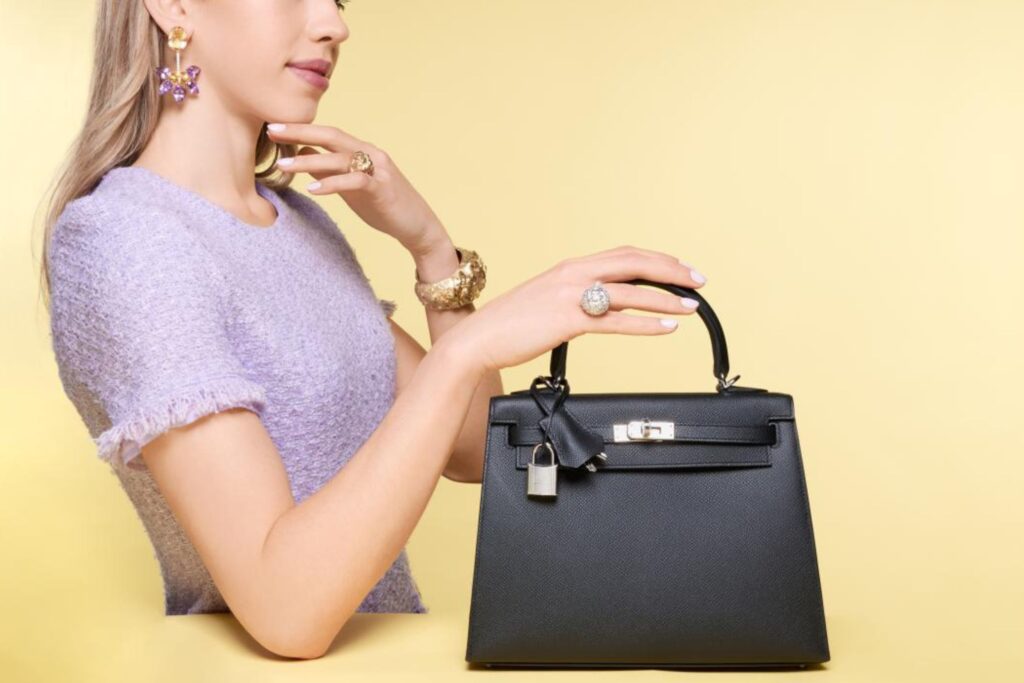
Kelly is actually the oldest design among the three. It was created in the 1930s (Robert Dumas), but owes its name to Grace Kelly, who used it to hide her baby bump from paparazzi in the 1950s. One handle, a rigid flap with a clasp, two construction options: Sellier (pressed, sharp edges) and Retournée (softer, more casual). Sizes 20, 25, 28, 32.
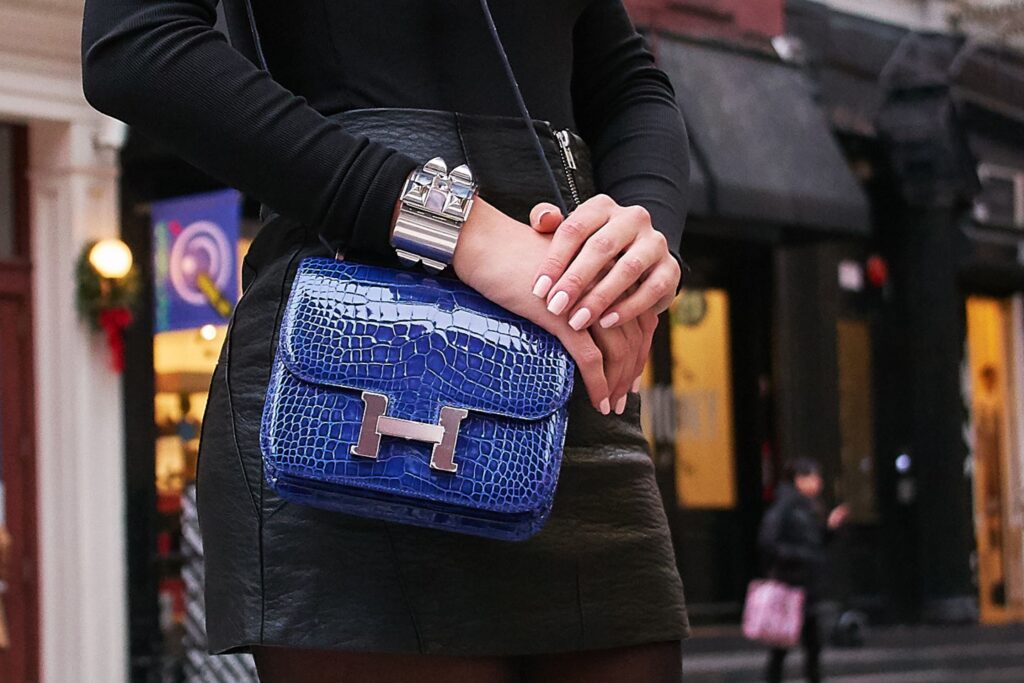
Constance debuted in 1967, designed by Catherine Chaillet. Adjustable strap, distinctive “H”-shaped clasp. Available in micro, mini, 24, and the elongated Élan sizes.
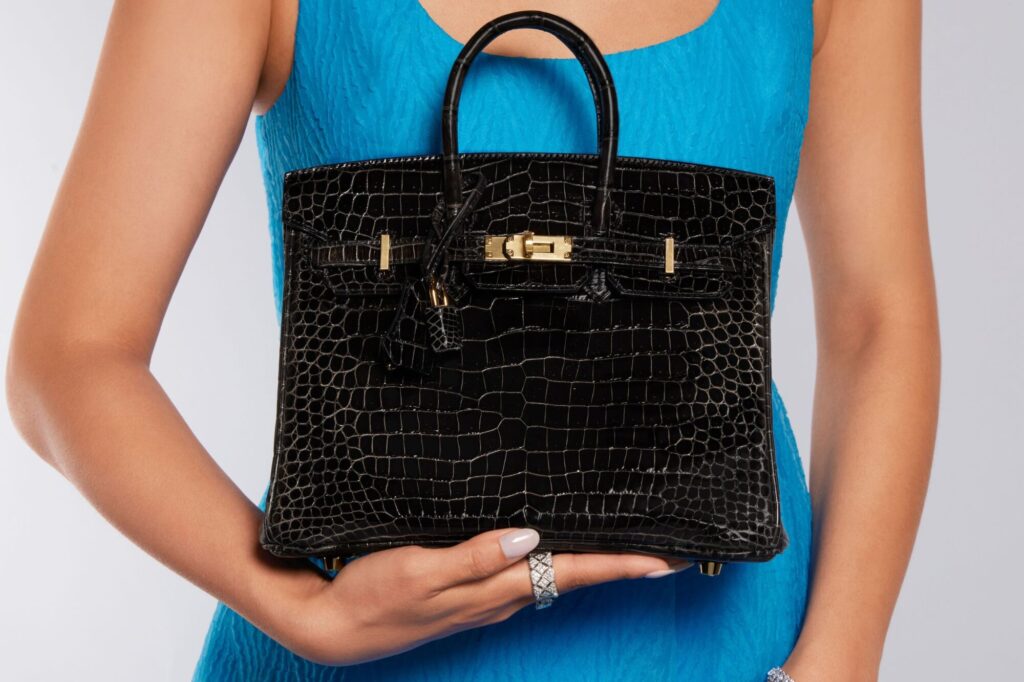
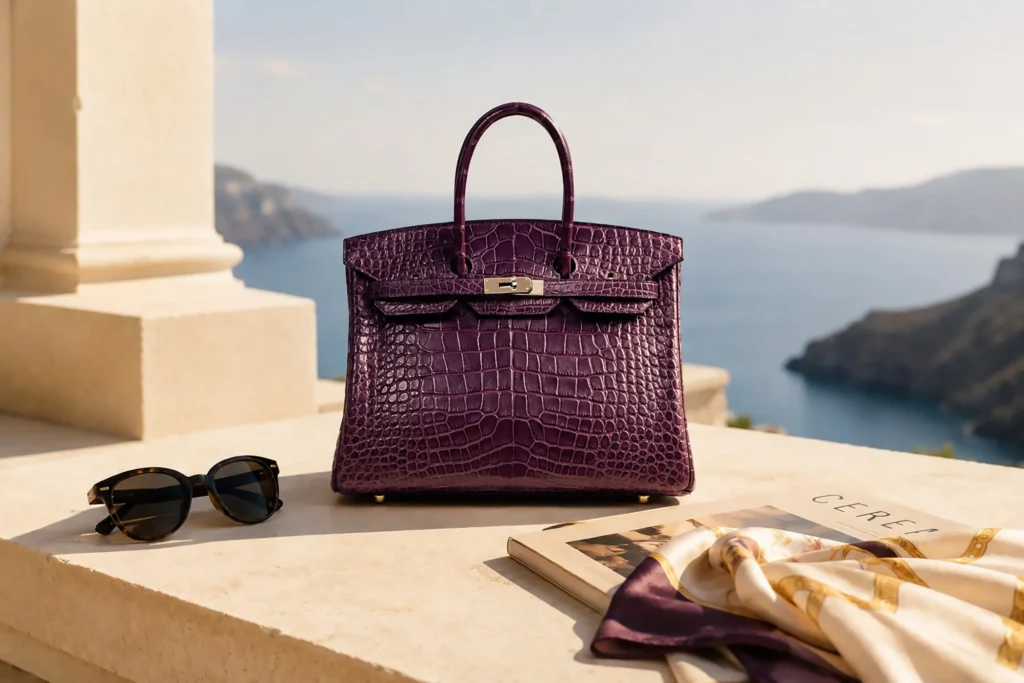
Birkin is the newest from BKC, dating back to 1984. The story of the flight with Jane Birkin and Jean-Louis Dumas has become legendary. Two handles, spacious interior, available in sizes 25, 30, 35, 40. Both practical and iconic.
Models outside BKC
- HAC (1892): the original Birkin, longer straps, travel DNA
- Bolide (1923): trapezoid with a zipper, created for car travel
- Picotin: a pouch inspired by a feed bucket
- Evelyne: flat cut, perforations forming an “H”, equestrian roots
Fittings? Gold or palladium, it changes the entire aesthetic.
Prices and availability 2026
If you’re wondering how much a Birkin or Kelly really costs, here are some figures from American boutiques (spring 2026):
| Model | Size/leather | Price (USD) |
|---|---|---|
| Birkin | 25 cm, Togo | ~13,500 |
| Birkin | 30 cm, Togo | ~14,900 |
| Birkin | 35 cm, Togo | ~16,300 |
| Mini Kelly | 20 cm, Epsom | ~11,400 |
| Kelly | 25 cm, Togo/Epsom | ~13,700 |
| Kelly | 28 cm | 14,400-15,400 |
Remember, these amounts are just a starting point. Prices increase by 6-10% every year, sometimes more. In Europe, it can be more favorable, although the differences are becoming less noticeable.
What determines the price?
Leather makes a huge difference. Togo and Epsom are standard, while Swift or Box increase the price, but the real leap comes with exotics: crocodile, alligator, ostrich, lizard. Then we’re talking about several times the base rates, plus you’ll need a CITES certificate. Construction (Sellier vs Retournée) and hardware (gold, palladium) also affect the valuation.
And availability? BKC are the famous “quota bags,” which means: you’ll get them when the boutique decides you have a purchase history and relationship. Non-quota (Picotin, Evelyne, Lindy, Bolide, Herbag, Garden Party) are easier to buy. Although even here it varies—each boutique has its own rules. So treat these numbers as approximate; the final decision always belongs to the store.
Class that never fades
Hermès bags are a blend of heritage dating back to the 19th century and the relevance of contemporary fashion. It’s not just about an investment portfolio or material luxury, although the value of the Birkin or Kelly speaks for itself. It’s more a choice of a certain philosophy that prioritizes craftsmanship, harmony between artistry and practicality, and understated elegance.
When the fashion world chases after the latest trends, Hermès stays true to itself. And that’s exactly what makes these bags remain coveted for decades, no matter what the runways dictate at the moment. It’s no coincidence that a Birkin from the ’80s looks just as good today as one bought this season.
din din MOORA
lifestyle editorial team
HCF