
On December 12, 2024, Chanel announced what many industry observers considered the most anticipated personnel decision in the fashion world. Matthieu Blazy, born on June 27, 1984, has become the brand’s new artistic director. He will officially assume the position in 2025 and will be responsible for:
- haute couture
- ready-to-wear
- accessories
- all related product lines
Sounds like a standard changing of the guard? Not necessarily. Blazy is only the fourth designer in the history of this position, after Gabrielle Chanel, Karl Lagerfeld (1983-2019), and Virginie Viard (2019-2024). More importantly, he is the first “outsider” artistic director since Lagerfeld took the helm over 40 years ago.
The management of Chanel called him “one of the most gifted designers of his generation.” High expectations, considering the brand produces around 10 collections a year. The challenge lies in offering a fresh interpretation of iconic codes without diluting the brand’s DNA. Who exactly is behind this nomination, and what has Blazy brought with him from previous fashion houses? More on that below.
From La Cambre to Rue Cambon
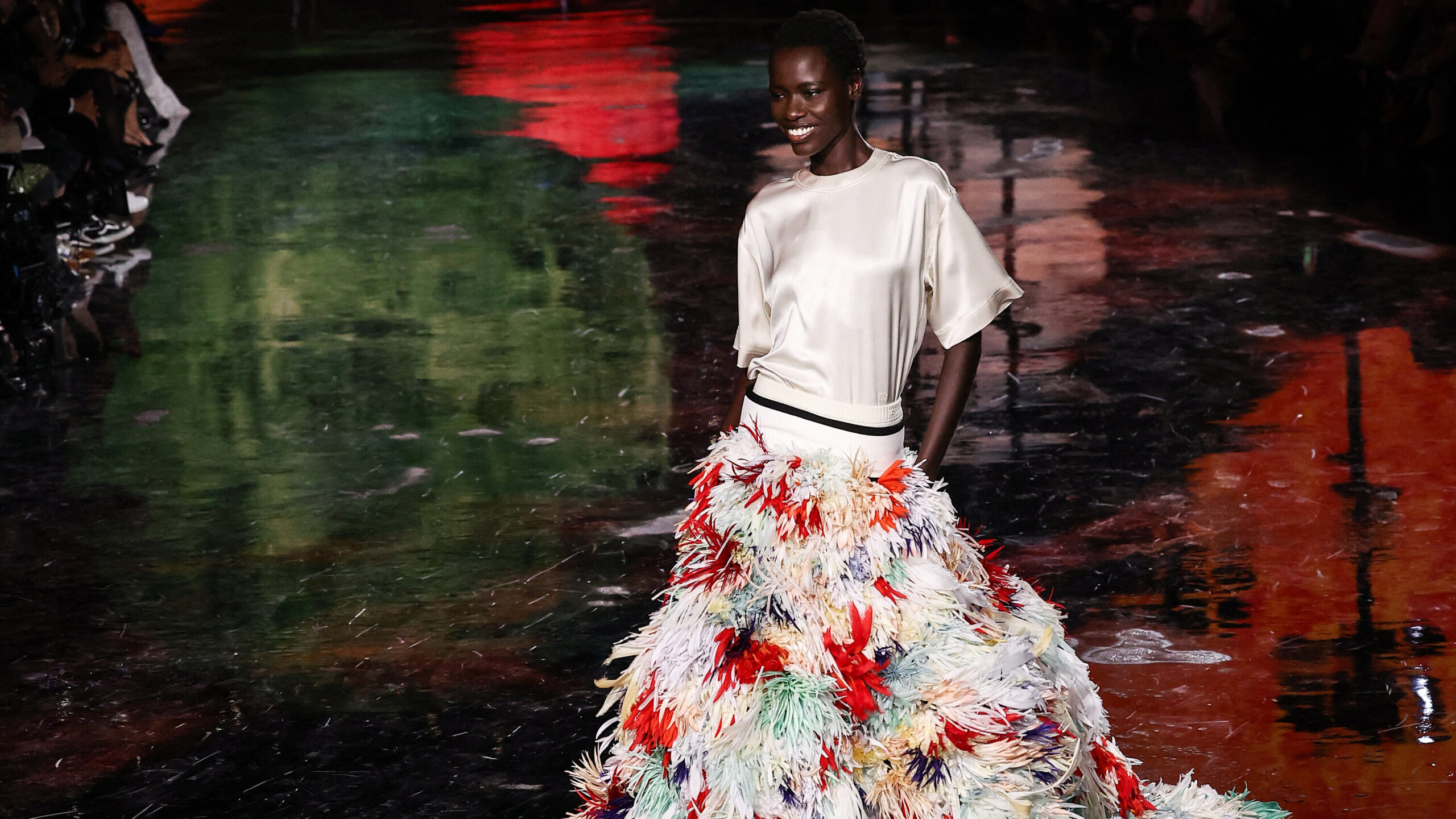
Matthieu Blazy is a designer with Belgian-French roots, born in Paris. He previously studied at Pangbourne College, but his true formation began at La Cambre (Brussels), where he graduated around 2007. Family influences—art and craftsmanship—shaped his sensitivity to materials and details. Right after school, he joined Raf Simons (2007) and also interned at Balenciaga and with John Galliano. It was then that he learned fashion is a balance between vision and construction.
From Margiela to Bottega
At Maison Martin Margiela (since 2011), Blazy worked behind the scenes until Suzy Menkes revealed him publicly after the Artisanal collection in 2014. Later at Céline under Phoebe Philo, he was responsible for pre-collections. Calvin Klein (2016-2019) under Raf Simons was a lesson in the pragmatism of the US market.
Breakthrough? Bottega Veneta. Promoted to creative director in November 2021, first collection in February 2022. Icons: “Kalimero” and “Andiamo” bags, trompe-l’œil leather pants styled to look like denim. Vanessa Friedman dubbed him the ” Magician of Milan “. He left in December 2024 to join Chanel.
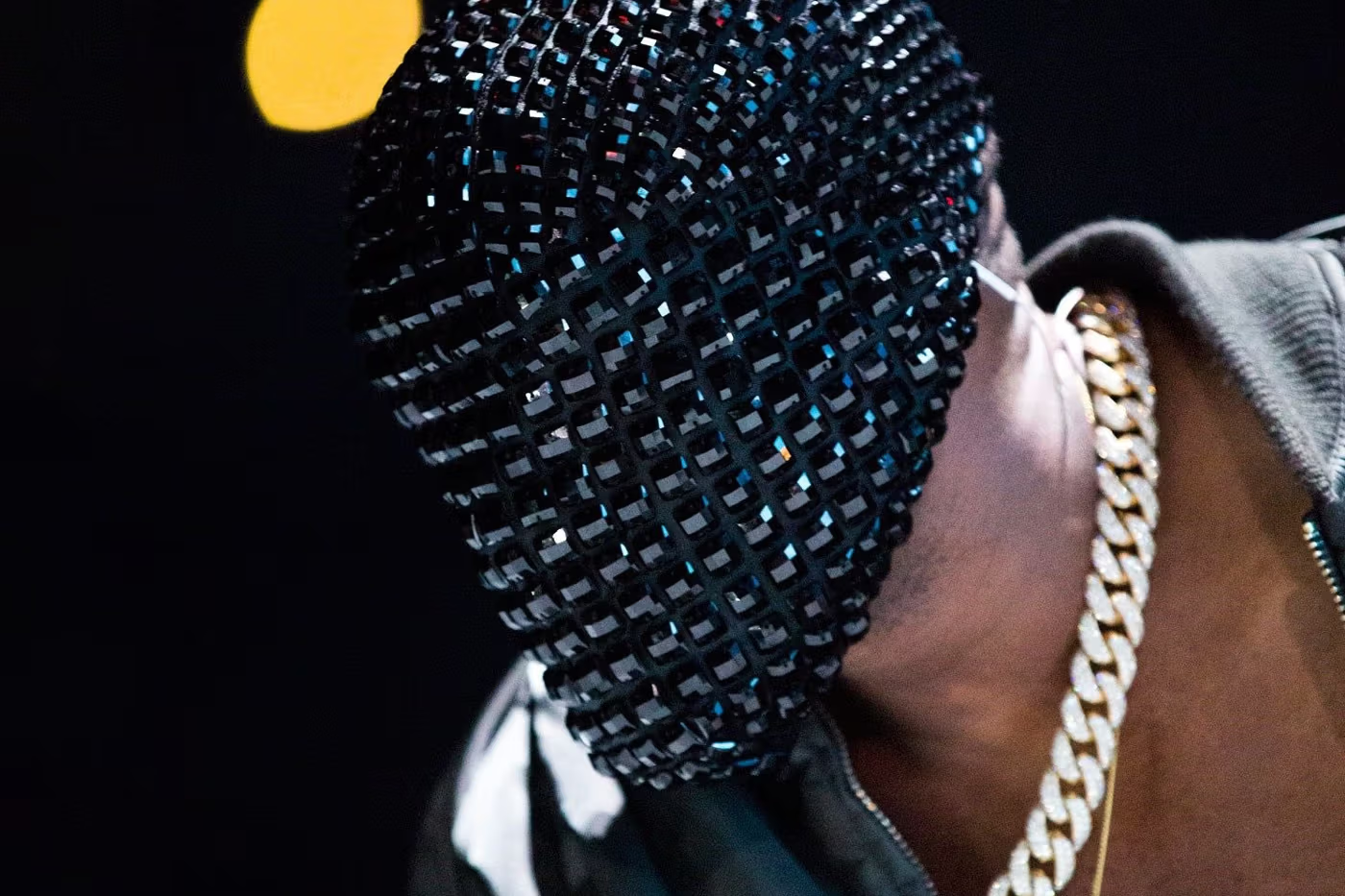
Fun fact: he designed the “Yeezus” mask for Kanye West in 2013. He draws inspiration from Tom Sawyer and loves to experiment with materials. He is a designer who knows how to combine fantasy with craftsmanship.
A new era on the runway and in boutiques
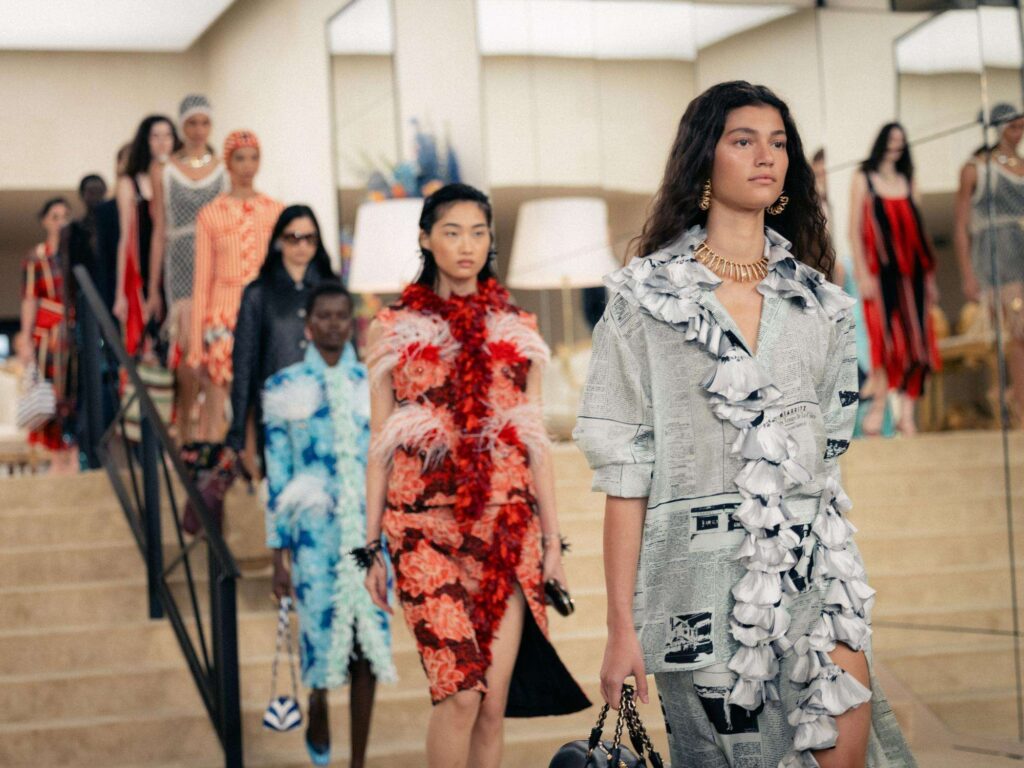
Blazy transformed Chanel in just over a year, but he did so decisively: with the pace, scale, and precision of his staging. His shows stopped being ceremonies for insiders and became events that were talked about the next day on several levels at once.
Shows that raised the bar
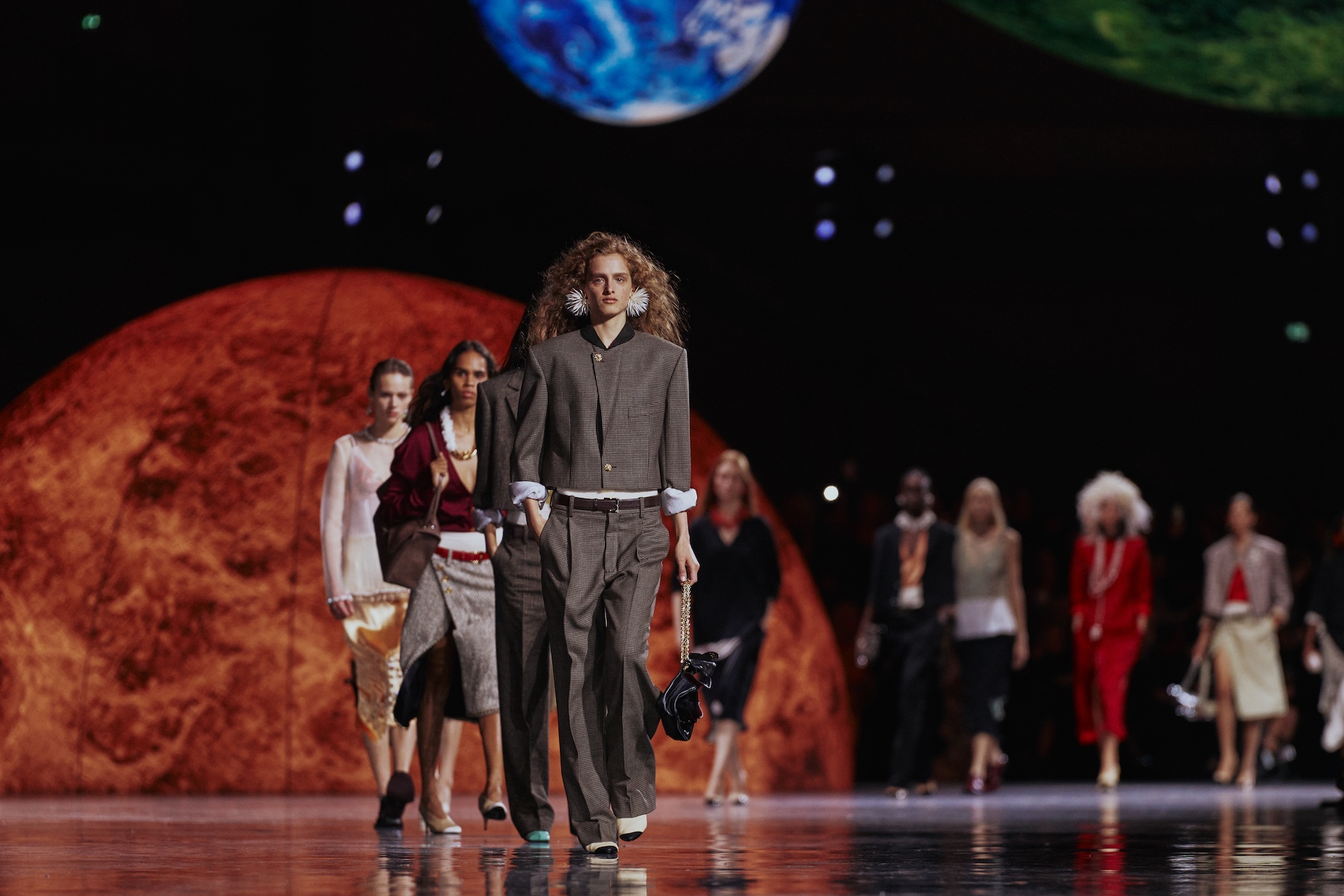
The SS2026 debut (10.2025, Grand Palais) was a Big Bang in the literal sense: a cosmic installation, three chapters (Universal, Le Jour, evening sensuality), and the phrase ” masterclass in modernising ” echoed in critics’ notes. Métiers d’Art 2026 (12.2025) brought French craftsmanship to the New York subway—exciting and unpretentious. Couture (01.2026) was called “the lightest couture show ever,” which sounds like a revolution in a house where tradition used to weigh kilos.
the lightest couture show ever
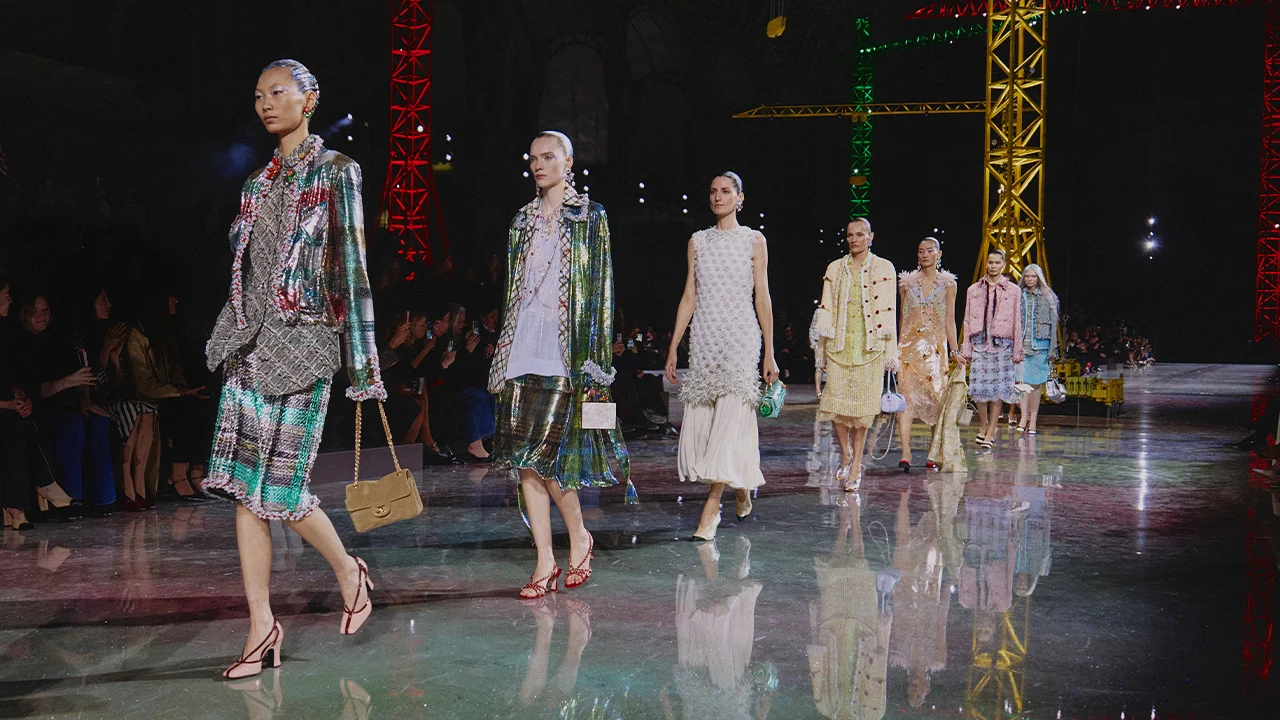
FW2026 (03.2026) brought day-night, the “butterfly effect,” cranes on stage and oversized tweeds, metallic shoes, jersey. Blazy showed that you can take the codes (tweed, pearls, quilting) and not treat them like relics.
Lightness, language, and demand
He collaborates with Richard Peduzzi (set design), Michel Gondry ( film with Margaret Qualley and A$AP Rocky), with music by Le Motel and Michel Gaubert. The result? Chanel’s revenues in 2025 reach $19.3 billion. In the second half of 2025 and throughout 2026, they record strong high single-digit growth, with plans for around 30 new stores. The term “Chanelmania” emerges. On Instagram, @matthieu_blazy is followed by about 733,000 people. This isn’t euphoria—it’s demand for new classics.
Heritage in motion
Blazy is not taking over a house that stands still. Chanel has been balancing for years between the cult of the past and the pressure of the present, and it is precisely this movement, this constant negotiation between Gabrielle and Karl and everything that came after, that defines the identity of the brand. The new creative director enters a structure that is already in motion, and his task is not to stop this process, but to give it a new direction.
It is precisely this ability to carry on a legacy in a changing world that may prove to be Blazy’s greatest asset for Chanel. The fashion house needs someone who understands that history is not a burden, but a fuel.
NO
lifestyle editorial team
H