
Are you looking for a Hermès sale? You can stop now. Hermès does not hold public sales, outlets, or broad discounts. This is not a matter of season or location; it’s a strategy embedded in the brand’s DNA for decades.
Interestingly, the financial results show that this strategy is working stronger than ever. In 2023, the brand achieved €13.4 billion in revenue, and forecasts for 2025 already point to €16 billion. Operating margin? Around 41%. For comparison, most luxury brands hover somewhere between 20-30%. Hermès earns more precisely because it does not lower prices.
Why does the topic keep coming up? Because Instagram, TikTok, and Reddit are buzzing with theories about “secret sales” and “private events.” People see photos from boutiques in Warsaw or from hermes.com/pl and wonder: am I missing something?
You’re not missing out. There is a difference between “no public sales” and “private events for VIPs,” and I’ll explain it in a moment. But if you’re thinking of a classic sale with red tags and 50% off, the answer is: there aren’t any and there won’t be.
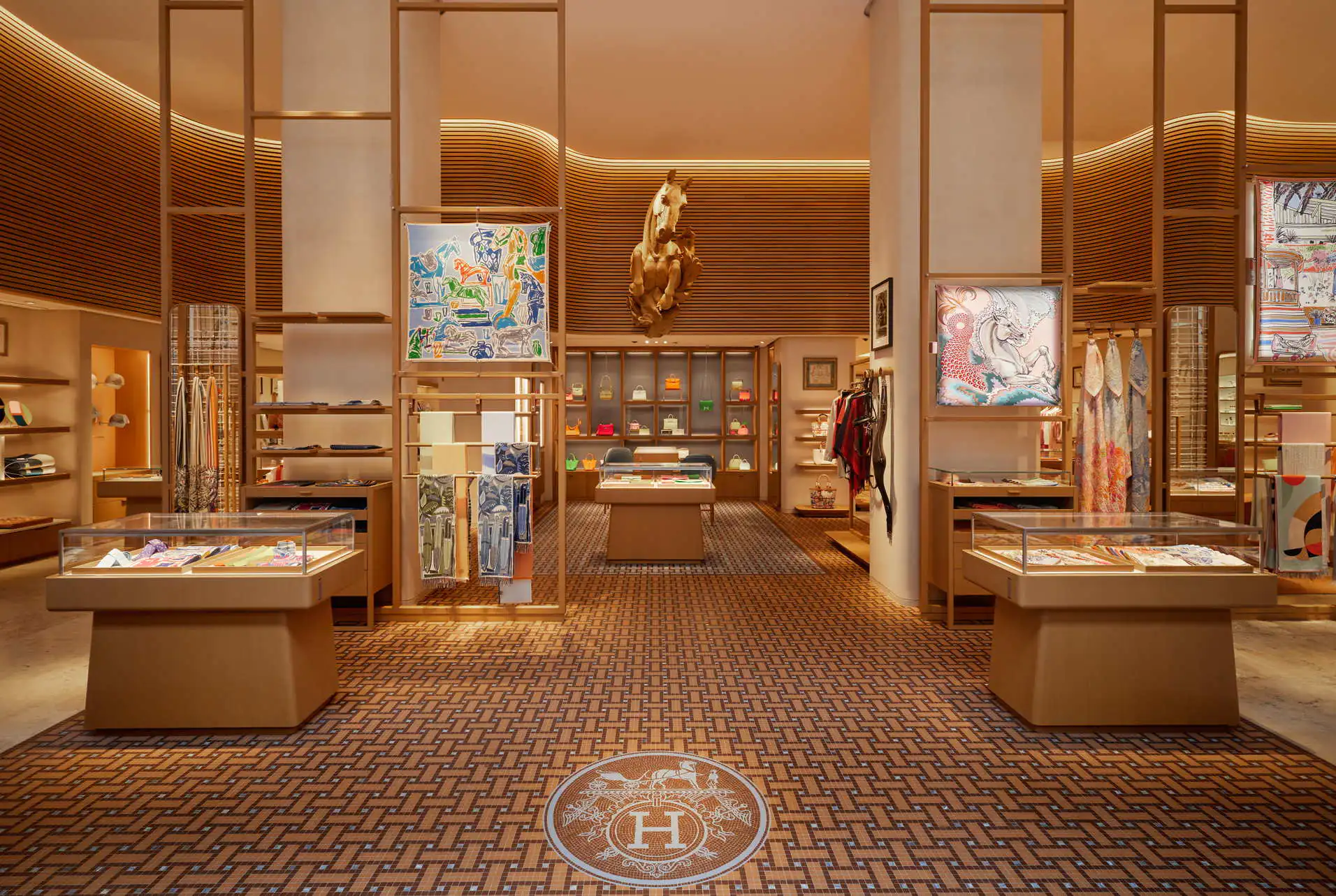
Why doesn’t Hermès have sales?
If you’re looking for a Birkin bag at a reduced price on the Hermès website, you can stop now. You won’t find it there. Or anywhere else publicly.
No public reductions
Hermès does not hold sales that you can simply walk into. There are no outlets under the brand’s name. There is no Black Friday. There is no “sale” section on hermes.com. This policy is global and applies in Poland just as it does in Paris or New York. It’s not a matter of availability in a given country; it’s simply a company rule.
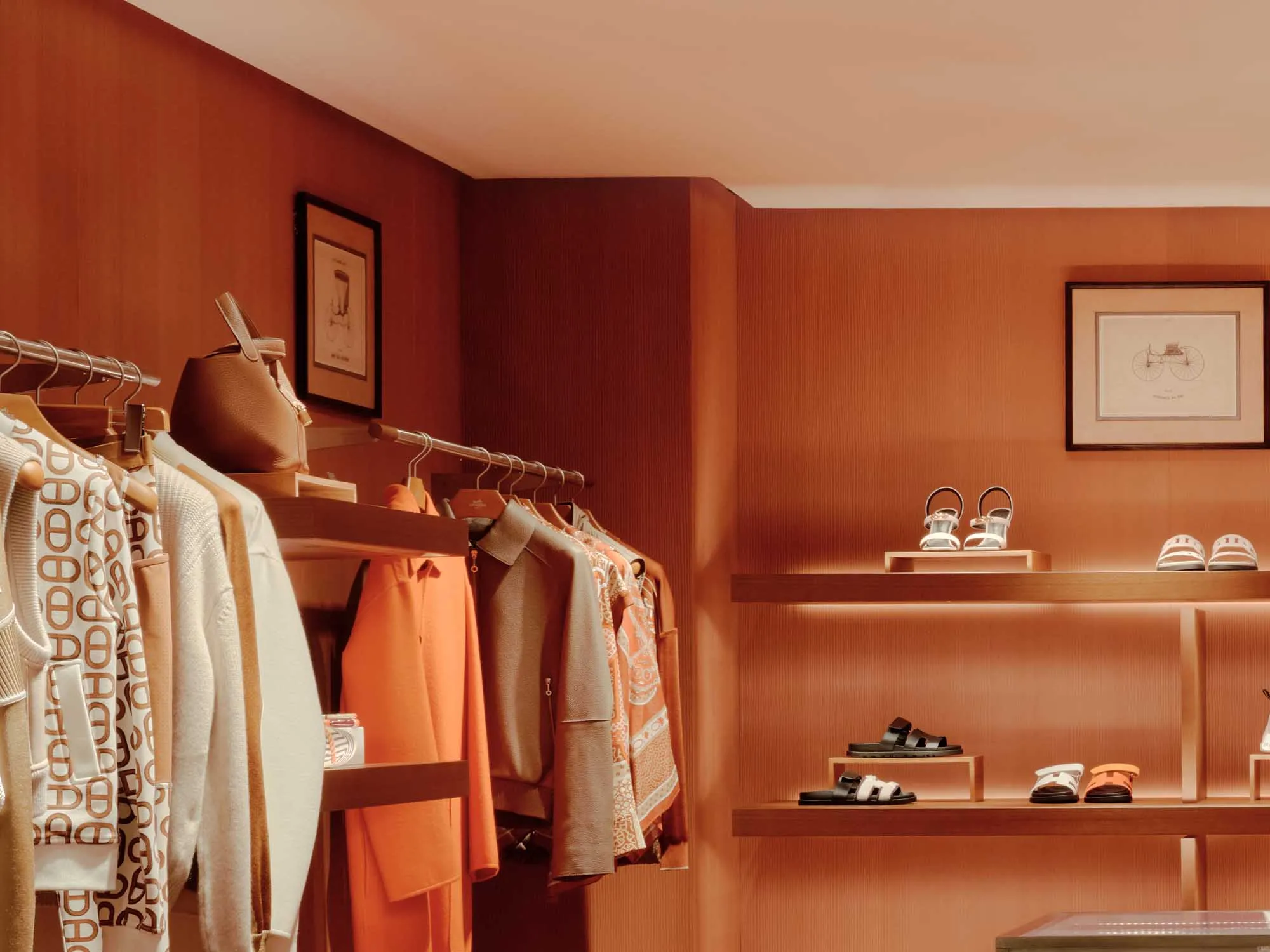
What does it really look like?
Alright, but what about those legendary private sales? They do exist. It’s just that “private” means exactly what it says. Access is granted to selected clients with a purchase history, who receive an invitation from their sales associate. No announcements, no public exposure.
| Publicly | Privately (sample sale) |
|---|---|
| No access | By invitation only |
| No discounts | Usually 50-70% off |
| All categories unavailable | Mainly RTW, silk, shoes, home |
| No events | Occasionally, various cities |
The rules can be strict: identity verification, no photos allowed, assigned time slots, sometimes even a ban on entering with a companion. And those famous quota bags (Birkin, Kelly)? They rarely, if ever, appear at such events. It’s usually the non-iconic categories that fly off the shelves.
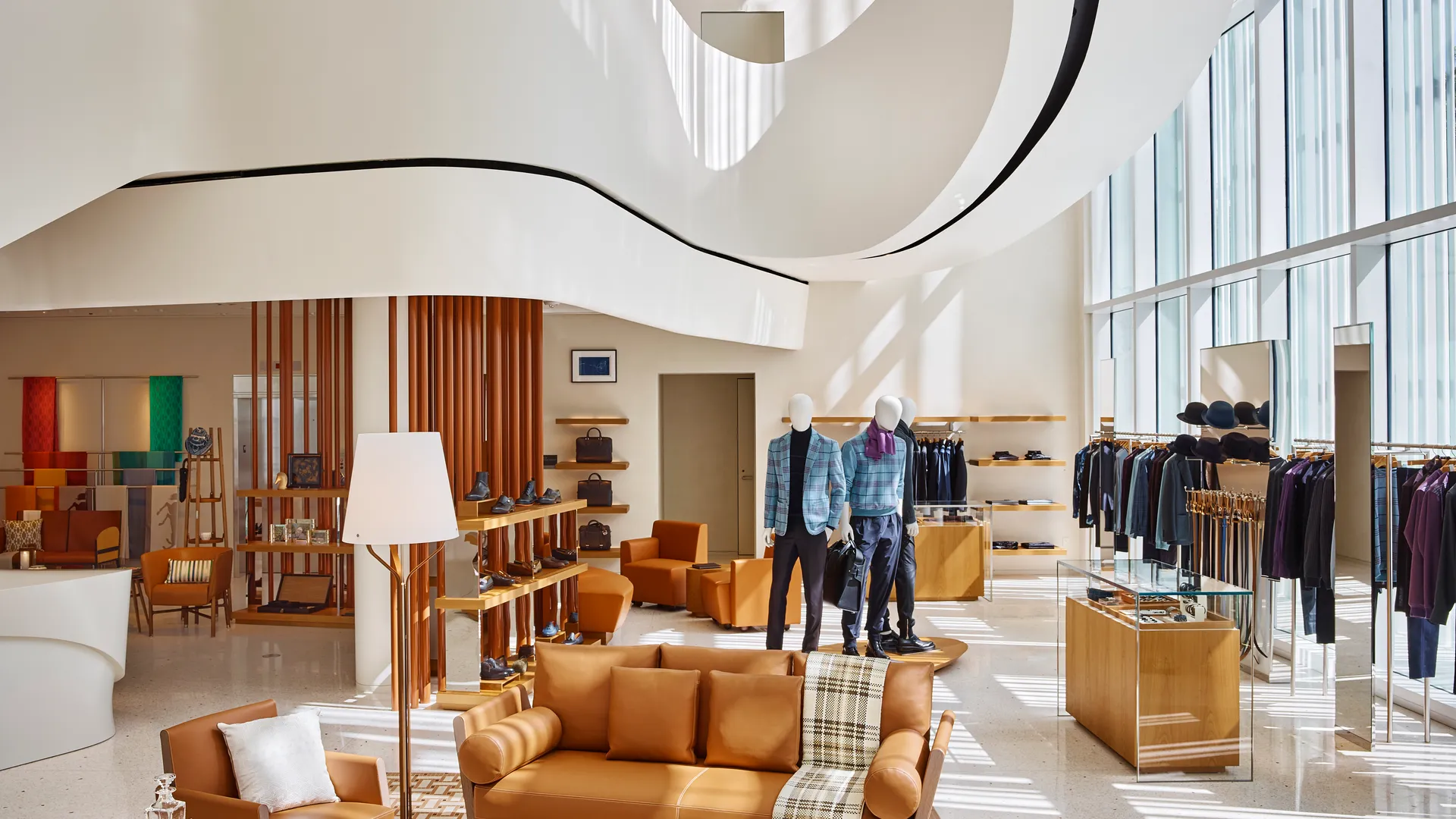
Invitations cannot be “begged for.” They result from relationships and actual purchases, not wishes.
Why does it work?
Hermès plays on a basic human weakness: the harder something is to get, the more we want it. This is no accident—it’s Veblen goods economics in its purest form. When the price goes up, demand doesn’t fall, it actually… rises too. Why? Because a high price becomes proof of exclusivity in itself. When a Birkin costs €10,000 and a Kelly €12,000, you’re not looking for a discount. You buy prestige at full price, or not at all.
Economy of scarcity
The mechanism is simple: rarity × full price = desire. Hermès produces limited volumes mainly in France (over 60 locations, around 7,000 artisans), which physically prevents mass production. The absence of outlets and sales protects the brand’s equity and the residual value of the bags. Industry rumors speak of surplus disposal, although the company rarely comments on this officially. The result? Iconic models often appreciate 2× or more on the secondary market, reinforcing the perception of an “investment,” not just a purchase.
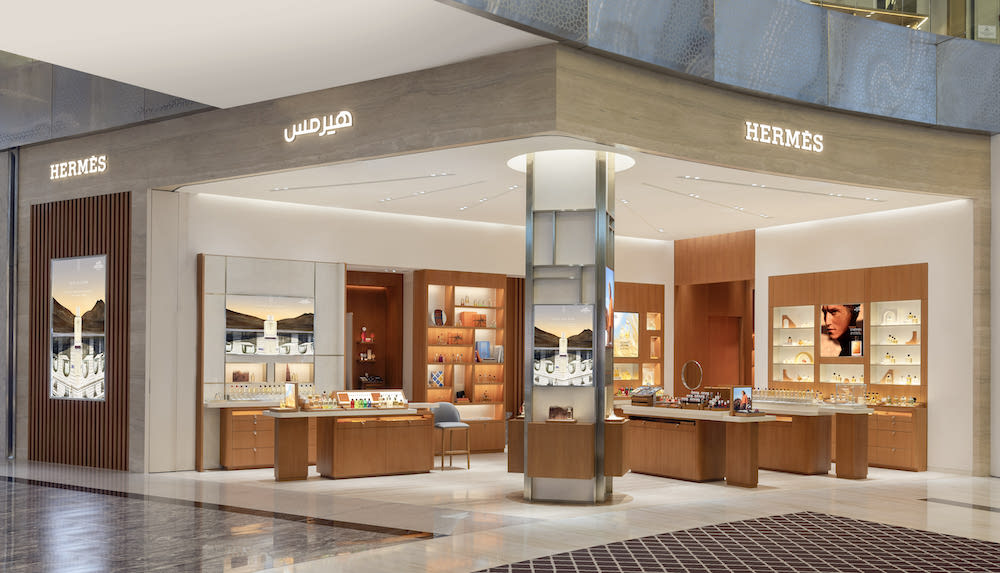
Value without promotion
The numbers speak for themselves: revenue of €16 billion in 2025, operating margin around 41%, planned modest price increases of about 5-6%. No sales, no discounts, growth continues. Of course, not everyone loves this. Criticism of elitism and “tying” practices ( you have to buy X to get Y) have led to lawsuits in the US, but the no-promotion policy? It hasn’t budged.
Exclusivity is a model, not a seasonal campaign
Hermès shows that luxury is not just a product, but above all a consistent vision. The absence of sales is not a whim or an attempt to appear superior, but a natural result of a business model that has always prioritized value over volume. The brand proves that it is possible to avoid the race to the bottom on price and still continue to grow.
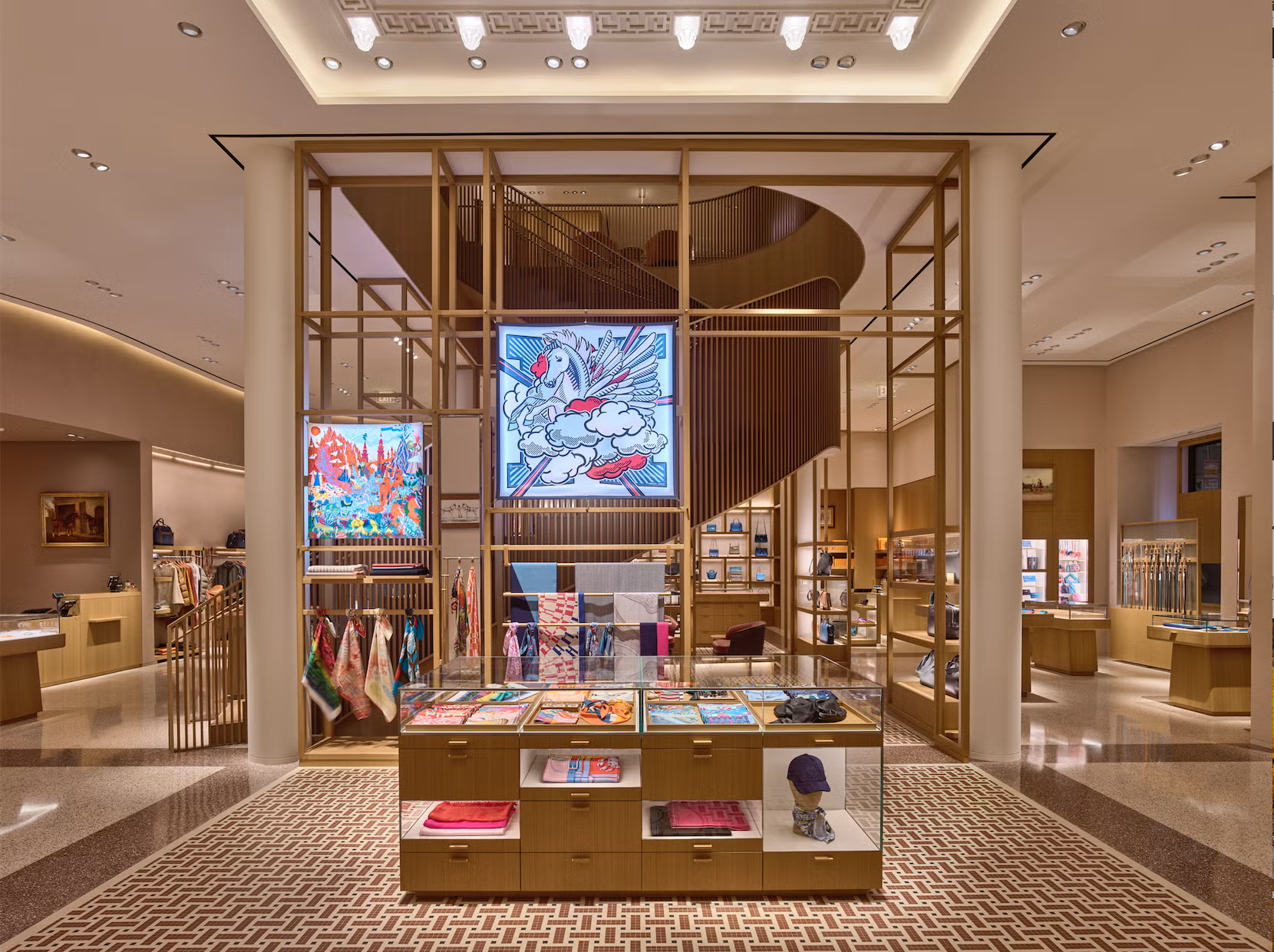
In a world where most brands regularly try to convince us that a “unique opportunity” comes around every month, such an attitude seems almost rebellious. But that’s exactly why it works. Customers can feel the difference between true exclusivity and a marketing trick with a “premium” label.
Jimmy
HCF editorial team