
The scent of old New York had something of a film noir about it—a hypnotic blend of ambition, elegance, and the pursuit of prestige. The history of Tiffany & Co. is a story of timeless luxury that never had to shout to be noticed. In a world saturated with logos, this legendary brand has proven that true class lies in subtlety and consistency. Today, it’s hard to imagine culture without the iconic blue box—a global symbol of dreams captured in the sparkle of diamonds.
The history of the Tiffany & Co. brand, or how a legend is born
Although today Tiffany & Co. is associated with Hollywood glamour and the world’s most expensive diamonds, the beginnings of this empire were surprisingly modest. It all started in 1837 in Manhattan, where Charles Lewis Tiffany and John B. Young opened a small boutique offering stationery and small luxury leather goods. Nineteenth-century New York was only just beginning to build its identity as a global capital of style. However, the founders of the brand quickly grasped a key marketing principle: the future belongs to those who can sell dreams rather than objects. From its very first day, the company set itself apart from the competition with uncompromising attention to aesthetics, proving that even everyday details can bear the hallmarks of art.
The true milestone in the brand’s history turned out to be the import of rare European silverware and unique valuables, which perfectly matched the refined tastes of the emerging New York elite. By the mid-19th century, the Tiffany name was already spoken with reverence among America’s most influential families. Charles Tiffany proved to be a brilliant visionary and a pioneer in the psychology of luxury. He understood perfectly that true premium is born at the intersection of limited availability, flawless selection, and the celebration of the very act of purchase. It was during those years that the ironclad foundations of exclusivity strategy were forged—foundations that the most powerful fashion houses still draw upon today.
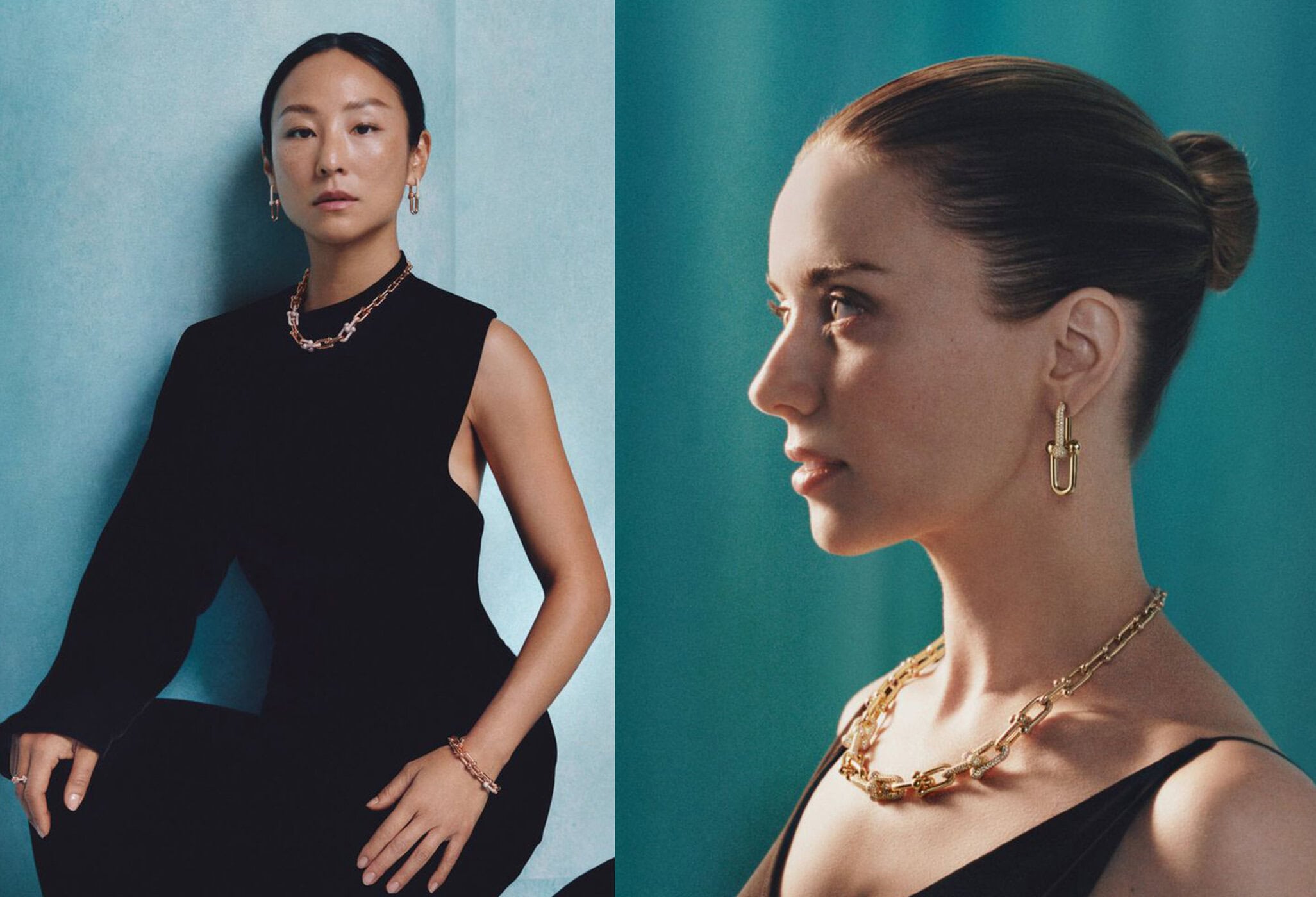
In this process of building a legend, the brand’s timeless visual identity played a key role. The famous shade of blue, now known worldwide as “”, made its debut on the cover of the catalog in 1845. Immediately after, it quickly became synonymous with the highest elegance without ostentation. The choice of this color was no accident; it was meant to evoke associations with freshness, luxury, and absolute uniqueness. While other jewelry houses focused solely on craftsmanship, Tiffany & Co. created its own coherent world of values and emotions.
Diamonds that changed the world of fashion
The true milestone that elevated the brand to the jewelry Olympus was its uncompromising revolution in the diamond jewelry segment. Tiffany & Co. was the first American company to introduce rigorous standards for evaluating gemstone quality. Over time, these became the official benchmark for the entire global industry. It was in the New York workshops that the legendary, revolutionary “Tiffany Setting” was born. This ingenious method sets the diamond in an engagement ring using six delicate prongs. The innovation lifts the stone above the band, allowing light to pass through it from every angle and unleashing its maximum brilliance. Although this masterful architectural solution is now copied by jewelers worldwide, its original version will forever remain a symbol of the brand’s engineering and aesthetic genius.
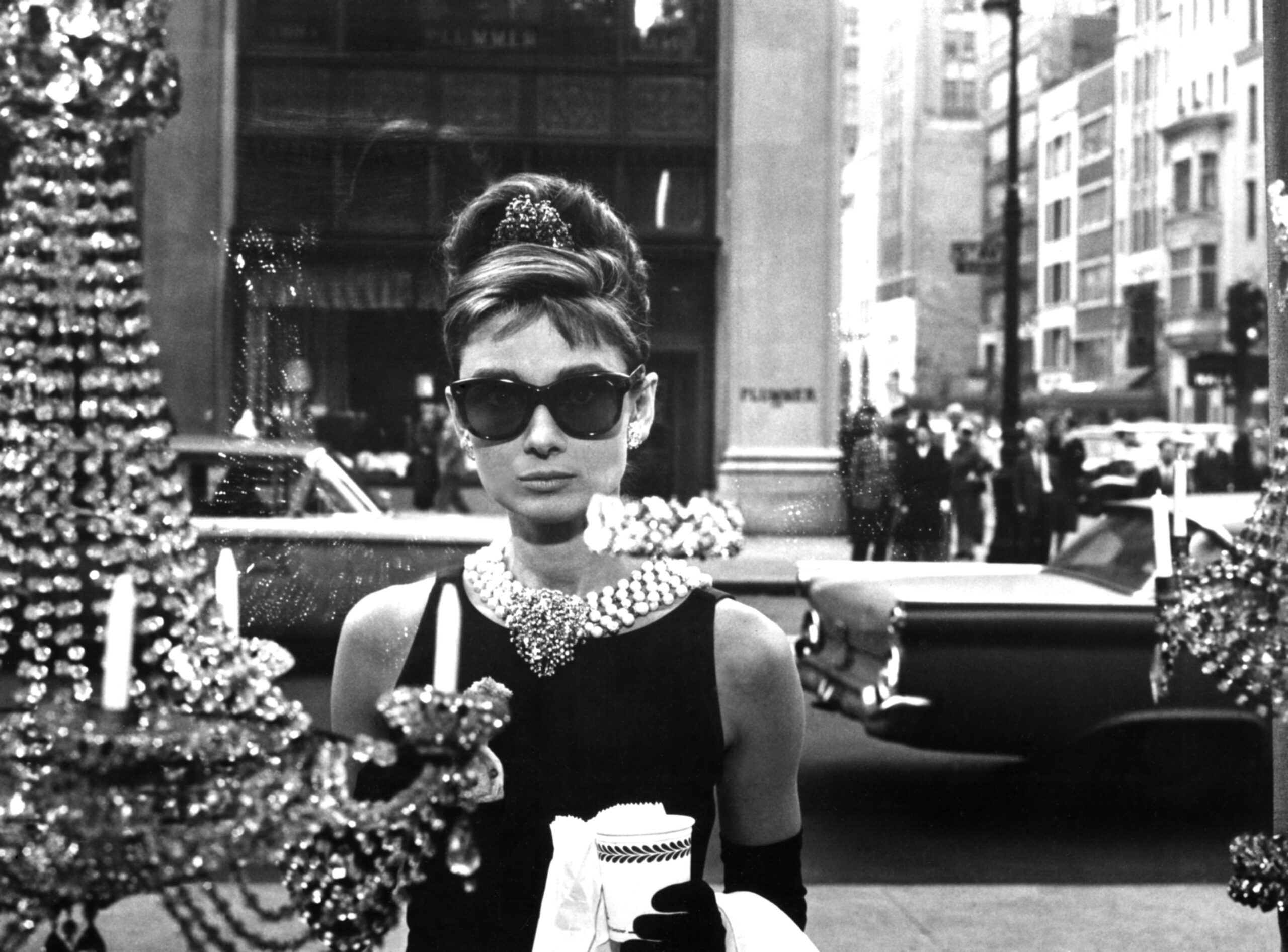
In the 20th century, the power of the brand’s diamonds became intertwined with the history of pop culture and the destinies of the most illustrious social and cultural elites, cementing the brand’s status as the ultimate symbol of success. Jewelry from the blue box adorned the necklines of first ladies, European aristocracy, and icons of Hollywood’s Golden Age. The spectacular culmination of this phenomenon was also the iconic film “Breakfast at Tiffany’s” starring Audrey Hepburn. From that moment, the flagship salon on Fifth Avenue ceased to be merely an exclusive boutique. It became a mecca for fashion lovers and a tangible icon of the American dream of refined luxury. Tiffany & Co. has never blindly followed fleeting trends, consistently developing its own language of timeless elegance. In times of excessive opulence, it was precisely this artisanal subtlety that made customers purchase not just jewelry, but a priceless sense of belonging to a world of elite heritage and impeccable taste.
Brand in the contemporary fashion world
The contemporary luxury market, driven by social media and new generations of consumers, is undergoing a radical transformation. The history of the proves, however, that global icons can evolve without losing their unique identity. The New York jewelry house has masterfully opened up to a younger generation without abandoning its artisanal heritage. The key to this success has been high-profile, even revolutionary collaborations with streetwear giants such as Supreme and Nike as well as modern advertising campaigns that strike the perfect balance between tradition and urban freshness.
The acquisition of the brand by the LVMH group—a true leader in the world of luxury goods—marked a huge step into a new era. Under the wing of its new owner, the brand ceased to operate solely in the traditional role of a jeweler. Instead, it has become a fully-fledged and influential participant in contemporary fashion culture. Today, the brand helps shape the most important red carpets and collaborates with the most magnetic personalities, all while preserving its most valuable trait—the ability to tell stories through emotion. Customers around the world still desire the iconic blue box not because they are swayed by fleeting trends, but because for generations it has symbolized something far greater than material luxury. It is a timeless icon of dreams, special moments, and personal emotions—things no seasonal trend can ever replace.

Why does the history of Tiffany & Co. continue to fascinate the world?
The contemporary high-end market is currently experiencing a great renaissance of concepts such as durability, artisanal craftsmanship, and conscious consumption. Designs with this historical pedigree resonate perfectly with this turn toward a new classicism, offering permanence in a world dominated by transience. The secret of the enduring magnetism of the New York manufactory lies in its unique ability to create luxury based on magnetic understatement. For nearly two centuries, the luxury brand has never had to resort to aggressive marketing tactics or flaunt ostentatious wealth. Its strongest currency has always been unwavering consistency. The path taken by this legendary jewelry house clearly shows that true authority in the world of aesthetics is built over decades. All of this is thanks to rigorous standards of craftsmanship and loyalty to its own value system.
Looking at this history, it is clear how a humble concept has transformed into one of the key pillars of global visual culture. This remarkable transformation proves that the most powerful fashion narratives are born from genuine passion, unwavering vision, and the courage to forge one’s own path. The company’s legacy remains a constant point of reference for contemporary designers and an inspiration for connoisseurs of refined minimalism around the world. It is, therefore, the ultimate proof that a style defined by perfect form and emotional truth simply does not age.