
Big Four ( Paris, Milan, London, New York) generate around 241 thousand tons of CO₂ annually. This is a figure that has made fashion no longer just a matter of aesthetics. Today, fashion shows are centers of influence: who sets the trends for the next season, who attracts media attention, who forces changes in the purchasing strategies of chain stores. There is no single “official” ranking of fashion shows, but industry consensus for decades has placed Paris at the top, just ahead of Milan and the rest of the Big Four.
What do you get out of it? An organized hierarchy that saves you time. You’ll quickly understand why Seoul is suddenly coming up in discussions, and why Copenhagen is building its position as a leader in sustainable fashion. The article is based on up-to-date sources: Wikipedia, industry reports, search popularity, and economic forecasts through 2026. We don’t philosophize — we show you the mechanisms. Because in fashion, hierarchy has a real impact on what you’ll see in stores six months from now.
How do we create the ranking?
There is no single official ranking of fashion shows that everyone would recognize as objective. What we have instead is more of an “industry consensus,” Paris at the top, The Big Four (Paris, Milan, London, New York) as the undisputed elite. But how can this be measured? I looked at several criteria that together provide a fairly consistent picture.
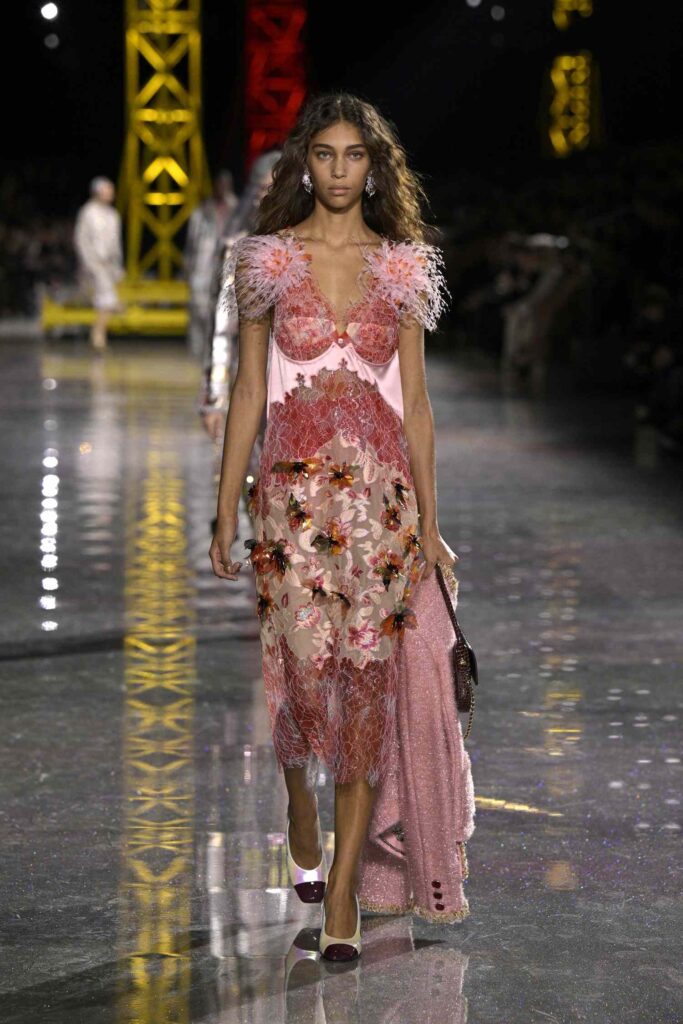
Criteria for assessing prestige and influence
To organize the cities according to their significance, I took into account:
- Prestige and influence – which shows set the trends, where the most important designers make their debut
- Search popularity – Google data from around 2020 shows: Paris about 24k/month, New York 21k, London 19k, Milan 12k, Seoul 5.4k.
- The scale of the event – number of shows, participating brands, duration in days
- Media reach – how many publications, photographers, and influencers a given city attracts
- Significance for trends – does what appears there on the runway actually make its way to the stores later
Where do the data come from and what are their limitations?
Sources include Wikipedia (definitions, history), industry reports, economic analyses of the fashion sector, popularity rankings from Google Trends, all up to 2026. Sounds specific, but each of them has its drawbacks. Seasonality shifts the balance of power (sometimes London shines brighter than usual), prestige remains subjective (who decides what is “more important”?), methodologies of different studies do not align, and search data may contain statistical errors.
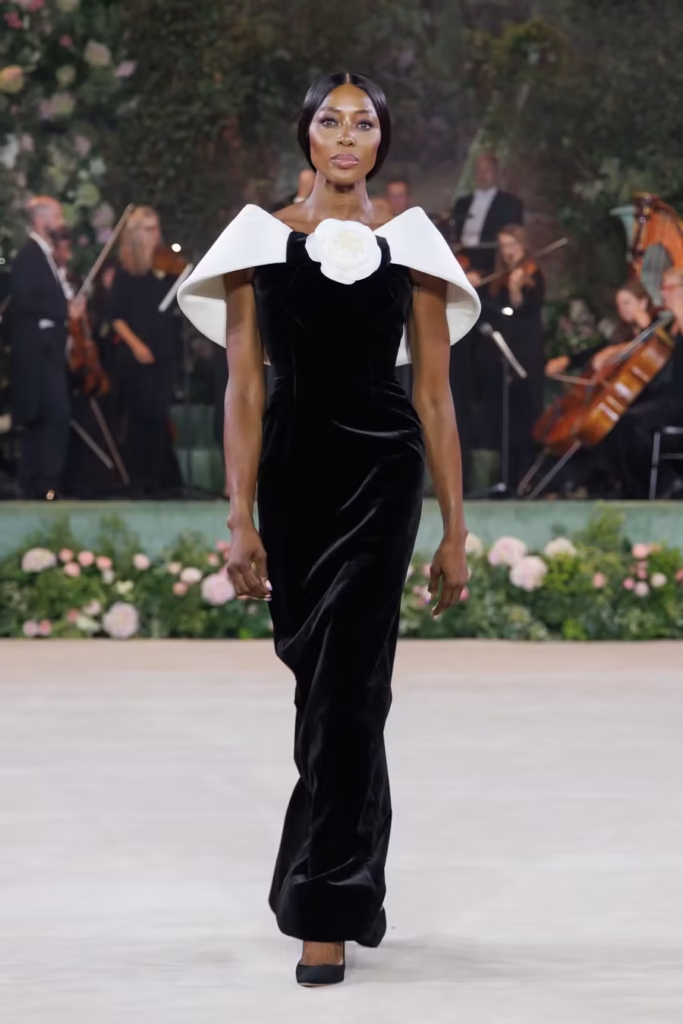
That’s why I put everything together, so that a single mistake wouldn’t distort the whole picture. It’s not an exact science, but it does allow us to see which cities really matter the most.
The Big Four
In the fashion world, there is an unwritten hierarchy that has shaped the calendar and prestige of the entire industry for decades. The “Big Four” are not just the four largest fashion weeks, but four different philosophies of showcasing clothes. Each city has its own identity, which is reflected on the runways.
Paris and New York
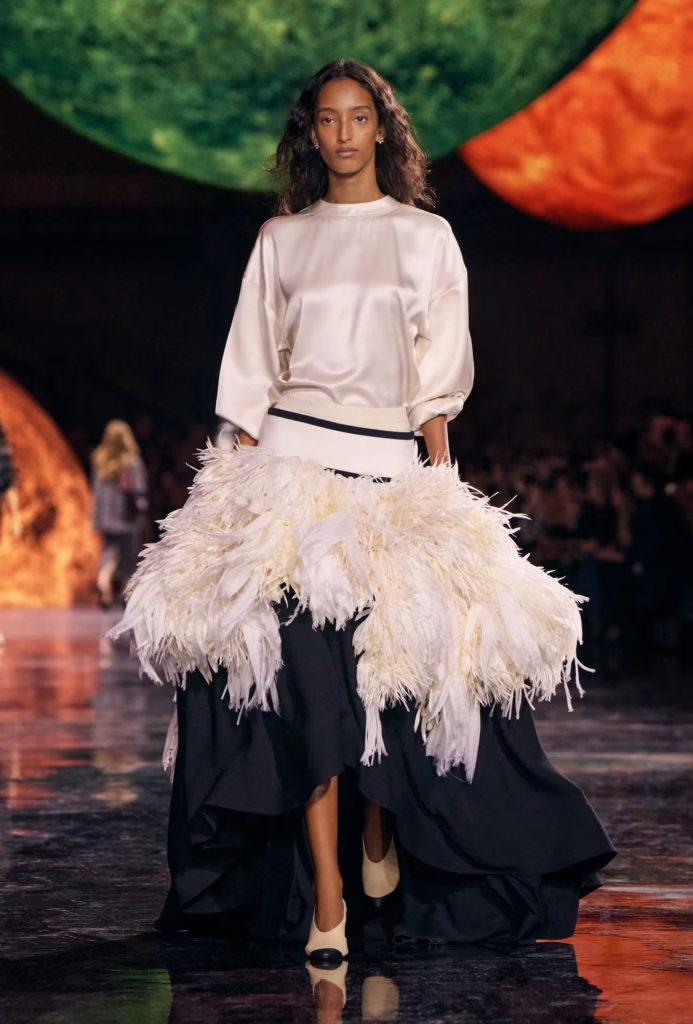
Paris still holds the lead. Paris Fashion Week is the pinnacle of the hierarchy, managed by the Fédération de la Haute Couture et de la Mode (FHCM). Here, artistry and the prestige of haute couture reign supreme, though prêt-à-porter shows attract just as much attention. Chanel and Dior set the standards the rest of the world looks up to.
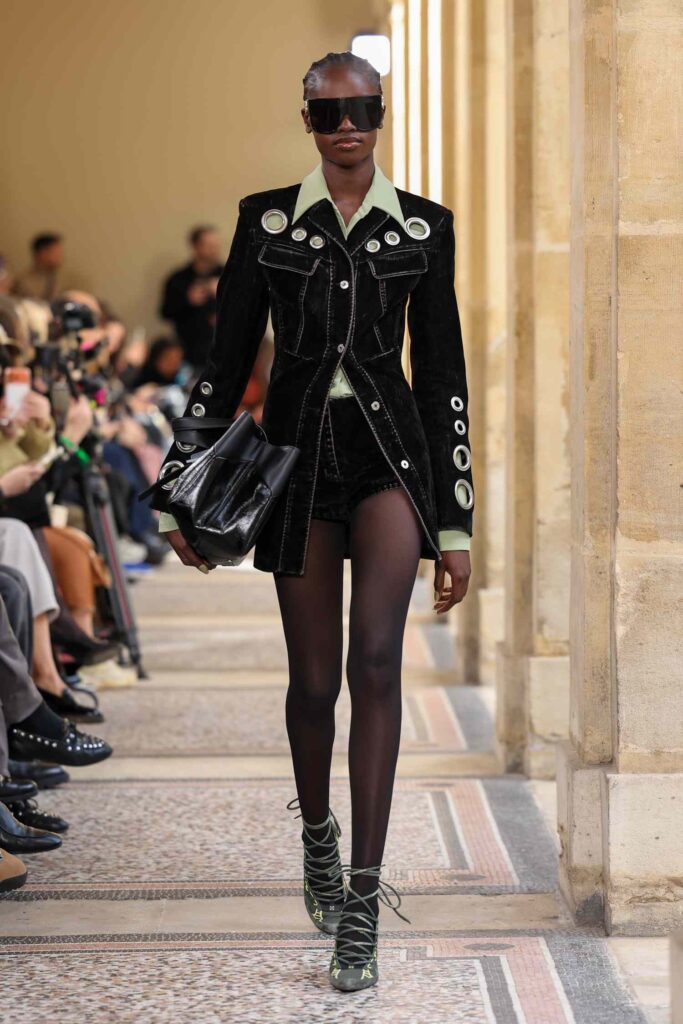
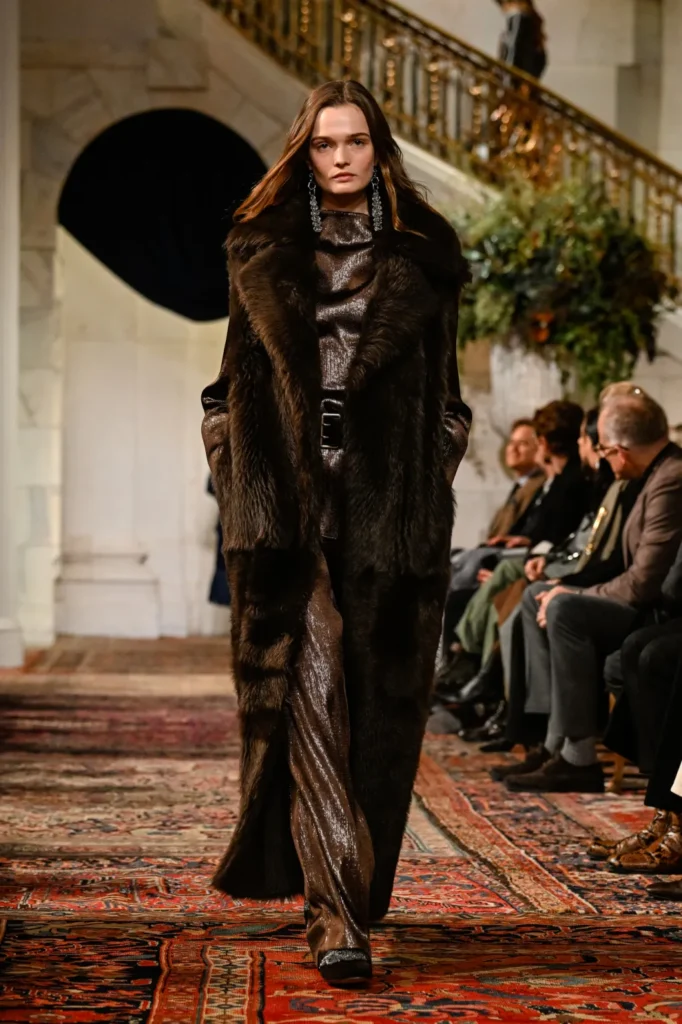
New York opens each season (February for fall/winter, September for spring/summer) and does it completely differently. CFDA and IMG organize New York Fashion Week as a commercial showcase of wearable fashion. Ralph Lauren and Michael Kors present clothes that people will actually buy in stores. Less theater, more business.
London and Milan
London Fashion Week, overseen by the British Fashion Council, is a space for young and often wild visions. Burberry balances between tradition and modernity, Alexander McQueen (even after the founder’s death) still shocks. This is where names debut that will be making headlines in a few years.
Milan completes the “big four” with luxury and craftsmanship. Camera Nazionale della Moda Italiana ensures tailoring and quality of execution. Prada and Versace embody the Italian vision of fashion: perfect cuts, luxurious materials, and zero compromise on detail.
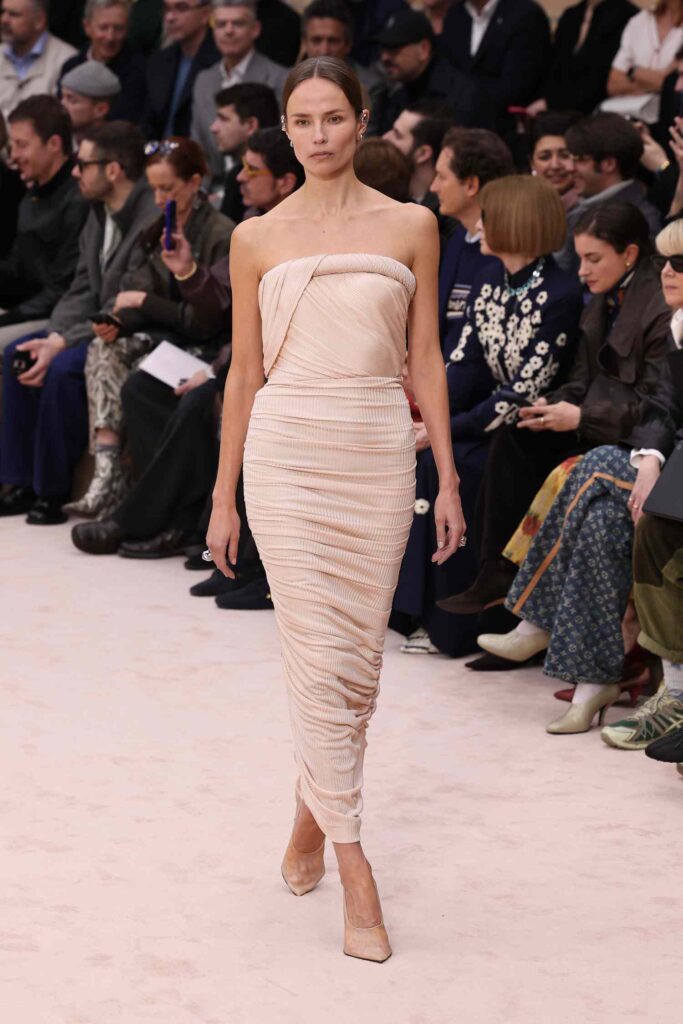
In Paris, there are also separate haute couture weeks (January and July), which further highlights its unique status.
This quartet still dominates, although new cities are knocking on the door more and more loudly.
Emerging capitals and new formats
The Big Four is tradition, but the real energy in the fashion world is shifting elsewhere. Focusing only on Paris or Milan today is a bit like listening to music only on the radio when the whole world is streaming. New centers aren’t just copying old patterns—they’re simply playing by different rules.
Seoul, Copenhagen, Tokyo
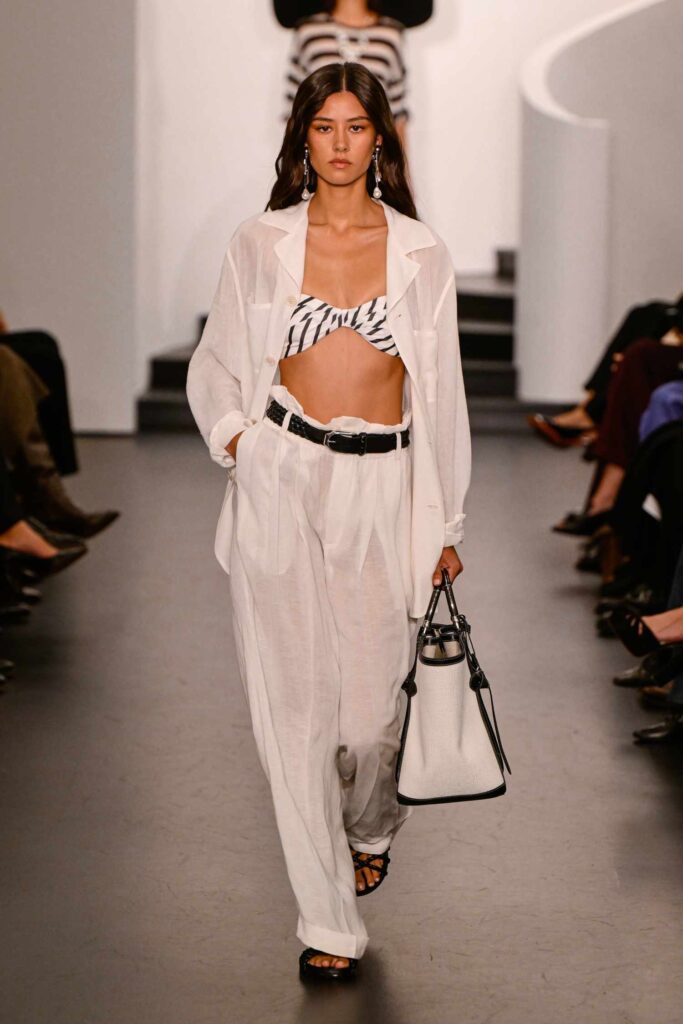
Seoul broke the industry’s fundamental dogma: it opened shows to everyone. No invitations, no snobbery. Anyone from the street can come in, see, and react instantly on social media. This shifts the dynamic from an exclusive presentation to a cultural event.
Copenhagen has become a benchmark for sustainability. Here, specific requirements apply: “at least 50% recycled materials,” “a complete ban on fur,” “recycling of set designs after the show.” These are not just declarations, but strict criteria for participation.
Tokyo combines high creativity with street culture in a way that Western fashion is still trying to understand. It’s a laboratory where the line between high fashion and streetwear simply doesn’t exist.
Berlin focuses on ecological experimentation and political commentary. Madrid is building the Iberian scene as an alternative to Italian-French dominance. Jakarta is developing modest fashion and showcasing the growing strength of the Asian market beyond China.
New formats
Physical shows are combined with digital streaming, because why not. Greater diversity of siluettes on the runway (finally), more sizes, more cultures. The ” see now, buy now ” model shortens the cycle from six months to weeks, because the consumer doesn’t want to wait half a year for a jacket seen online.
The system is becoming multipolar. Asia is gaining strength (Seoul, Shanghai, Bangkok), and Europe is no longer the sole decision-making center.
Economic and environmental impact
When we talk about fashion shows, it’s easy to forget that they’re a massive economic machine. The numbers are impressive, so it’s worth taking a look at how much money is really involved.
How much does it mean in money and media
The expenses of visitors attending shows in New York generate around $547 million annually, while the entire NYFW amounts to $887 million. Paris? Over 400 million euros directly, plus more than 1.2 billion from industry trade fairs. Some analyses raise this value to as much as $1.36 billion. London attracts around 269 million pounds.
The global fashion industry is worth around $2.5 trillion, so these weeks are just the tip of the iceberg. But it’s a very high-profile tip—Paris Fashion Week alone can generate about $1.1 billion in media impact value in just 48 hours. This shows why brands compete so fiercely for those runway minutes.
Carbon footprint and sustainability debates
On the other hand, we have emissions. The Big Four together release around 241,000 tons of CO₂ annually, with NYFW accounting for about 37% of that pie. Doesn’t sound good, does it?
The topic of greenwashing is heating up in the debate for 2025/2026. Copenhagen has already set the standards (which we mentioned earlier), but most cities are still navigating between promises and reality. Paris is feeling increasing regulatory pressure, and so is London. Diversity and inclusivity are no longer just add-ons; they have become systemic requirements. The question is: will the industry truly change, or will it simply learn to tell better stories?
Prestige meets responsibility
Today, prestige in the
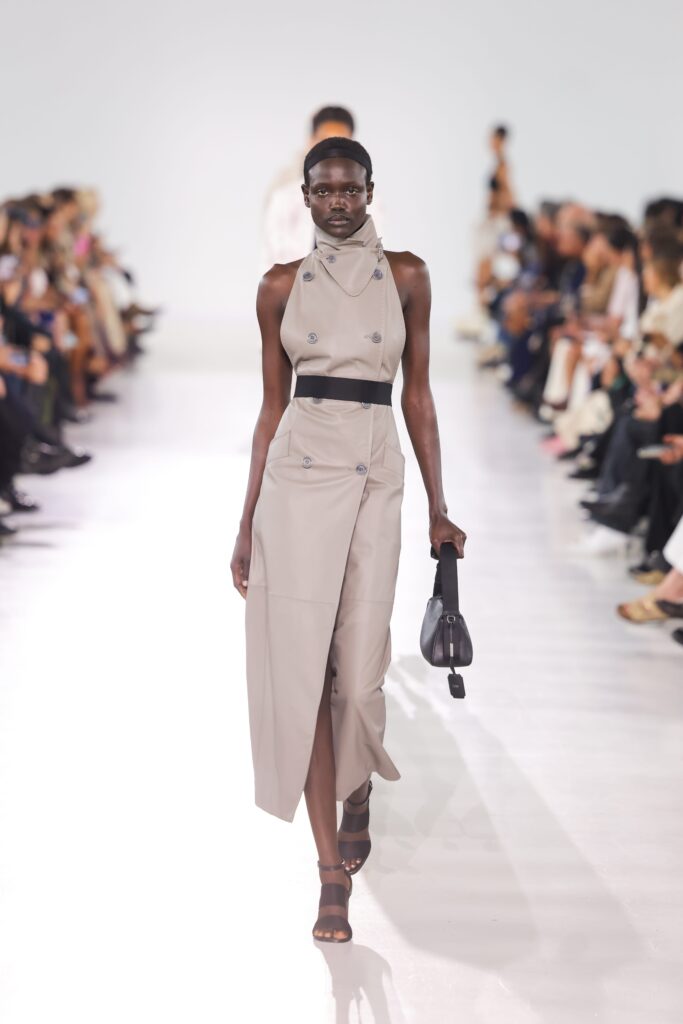
The very concept of exclusivity is also changing. Authenticity and consistency of values are becoming the new luxury, just as important as impeccable craftsmanship. Brands that understand this are building true authority today.
And that’s exactly why the ranking of global fashion shows is constantly shifting. After all, prestige is not just about tradition, but also the courage to move forward.
Stevv
lifestyle editorial team
High Class Fashion