
When bread goes up by 20%, everyone feels it in their wallet. When a Hermès bag rises by the same amount? The luxury client keeps buying it, sometimes precisely because it’s more expensive. This is not an ordinary market, and inflation works here according to different rules.
The global luxury goods market reached ~€1.44 trillion in 2025, with stabilization or a slight decline following the post-pandemic boom. At the same time, the luxury goods price index (CLEWI) rose by 5.5% compared to consumer inflation of 2.7%.
Luxury brands don’t just sell leather or metal. They sell emotions, a sense of belonging to an exclusive group, the promise of rarity. This changes the entire pricing game, especially when costs are rising everywhere.
Let’s take a closer look at:
- Who are these clients really, and why doesn’t inflation deter them?
- How brands build pricing power (and when they risk too much)
- What about supply and why scarcity can be a strategy
- What is the current state of the ultra-luxury segment
- What does all this look like through the lens of the Polish market
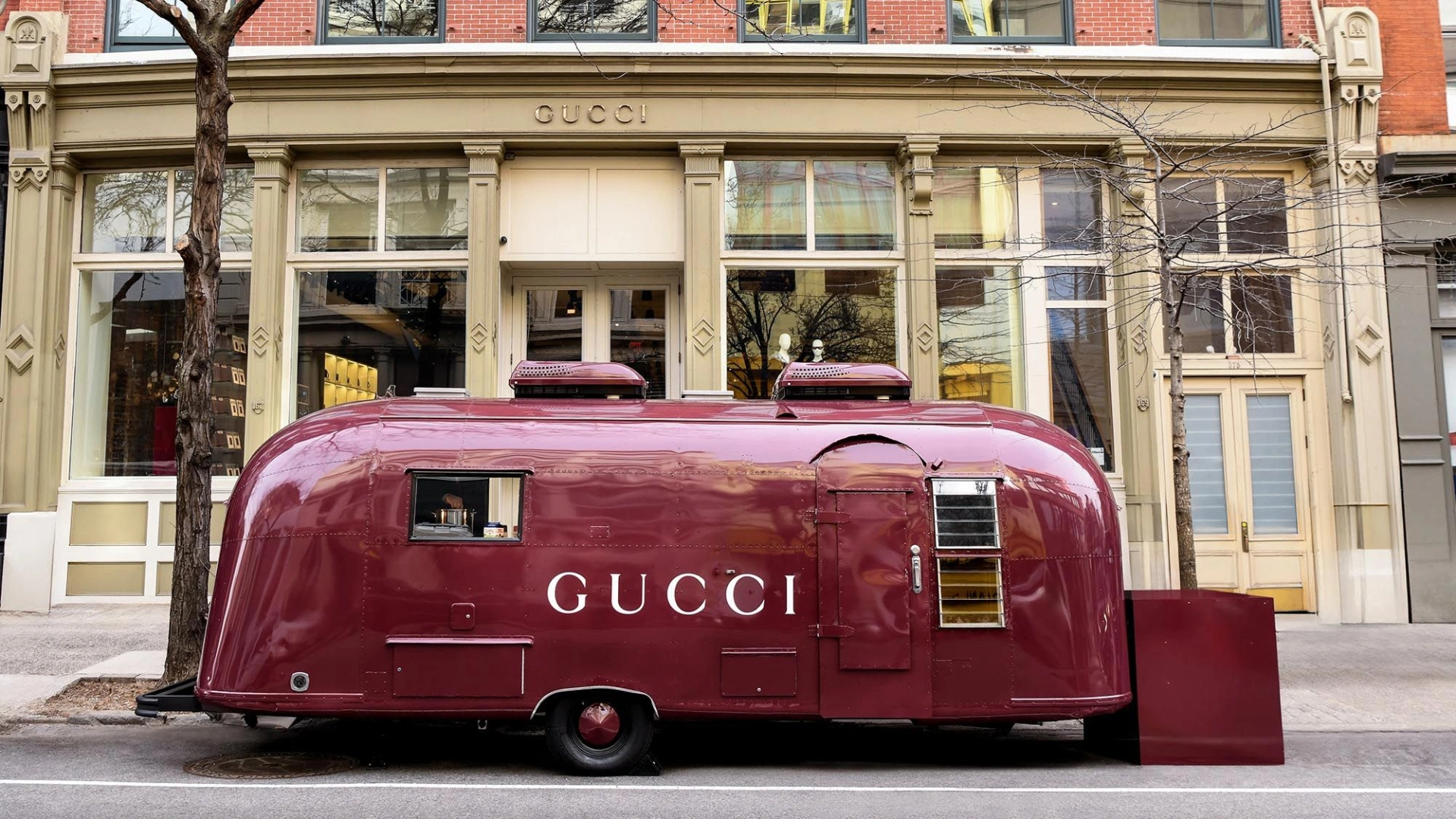
Let’s start with the basics: who actually buys luxury and why do their wallets seem bottomless?
Demand that knows no inflation
The luxury market has one fascinating feature: it is bought by people for whom inflation is more of a statistic in the newspapers than a wallet problem. Let’s see who really keeps this sector afloat.
Who really drives luxury sales?
The numbers speak for themselves:
- The top 20% of clients generate 50-70% of total sales in the premium segment
- VICs (very important clients, less than 2% of the client base) account for ~45-47% of revenues
- Ultra-wealthy individuals have diversified assets (real estate, stocks, bonds), so a more expensive Birkin or Rolex represents only a fraction of their portfolio
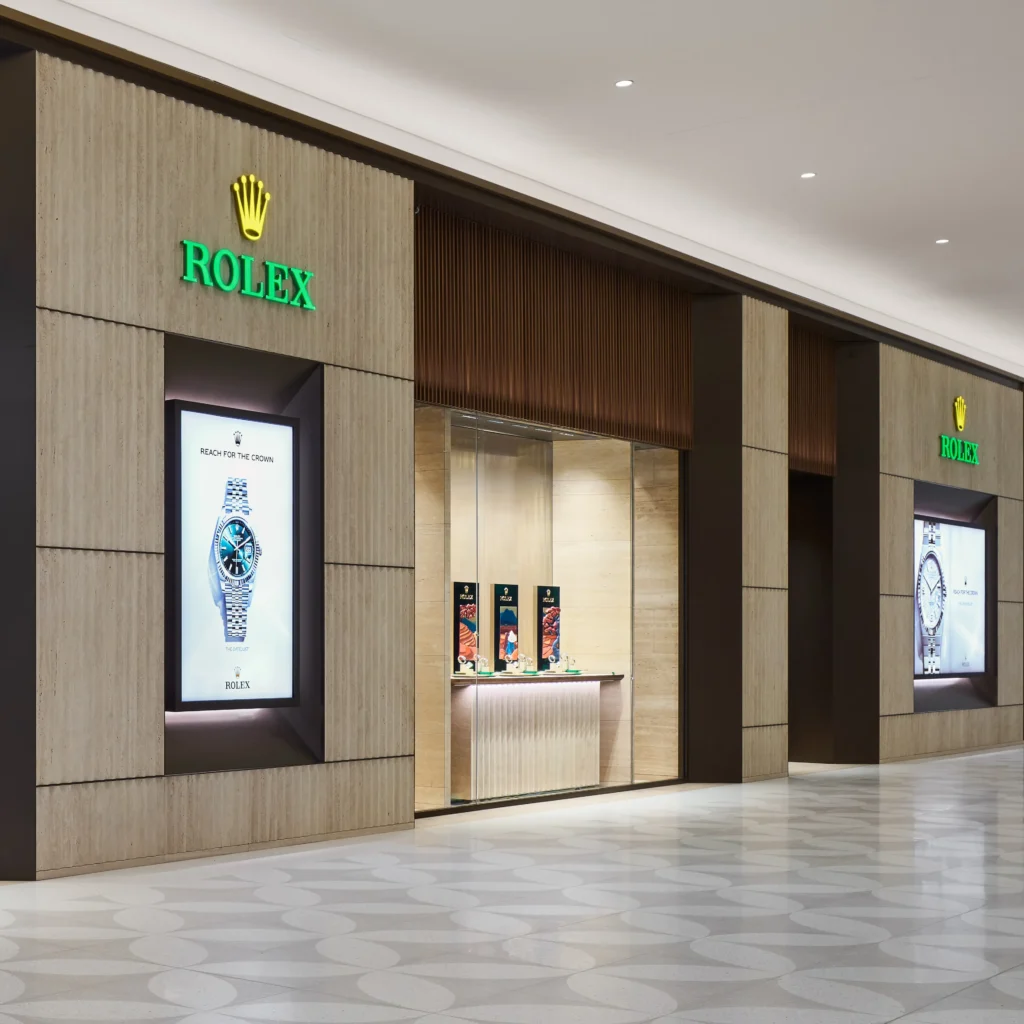
Aspirational clients, those from the “I save for half a year for a handbag” group, were the first to disappear. From 2022 to 2024, the market lost 50 million buyers, and in 2025, another ~20 million may drop out. The percentage of active buyers has fallen to 40-45% (it used to be ~60%). Who has this affected? Above all, those for whom inflation means a real budget cut.
The Veblen effect and status signaling
Here, psychology does its job.
Veblen effect: The more expensive the product, the more desirable it becomes, as a higher price signals rarity and belonging to the elite.
Ferrari raises its prices, demand keeps growing. Hermès won’t increase Birkin production, so every price hike strengthens the myth of exclusivity. Rolex restricts distribution, queues get longer. It’s not a bug, it’s a feature. For the ultra-wealthy, price is part of the product, because it confirms their status. Aspirational customers feel it differently (they have to give up), but losing them hurts margins the least. The market has shifted upward, to where inflation simply doesn’t bite.
Pricing power
Luxury brands do something that almost no other industry can afford: they raise prices faster than inflation rises and don’t lose customers in the process. This is what we call pricing power, and indeed, it’s the foundation of their economic advantage.
Price increases and inflation
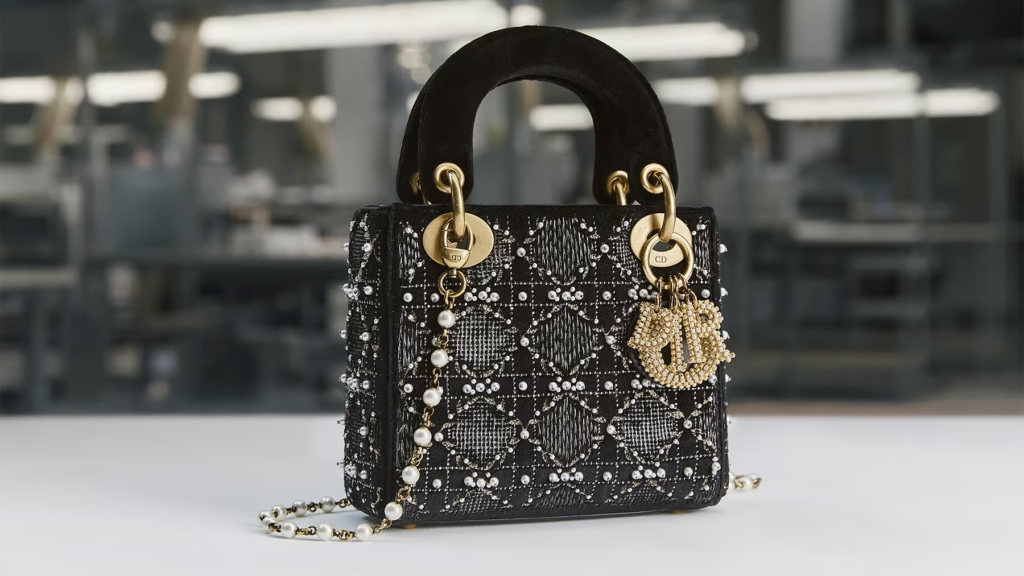
The numbers speak for themselves. Since 2019, the average prices of luxury bags, watches, and shoes have increased by 52-54%. A classic example? Lady Dior, which cost €3,900 in 2020, is now priced at €5,900. Hermès, to give a specific example, has been raising prices by about 7% per year or more, and the queues for Birkin bags have not diminished. Meanwhile, production costs have risen more slowly, since materials and labor make up only a fraction of the final price.
The CLEWI Index (China Luxury Goods Price Index) shows that in 2025 prices are rising by +5.5%, while the CPI (consumer inflation) barely exceeds +2.7%. Brands are outpacing the price surge, not just keeping up with it.
Margins and pricing
The result? Operating margins in the luxury sector remain at 15-24% EBIT, often higher than before the pandemic. This cushions the rise in logistics and energy costs while also supporting profits. The stock market appreciates this: over the past five years, the portfolios of top luxury brands have grown by about +90%, while the broader market recorded only +23%.
Such price increases work because demand does not collapse. In fact, they actually strengthen it, as a higher price is an additional signal of exclusivity. But pricing power is not everything. You also need to control how much of this luxury actually reaches the market.
Scarcity as a strategy
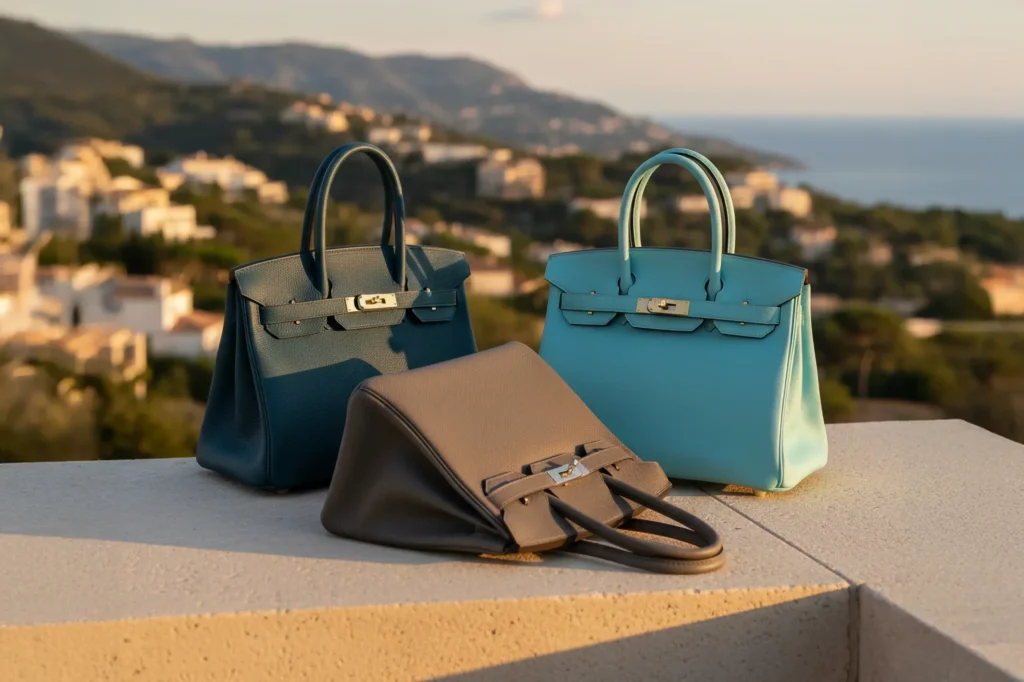
Hermès produces Birkins in such small quantities that demand always exceeds supply. This is no accident—it’s a strategy. Limited availability makes the handbag more desirable, and its value increases rather than decreases. Other brands do the same: Rolex controls the distribution of its watches, Ferrari limits the number of units for each model. Result? Customers wait for months, sometimes years, which only strengthens the brand’s prestige.
Equally important is controlling sales channels. Luxury brands avoid outlets like the plague, as discounts dilute value. Instead, they prefer to:
- Sell exclusively in own boutiques or selected multibrand stores
- Restrict access to seasonal products
- Remove surpluses from circulation instead of selling them off
- Control who can buy (e.g., VIP lists)
Pre-owned and residual value
The secondary market (pre-owned, meaning used luxury goods) already accounts for about 10% of the total luxury market value. And it’s growing faster than the new products segment. Why? Because some items retain or even increase in value over time. Patek Philippe can double in price within a decade. A Ferrari from the 80s is more expensive now than it was when new.
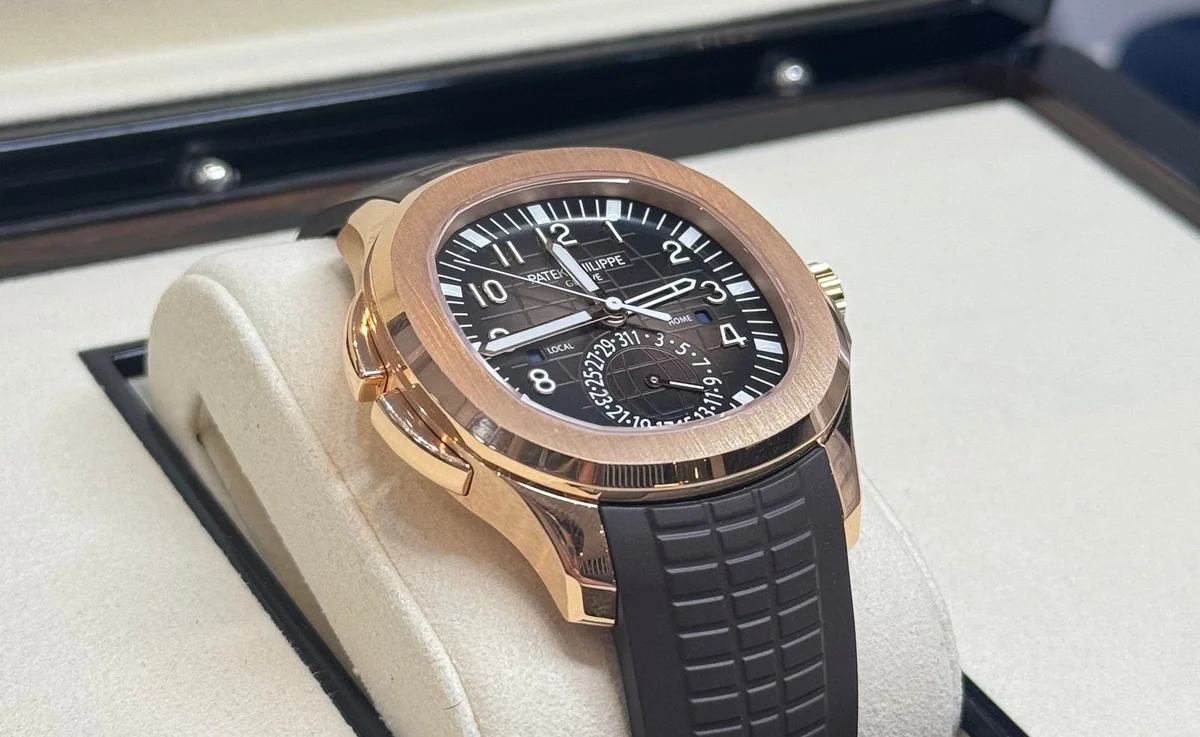
This makes luxury function as an investment asset, a kind of hedge against inflation. The client buys a handbag, a watch, or a car not only for pleasure, but also as a way to invest capital. The residual value becomes part of the purchasing calculation.
Correction after the boom and “luxury fatigue”
Personal luxury goods shrank by about 1-2% in 2024-2025. This is the first such correction in years. Since 2022, the segment has lost between 50 and 70 million customers, and the share of active buyers has dropped to 40-45%, whereas previously it was closer to 60%. Some analysts openly speak of “luxury fatigue,” a weariness with excessive availability and aggressive price hikes. Instead of further price increases, brands are now focusing on emotions, creativity, and quality. In the first half of 2025, leather handbags became on average ~1.2% more expensive, a completely different pace compared to the 7-12% annual increases we saw a decade ago.
Where does luxury hold on tighter?
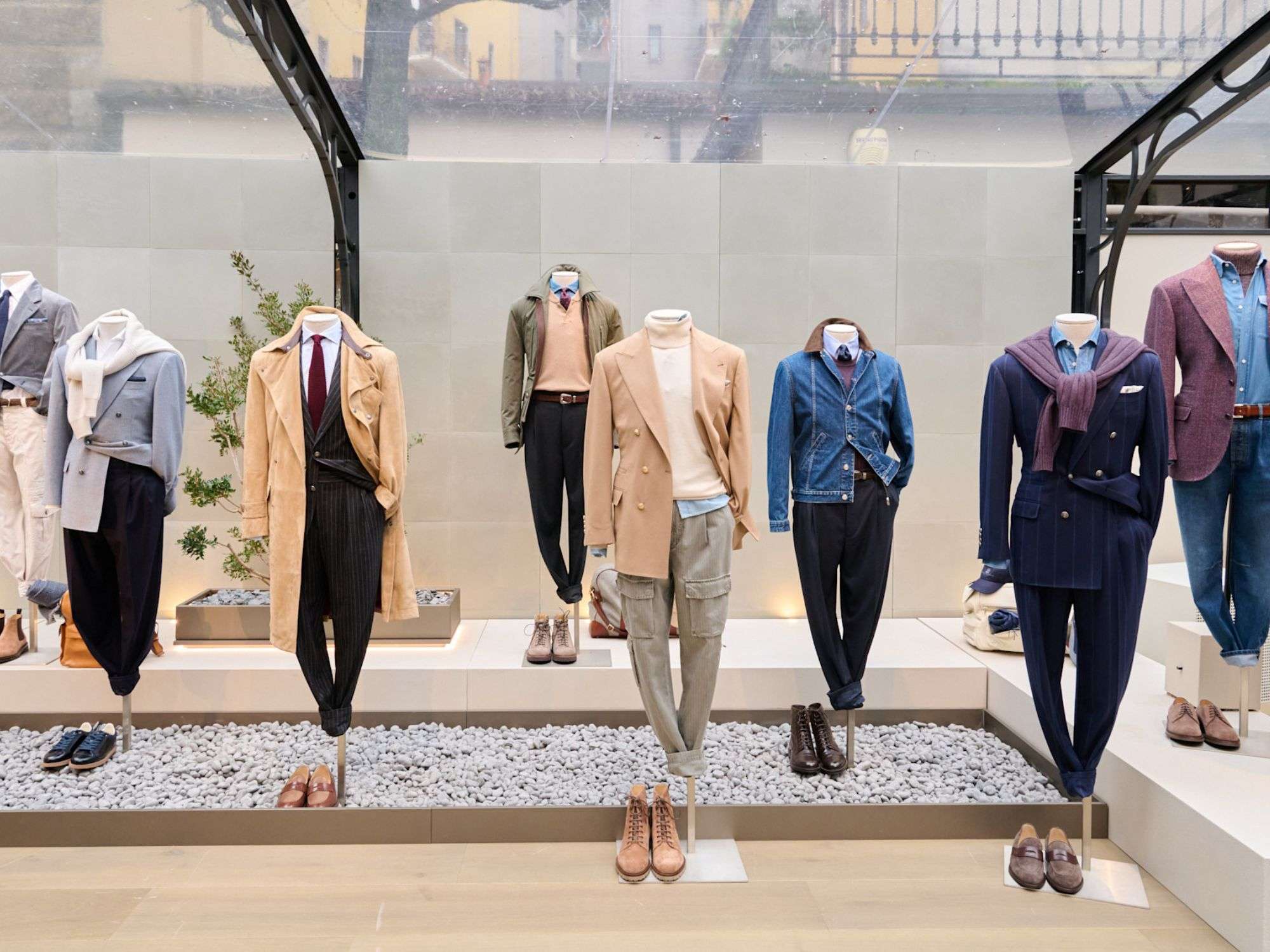
Hermès, Richemont (jewelry and watches), Ferrari, Brunello Cucinelli—these are names that continue to grow. Hard luxury, meaning jewelry and watches, often outperforms soft. The geography has also shifted: the USA and the Middle East are doing better than Europe or Asia, as geopolitics affect tourism and local sales. At the same time, the vintage and pre-owned market has grown by around 10%, while AI and personalization are gaining importance.
Poland
Poland is a “green island” in the region. The data looks like this:
- Premium market value: PLN 55.6 billion (2024, increase +24.6% y/y).
- Forecasts: +7.7% in 2025, +6.4% in 2026.
- Premium and luxury cars: about 65% of the Polish automotive market, +34.8% year-on-year.
- Warsaw is among the top Bentley dealers in Europe.
The Polish consumer is taking luxury increasingly seriously, as if making up for lost time. The segment is also supported by stable economic conditions and the growing affluence of the upper-middle class. All this means that local players are investing more heavily, while international brands are looking at Poland with greater interest.
Luxury in times of high prices
High prices are transforming the luxury market in ways that cannot be predicted by simple economic models. When prices rise, luxury goods gain value not in spite of this, but precisely because of it. This is a paradox rooted in human psychology: rarity creates desire, and desire gives rise to prestige. In times of uncertainty, people seek stability—something that affirms their status and gives them a sense of control.
Luxury acts as a social barometer. It shows who is coping with the crisis, who still has resources, who belongs to the elite. And that is precisely why inflation, instead of weakening the premium sector, often strengthens it. The line between those who can afford exclusivity and the rest of society becomes more distinct.
It may sound cynical, but that’s exactly how the mechanism of prestige works. It has always worked this way and will probably continue to do so.
Herri ^^77
lifestyle & business editorial team
High Class Fashion