
100% of production in Italy, over 80% of work done by hand. Sounds impossible? Brunello Cucinelli proves it can be done. While a typical fast fashion brand releases a new collection every two weeks, the Italian company focuses on something entirely different: human dignity and the beauty of craftsmanship. It’s not just about cashmere sweaters (though those are phenomenal). It’s about a philosophy that sounds almost heretical in today’s fashion world.
Cucinelli speaks of “ethical profit” and “gracious growth,” meaning growth that respects people and the environment. His employees earn 20% above the national average, have lunch breaks in a cafeteria with real meals, and the factory in Solomeo looks more like a university campus than a production hall.
Later in the article, I will show you:
- how exactly does this production model work
- what environmental goals the company is actually pursuing
- where are the points of contention (because it’s not perfect)
Solomeo is a small town in Umbria that Cucinelli rebuilt and turned into the center of his vision. This is where everything begins, and here you can see that things can be done differently.
The “humanistic” production model in practice
What does this mean in practice? Cucinelli produces exclusively in Italy, through a network of around 400 specialized workshops scattered across Umbria, Tuscany, Marche, and Veneto. No factories in Asia, no outsourcing to the lowest bidder. About 60% of the work is still done by hand, which sounds crazy in an industry focused on efficiency.
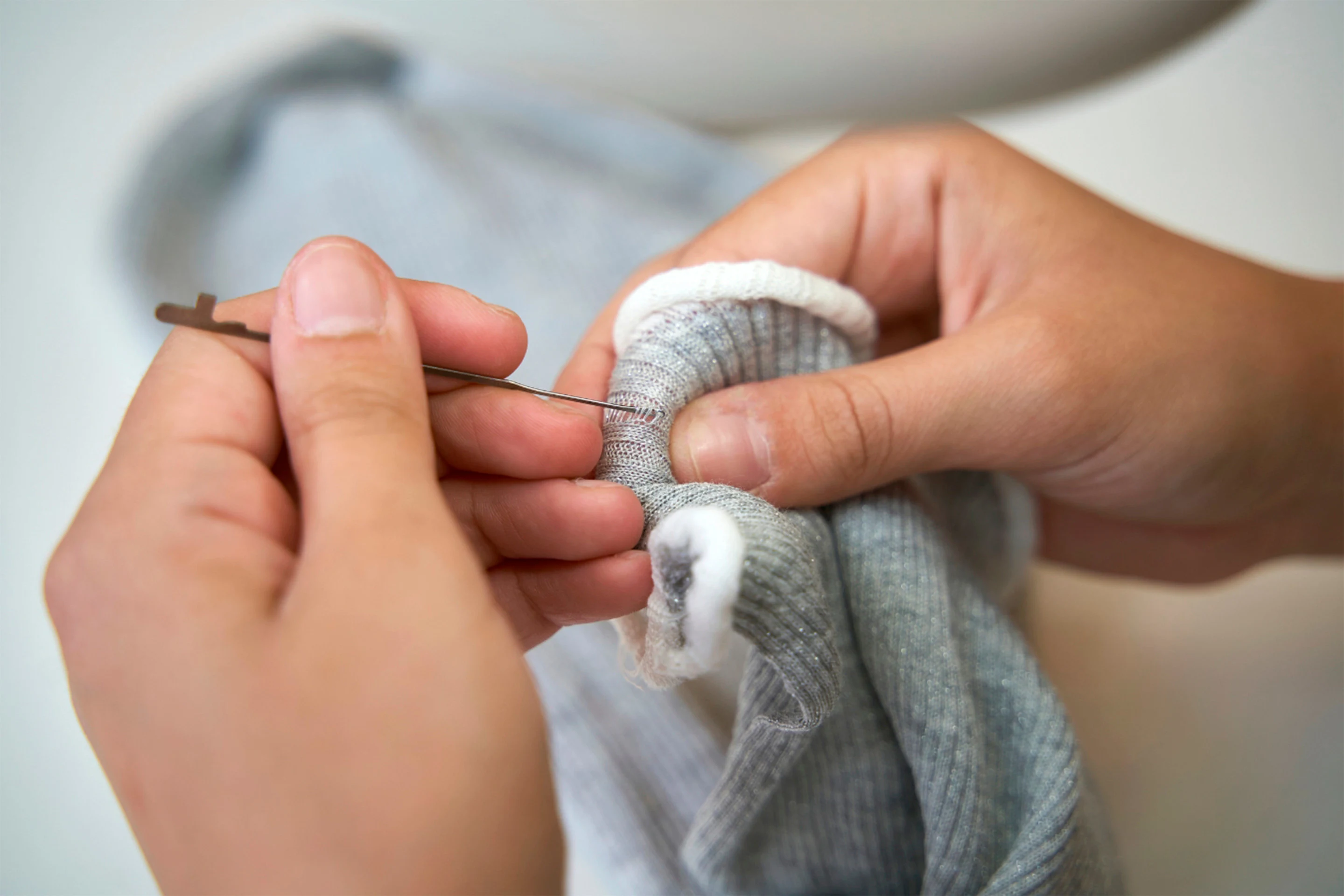
They focus on natural fibers, repairability, and what they themselves call ” manufatti senza tempo ” – timeless objects. You can wear a sweater for 10 years, repair it, and pass it on. This is not a seasonal purchase, but an investment.
Suppliers are not just a number in their system. Long-term partnership, fair “right price/profit” instead of driving prices down to zero, support for decent conditions. Trust is built over years, not quarters.
A work culture that builds quality
There are no clocks in the factories. Employees arrive around 8:30, leave around 17:30, and have 1.5 hours for lunch. No emails after working hours. Wages are above the national average, especially for manual workers.
Sounds like a utopia? Maybe. But it’s precisely this kind of work culture that keeps artisans, builds skills, and translates into a quality that machines can’t replicate. Hands that have known the material for 20 years make all the difference.
Environmental goals, projects, and points of contention
It’s good that the brand boasts about its cashmere and ethical approach, but what about concrete numbers? This is where it gets more interesting, because Brunello Cucinelli actually publishes clear climate goals and policies, although, well, not everyone is impressed by them.
SBTi targets and policies in numbers
The company has committed to the goals of the Science Based Targets Initiative (SBTi) with a baseline year of 2019 and a target year of 2028. Specifically, this involves a reduction of Scope 1-2 emissions (own operations) by as much as 70% in absolute terms, Scope 3 (supply chain) by 22.5%, and emission intensity relative to economic value is to decrease by 60%. It sounds impressive, except that the latter indicator (intensity) can be achieved simply by increasing revenues, not just by cutting emissions.
| Goal/Policy | Key number/date |
|---|---|
| Scope 1-2 Reduction | −70% (absolutely, 2019-2028) |
| Scope 3 Reduction | −22.5% (2019-2028) |
| Emission intensity | −60% (economically) |
| Ethical Code | Update 07.2025 |
The “In Harmony with Creation” policy combines 6 dimensions: environmental, socio-economic, technological, cultural, spiritual, and moral. Quite holistic, although it’s hard to assess how this works in practice.
Regeneration and transparency
Since 2021, the company has supported the SMI Fashion Task Force, and since 2022, it has run the Himalayan Regenerative Fashion Living Lab in Ladakh. The project aims to help Changpa herders regenerate pastures and produce cashmere at the source. A nice story, with concrete examples.
The contentious points are:
- Low transparency rating: 1-10% in 2021 (no details about lower-tier suppliers)
- No hard evidence of a “living wage” throughout the entire supply chain
- Allegations by a short seller (2025) of ties to sanctioned entities – the company denies them, claiming it complies with regulations
Not everything shines equally, even if the intentions seem sincere.
When beauty meets responsibility
Cucinelli shows that true luxury is not just about the beauty of the material or the perfection of the finish. Above all, it is about responsibility for the people who create these things, and the awareness that something made with respect will last for years. In a world where fashion has turned into a race for the next collection, such a philosophy sounds almost revolutionary.
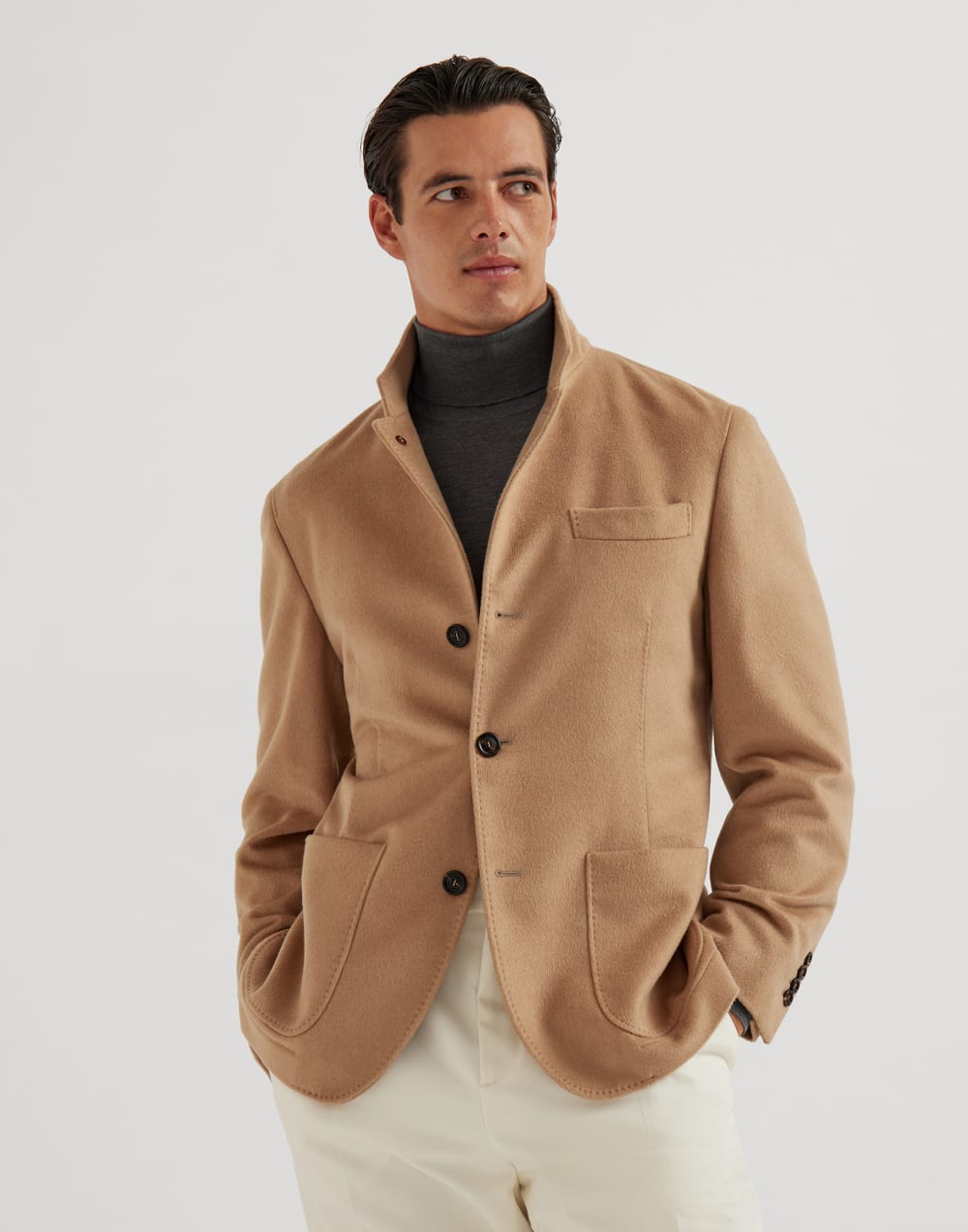
Maybe that’s why his clothes never go out of style. They don’t chase trends, because they’re created based on something more lasting. Beauty that respects people and time simply makes sense.
Hi77