
Do you remember that scene from “Sex and the City” when Carrie falls to the ground during a mugging? Frightened, she shouts at the robber:
“It’s not a bag, it’s a Baguette!”
And it was precisely this moment, somewhere between 1999 and 2000, that cemented the status of the small Fendi bag as the first true “It bag” of the modern era. Sarah Jessica Parker literally defined on screen what was already happening in boutiques: the compact rectangle with the iconic FF logo flap and short strap changed the way women carried handbags. No more huge bags from the ’90s—welcome to close-to-the-body, small, and highly distinctive styles.
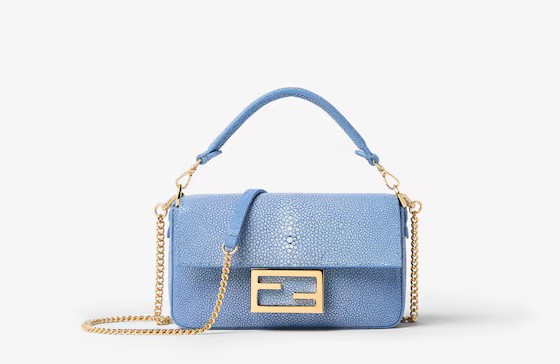
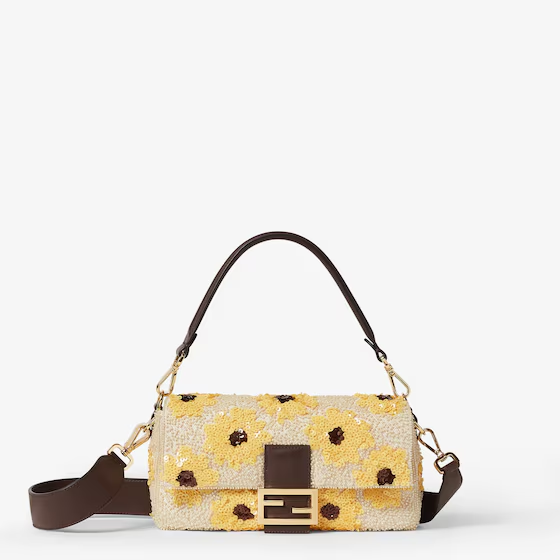
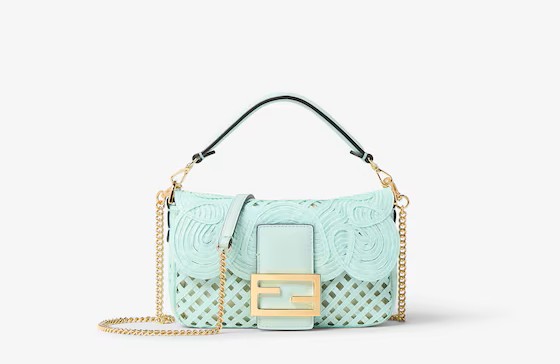
The scale of the phenomenon? In the first year, over 100,000 pieces were sold. Fendi released more than a thousand color and material variations. And now, in 2026, the topic is still alive, as the Baguette returns in re-editions, vintage models reach staggering prices, and younger collectors are rediscovering the icon anew.
Fendi and the iconic Baguette bag — a sales phenomenon
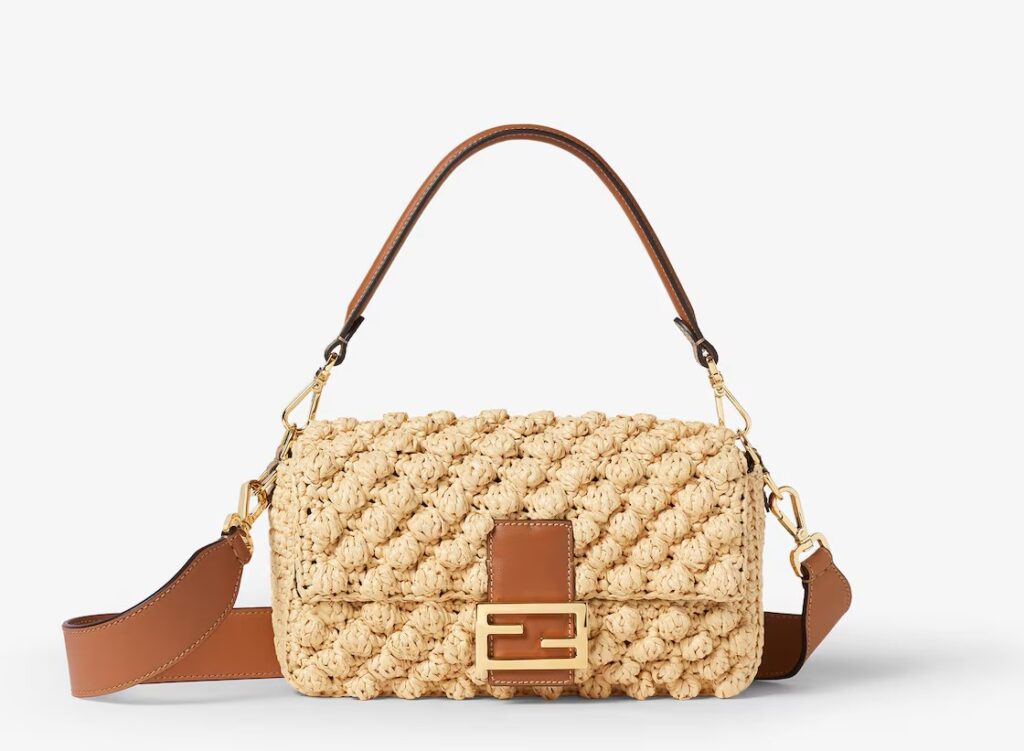
Later in the article, you’ll find a detailed history (with dates and names), key features, sizes and price ranges, as well as whether it’s worth considering the Baguette as an investment. In short, everything you need to make an informed decision. From Rome to pop culture. The history and evolution of the Baguette Milestones 1997–2026
Alright, so to understand the scale of this phenomenon, we need to go through the key dates. In 1997, Silvia Venturini Fendi created the Baguette under the guidance of Karl Lagerfeld, and she herself called the project “a manifesto of identity and individuality: always the same, but always different.” In the very first year, over 100,000 pieces were sold, which at the time was something unbelievable.
Ah Jessica!
Then things sped up. Between 1999 and 2001, LVMH acquired further shares of Fendi (gaining full control in 2001), and it was the success of the Baguette that convinced them it was worth it. At the same time, “Sex and the City” with Sarah Jessica Parker cemented the bag in mass consciousness, so everything fell into place.
Fast forward to 2012: Fendi celebrates its 15th anniversary at Parisian Colette, showcasing over 1,000 bag creations. In 2019, we see a renaissance, re-editions, and a dramatic increase in online searches.
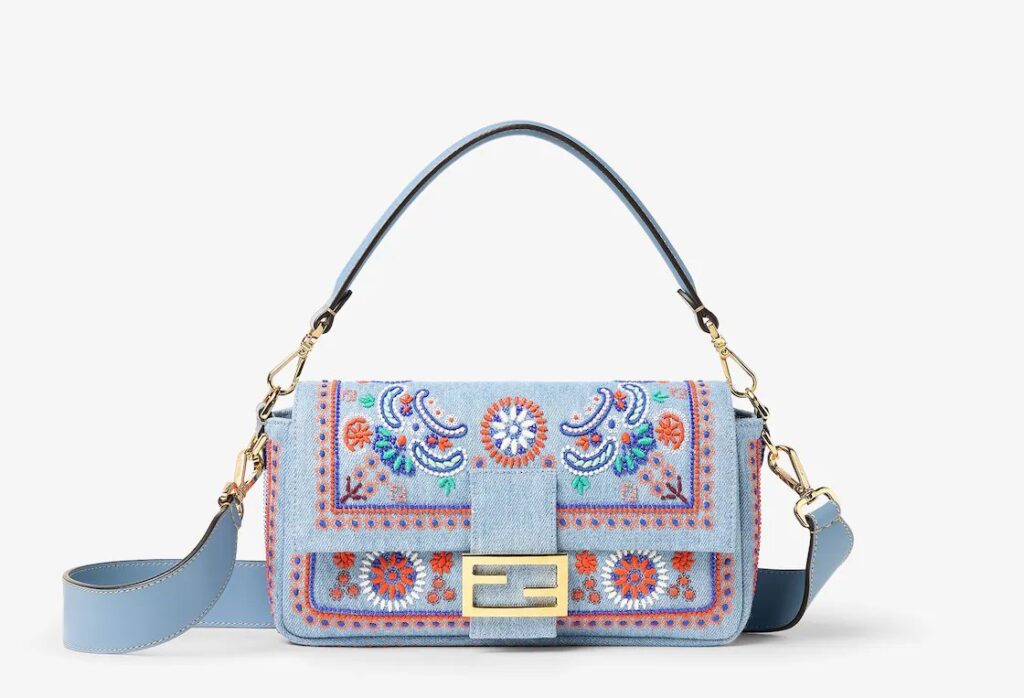
2022 marks the 25th anniversary: a show in New York, a capsule with Marc Jacobs, SJP once again. And now, in 2026 and 2027, Maria Grazia Chiuri introduces “Baguette 26424” with the slogan “Less I, more us”, plus a collaboration with Tarout (on the occasion of Fendi’s centenary). A new generation of ambassadors, new interpretations. It’s clear that this bag simply never gets boring. Design, sizes, and materials. The essence of the Baguette in practice The rectangular shape only appears simple. In reality, the Baguette is an entire philosophy of wearing, where every centimeter matters. The softly structured form, the signature FF logo flap, and the short strap that sits close to the body make the bag look elegant both on the shoulder and crossbody. You can also carry it by hand by removing the strap completely.
Secondary market and value retention
This is where things start to get interesting. According to Rebag data, the average Fendi retention is around 57% of the retail price, which puts the brand in a safe zone. But select Baguette bags, especially rare editions or archival gems, can reach as much as 113% of their original price. It’s not Hermès Birkin, of course, but as a safe bet in the world of luxury bags, the Baguette holds its own quite well.
Where to buy and how to verify authenticity?
Official purchase? Fendi.com, brand boutiques, and authorized retailers. Looking for vintage? Premium platforms like Vestiaire Collectiv e are your go-to, where you’ll find archival models. A few quick authenticity checks:
• The FF logo and hardware should be absolutely consistent and precisely crafted
• Selleria (if the model has them) is a mark of quality, do not underestimate them
• The authenticity card and the bag’s certificate are standard; their absence is a red flag
Even if you buy second-hand, these details say it all. Baguette forever — a taste of style and strategy The story of the Baguette is not just about a bag, but a guide to modern fashion. Fendi showed that a product can become more than just an object, that it can build identity and evoke emotions. This small handbag taught the industry how to turn design into desire, and desire into a cultural phenomenon.
Twenty-five years later, we see the effects of this lesson everywhere. Every brand tries to create its own Baguette, something recognizable, desirable, almost alive. But the original remains the original, that point of reference that changed the rules of the game.
Sinna 77
High Class Fashion editorial team